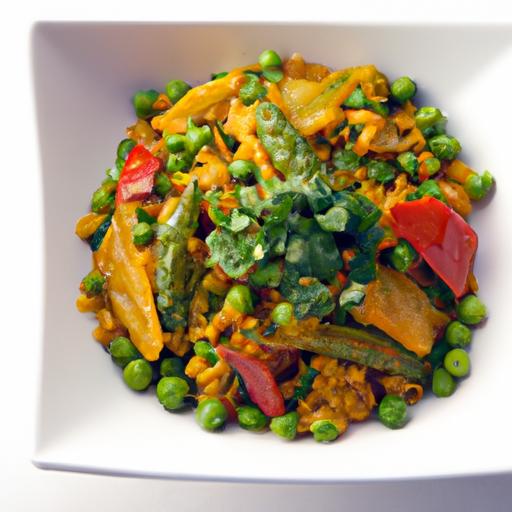
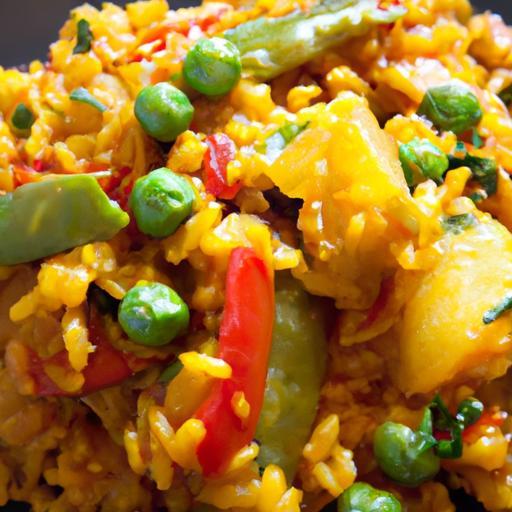
When the sun graces our days with its warm, golden glow, it invites us to enjoy vibrant, colorful meals that celebrate the bounty of the season. Enter vegetable paella-a dazzling dish that transforms humble garden vegetables and aromatic saffron-infused rice into a symphony of flavors and hues. more than just a meal, this vibrant vegetable paella captures the essence of sun-soaked afternoons, weaving tradition and creativity into every fragrant bite. In this article, we’ll explore how to craft this radiant dish, blending the earthy richness of fresh produce with the timeless allure of saffron, turning your kitchen into a Mediterranean escape where sunshine and flavor unite.
Savor the Sunshine: Crafting Vibrant vegetable Paella with Saffron Rice
Savor the Sunshine by indulging in a gorgeous medley of freshly sourced vegetables paired with the golden allure of saffron-infused rice-a soulful party of Spanish tradition that bursts with color and flavor. This vegetable paella recipe embraces the essence of Mediterranean sunshine, inviting you to craft a dish that’s as nourishing as it is visually stunning. As a longtime lover of vibrant vegetables and aromatic spices,I’ve uncovered secrets to elevate each component-from selecting peak-season produce to coaxing out the signature saffron hues for an unforgettable meal.
Prep and Cook Time
- Readiness: 20 minutes
- Cooking: 45 minutes
- Total Time: 1 hour 5 minutes
Yield
Serves 4 generous portions
Difficulty Level
Medium - approachable for confident home cooks looking to explore paella-making techniques
Ingredients
- 1 ½ cups bomba or Arborio rice – key for perfect absorbency
- 1 generous pinch saffron threads, steeped in 3 tablespoons warm water
- 4 cups vegetable broth, preferably homemade or low-sodium
- 3 tablespoons olive oil
- 1 medium yellow onion, finely chopped
- 4 cloves garlic, minced
- 1 red bell pepper, sliced into thin strips
- 1 yellow bell pepper, sliced into thin strips
- 1 medium zucchini, diced
- 1 cup green beans, trimmed and cut diagonally
- 1 cup artichoke hearts, quartered (canned or fresh)
- 1 cup cherry tomatoes, halved
- 1 teaspoon smoked paprika
- Salt and freshly ground black pepper to taste
- Fresh parsley, chopped for garnish
- lemon wedges, for serving
Instructions
- Prepare the saffron infusion. Place saffron threads in a small bowl with warm water. Let steep for at least 15 minutes to release its signature aroma and vibrant color.
- Sauté your aromatics. Heat the olive oil in a wide paella pan or large,shallow skillet over medium heat. Add onion and garlic, sautéing until translucent and fragrant, about 5 minutes.
- Cook the peppers and green beans. Stir in the red and yellow bell peppers along with green beans. Cook for 6-7 minutes, allowing them to soften but retain a slight crunch.
- Add zucchini, artichokes, and tomatoes. Mix in the zucchini, artichoke hearts, and cherry tomatoes. Cook for another 5 minutes, stirring gently to combine flavors.
- Toast the rice. Push the vegetables to the side of the pan and add the rice directly into the center. Stir gently to coat grains in oil, toasting them lightly for 2-3 minutes without color.
- Season and add liquids. Sprinkle smoked paprika, salt, and pepper over the rice and vegetables, then pour in the vegetable broth and saffron infusion. Stir once to combine evenly.
- Simmer without stirring. Increase heat to medium-high until liquid boils, then reduce to a simmer. Cook uncovered for 20 minutes without stirring,allowing a crust-the “socarrat”-to form on the bottom.
- Rest and garnish. Remove pan from heat, cover loosely with a kitchen towel, and let rest for 5-10 minutes. Garnish with fresh parsley and arrange lemon wedges around the paella.
- Serve with joy. Present the colorful paella directly in the pan for a rustic, inviting experience.
Tips for Success: Balancing Aromatics and Spices to Elevate Your vegetable Medley
- Choose seasonal vegetables for peak freshness and flavor. bright reds, vibrant greens, and sunny yellows not only elevate taste but create irresistible visual contrast.
- Fresh saffron is worth the investment. Opt for pure saffron threads rather than powders or blends. Steep them gently to avoid bitterness and extract that signature golden hue.
- Resist stirring the rice once broth is added. This technique ensures the crusty socarrat forms-a hallmark of authentic paella that adds delightful texture.
- Smoked paprika adds depth. A pinch of this earthy spice seamlessly connects the vegetables and rice, reinforcing the dish’s aromatic profile without overpowering delicate flavors.
- Use a wide, shallow pan. This maximizes surface area for even cooking and beautifully caramelized vegetables.
Serving Suggestions: Presentation Tips to Make Your Vibrant Paella Shine on the Table
For an eye-catching centerpiece, serve your vegetable paella right from the customary pan-its rustic charm invites communal dining and warm conversation. Garnish liberally with freshly chopped parsley for a pop of verdant green, and strategically place lemon wedges to add bursts of brightness at the table. Consider a drizzle of high-quality extra virgin olive oil over the top to impart a silky shine and luxurious finish. Pair with a simple green salad for a fresh counterbalance, and rustic crusty bread to soak up every flavor-packed morsel. Capture the golden tones of saffron and vivid colors of fresh vegetables by plating under natural daylight or warm kitchen lighting for a picture-perfect meal.
| Nutrient | Per Serving |
|---|---|
| calories | 350 kcal |
| Protein | 8 g |
| Carbohydrates | 65 g |
| Fat | 6 g |

Discover more about the elegance of Mediterranean spices in this extensive spice guide. for deep insights into saffron cultivation and usage, visit Saffron.com.
Q&A
Q&A: Savor the Sunshine: Crafting Vibrant Vegetable Paella with Saffron Rice
Q1: What makes vegetable paella with saffron rice stand out from other rice dishes?
A1: Vegetable paella with saffron rice is a radiant celebration of color, flavor, and texture. Unlike basic rice dishes, paella is a symphony of vibrant vegetables, aromatic spices, and that golden hue from saffron threads, which infuse the rice with a subtle, earthy floral complexity. The socarrat-the cherished crispy layer at the bottom-adds a delightful crunch that elevates the dish from simple to spectacular.
Q2: How does saffron influence the flavor and appearance of the paella?
A2: Saffron is the soul of traditional paella, imparting a warm, slightly sweet aroma and a delicate bitterness that perfectly balances the vegetables’ natural sweetness.Its brilliant yellow-orange pigment transforms the rice into a sunset-in-a-pan, inviting the eyes to feast even before the frist bite.Just a pinch is enough to turn humble grains into something magical.
Q3: Which vegetables work best for creating a vibrant, balanced vegetable paella?
A3: The beauty of vegetable paella lies in its versatility, but the best results come from a colorful medley. bell peppers (red, yellow, green), artichoke hearts, green beans, peas, cherry tomatoes, and tender zucchini all add layers of texture and sweetness. Each vegetable adds its personality-some crisp, some buttery-resulting in a harmonious, garden-fresh embodiment of sunshine on a plate.
Q4: Can the paella pan be substituted, and does the pan affect cooking?
A4: While a traditional wide, shallow paella pan is ideal for even heat distribution and developing that signature socarrat crust, a large, heavy skillet or sauté pan can also serve you well. The key is to allow the rice to cook evenly without stirring too much, as this helps form the crisp bottom that defines a great paella.
Q5: What cooking techniques are essential to achieving the perfect texture in vegetable paella?
A5: Patience and layering flavors are the secrets here.start by gently sautéing the vegetables to deepen their sweetness without over-softening. Toast the rice briefly in olive oil before adding the stock steeped with saffron to seal in a nutty essence. Simmer without stirring to encourage the coveted golden crust to form at the base. letting the paella rest after cooking allows the flavors to meld beautifully.
Q6: How can one enhance the aroma and complexity of the saffron broth without overpowering the dish?
A6: Building the broth with fragrant ingredients like garlic, smoked paprika, a touch of tomato, and homemade vegetable stock creates a rich foundation that complements but never competes with saffron’s delicate notes. A sprig of fresh rosemary or a bay leaf added during simmering can lift the scent profile subtly. Balance is key-each element should weave seamlessly into the tapestry of flavors.
Q7: is vegetable paella suitable for special occasions and gatherings?
A7: Absolutely! Its dazzling appearance and comforting depth of flavor make vegetable paella a crowd-pleaser for any celebration. Plus, it’s a vibrant, inclusive dish that can satisfy diverse dietary preferences while bringing the warm spirit of a sunny Spanish festival right to your table.
Q8: how can leftovers be repurposed without losing the magic of that crispy socarrat?
A8: For delightful leftovers, gently reheat paella in a wide skillet over moderate heat to revive some of the textures. Adding a splash of vegetable broth and covering briefly can prevent drying out. Although the socarrat may soften, you can carefully re-crisp it by pressing and heating the rice at the bottom of the pan, transforming your next meal into a tasty encore of sunshine flavors.
Future Outlook
As the golden hues of saffron-infused rice glisten amidst a colorful medley of fresh vegetables, this vibrant paella becomes more than just a meal-it’s a celebration of sunshine on a plate. By embracing the harmony of bold flavors and wholesome ingredients, you’ve crafted a dish that not only delights the senses but also honors the rich cultural spirit behind every spoonful. So next time the sun beckons, remember that a pan of vegetable paella offers a radiant way to savor its warmth, one vibrant bite at a time.