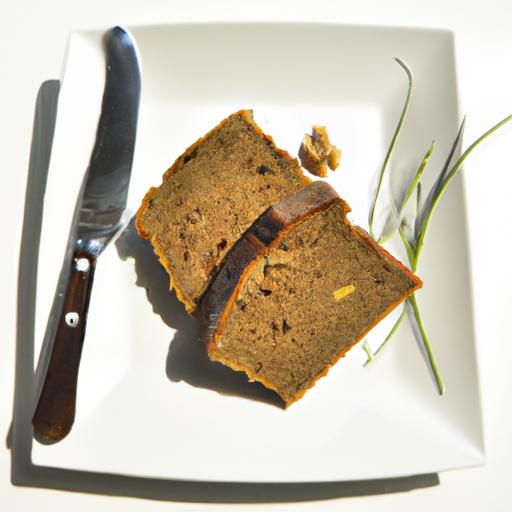
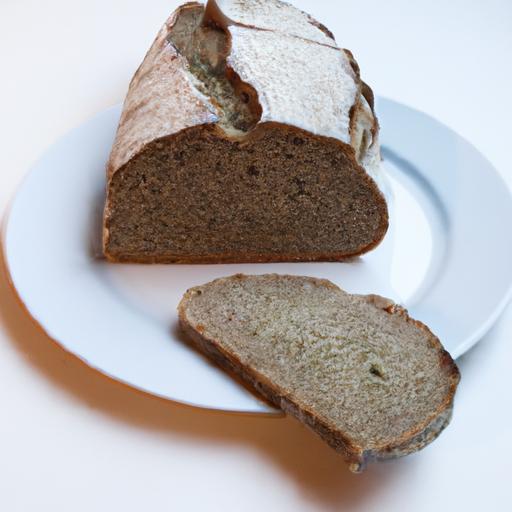
In a world where dietary choices are as diverse as the flavors on our plates, grain-free vegan bread is rising as a tasty revolution. Breaking free from customary wheat-laden loaves, this innovative bread reimagines what it means to enjoy a slice – blending wholesome, plant-based ingredients without a single grain in sight. From nutty textures to earthy undertones, grain-free vegan bread is unlocking new realms of flavor and nutrition, inviting both curious foodies and health-conscious eaters to savor a truly transformative experience. Join us as we explore the rise of this artisanal trend that’s reshaping the way we think about bread, one grain-free bite at a time.
Unlocking flavor in grain-free vegan bread requires a deep dive into the transformative power of alternative ingredients, innovative methods, and a passion for texture that defies convention. Unlike traditional breads that rely heavily on wheat or other cereal grains, grain-free vegan loaves showcase nature’s bounty thru nuts, seeds, and plant-based binders, creating hearty, delicious bread that nourishes both body and soul.
Prep and Cook Time
- Preparation: 20 minutes
- Baking: 50 minutes
- Total Time: 1 hour 10 minutes
Yield
One standard 9×5-inch loaf, approximately 12 slices
Difficulty Level
Medium – Ideal for home bakers ready to explore grain-free baking with a rewarding outcome
Ingredients
- 1 ¾ cups almond flour, finely ground
- ½ cup tapioca starch – vital for chewiness
- ¼ cup ground flaxseed (golden or brown), for binding and moisture
- 2 tbsp psyllium husk powder, the secret to loft and structure
- 1 tsp baking soda
- ½ tsp sea salt
- 1 ½ cups warm water (about 110°F/43°C)
- 2 tbsp apple cider vinegar – reacts for rise and tang
- 2 tbsp maple syrup or agave nectar, for subtle sweetness
- 2 tbsp melted coconut oil or avocado oil
- Optional: 2 tbsp pumpkin seeds or sunflower seeds for topping
Instructions
- Preheat your oven to 350°F (175°C) and line a 9×5-inch loaf pan with parchment paper or lightly grease with avocado oil.
- In a large bowl, whisk together almond flour, tapioca starch, psyllium husk powder, ground flaxseed, baking soda, and sea salt. these dry ingredients build the essential crumb and structure.
- In a separate container, combine warm water, apple cider vinegar, maple syrup, and melted coconut oil. The warmth activates the flaxseed and psyllium, while vinegar boosts rise.
- Pour the wet mixture into the dry ingredients and stir vigorously until a thick, sticky dough forms. Let the batter rest for 5 minutes – this helps the psyllium and flax seed fully hydrate and bind.
- Transfer the dough to the prepared loaf pan, smoothing the top with a spatula or wet fingers for an even surface.
- If using seeds, sprinkle them evenly over the top now for a golden, nutty crust after baking.
- Bake for 45-50 minutes, or until the loaf is golden brown and a toothpick inserted in the center comes out clean. the crust should sound hollow when tapped.
- Remove from the oven and cool in the pan for 15 minutes before carefully lifting out the loaf.Cool completely on a wire rack to ensure perfect sliceability.
Chef’s Notes: Tips for Success
- Texture Mastery: Psyllium husk powder is your ally for elasticity and moisture retention, mimicking gluten’s role in traditional breads.
- Ingredient Swaps: You can substitute almond flour with hazelnut or cashew flour for a distinct nutty flavor, but keep the ratios consistent.
- Storage: Wrap cooled bread tightly and store in the fridge up to 4 days or freeze individual slices for quick breakfasts.
- Seed Variations: Try sesame seeds, hemp hearts, or chia seeds for topping to add crunch and nutritional boost.
- Make-Ahead: This dough can be prepared the night before, covered tightly and refrigerated for enhanced flavor and convenience.
serving Suggestions
This grain-free vegan bread shines as a canvas for vibrant toppings. Serve toasted with smashed avocado,a sprinkle of chili flakes,and fresh lemon juice for a luminous,creamy bite. For a heartier option, layer with homemade hummus, roasted vegetables, and fresh herbs. Garnish with a scattering of microgreens or edible flowers to elevate presentation and amplify color contrast.

| Nutrient | Per Slice (approx.) |
|---|---|
| Calories | 150 |
| Protein | 5g |
| Carbohydrates | 10g |
| Fat | 12g |
For a deeper dive into the science behind grain-free baking, check out this expert guide from The Kitchn. And if you’re excited to explore more vegan baking innovations, discover our extensive vegan baking tips to elevate your kitchen adventures.
Q&A
Q&A: Unlocking Flavor – The Rise of Grain-Free Vegan Bread
Q1: What exactly is grain-free vegan bread?
A1: Grain-free vegan bread is a type of bread that omits traditional cereal grains like wheat, rye, barley, and oats, while also excluding all animal products such as dairy, eggs, and honey. Instead, it relies on alternative ingredients-think nuts, seeds, tubers, and legumes-to create nourishing, flavorful loaves that cater to varied dietary needs.
Q2: Why are more people turning to grain-free vegan bread?
A2: The surge in popularity comes from a fusion of health, environmental, and ethical motivations. Many seek grain-free options to avoid gluten or reduce carb intake, while veganism embraces plant-based eating without animal products. Grain-free vegan bread satisfies both, offering a wholesome, inclusive choice that aligns with modern lifestyle sensitivities.
Q3: What ingredients do bakers use to replace grains and still get that bread-like texture?
A3: Innovative bakers harness the power of almond flour, coconut flour, chickpea flour, and flaxseeds, alongside mashed sweet potatoes, tapioca starch, and psyllium husk. These ingredients collaboratively create structure and moisture. Seeds like sunflower, pumpkin, and chia add crunch and depth, turning simple bread into a canvas of complex textures.
Q4: How does the flavor of grain-free vegan bread differ from traditional bread?
A4: Grain-free vegan bread tends to be earthier, nuttier, and often richer in natural sweetness – thanks to ingredient choices like almond meal and sweet potatoes.The absence of gluten shifts the crumb from airy and chewy to dense and satisfying, inviting you to experience bread in a new, flavorful way.
Q5: Are there any unique benefits beyond flavor that grain-free vegan breads offer?
A5: Absolutely.These breads often pack more protein and fiber per slice than conventional loaves, thanks to legumes and seeds. They’re also free from common allergens like gluten and dairy, making them accessible to many with dietary restrictions. Plus, plant-based and grain-free means a possibly lower environmental footprint.
Q6: Can grain-free vegan bread be used in everyday meals?
A6: Definately! From breakfast toast topped with vibrant avocado and herbs to hearty sandwiches stuffed with colorful veggies, this bread is versatile. It toasts well, so you can enjoy it crispy or soft, and it’s rich flavor pairs beautifully with both savory spreads and naturally sweet jams.
Q7: What challenges do bakers face when making grain-free vegan bread?
A7: Without gluten’s elasticity, dough can be tricky to handle-it often doesn’t rise the same way or may require alternative leavening agents like baking soda, vinegar, or aquafaba to create lift and airiness. Balancing moisture is key; too dry, and the bread crumbles, too wet, and it won’t hold shape. It’s truly a creative science experiment every time.
Q8: Where can consumers find grain-free vegan bread?
A8: Grain-free vegan breads are increasingly available at specialty bakeries,health food stores,and farmers markets. They’re also gaining traction online, where artisanal bakers ship fresh loaves nationwide. For adventurous cooks, many recipes abound for DIY home baking adventures.
Q9: How does grain-free vegan bread reflect broader trends in food culture?
A9: It’s emblematic of a larger movement toward mindful eating-valuing ingredient quality, nutritional benefits, and ethical sourcing. As awareness around food sensitivities and sustainability grows,grain-free vegan bread becomes more than just a loaf; it’s a statement of intentional,conscious nourishment.
Unlocking the flavor of grain-free vegan bread means embracing innovation, celebrating diverse ingredients, and redefining what bread can be-one slice at a time.
In Conclusion
As the world of food continues to evolve, grain-free vegan bread stands at the delicious intersection of innovation and tradition. Unlocking new textures, flavors, and nutritional possibilities, this rising trend invites us to rethink what bread can be-beyond wheat, beyond gluten, and beyond convention. Whether you’re a seasoned plant-based eater or simply curious about new culinary horizons, grain-free vegan bread offers a fresh slice of creativity and healthful indulgence. So next time you reach for a loaf, consider the grain-free revolution-a flavorful journey that’s just beginning to rise.