Techniques to Elevate Plant-Based Dishes with Herbs and Spices
The Culinary Art of Vegetables: Flavorful plant-Based Creations invites home cooks and seasoned chefs alike to unlock the full potential of fresh, seasonal vegetables. One of the most exciting ways to transform everyday veggies into memorable meals lies in the thoughtful use of herbs, spices, and innovative cooking methods that preserve nutrients and amplify natural flavors. This section offers you a hands-on guide to mastering these techniques, ensuring every bite bursts with vibrant tastes and textures.
Explore The Culinary Art of Vegetables and learn how to craft delightful plant-based dishes bursting with color, texture, and flavor.
Prep and Cook Time
- preparation: 20 minutes
- cooking: 25 minutes
- Total Time: 45 minutes
Yield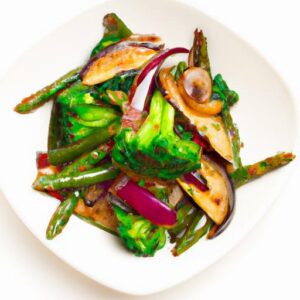
Serves 4 as a main course or 6 as a side dish
Difficulty Level
Medium – ideal for home cooks eager to experiment with flavor layering techniques
Ingredients
- 2 cups heirloom carrots, peeled and cut into batons
- 1 large zucchini, sliced into thick rounds
- 1 medium red bell pepper, julienned
- 1 cup baby spinach, washed and dried
- 3 cloves garlic, minced
- 1 teaspoon smoked paprika
- 1 tablespoon fresh thyme leaves, finely chopped
- 1 tablespoon fresh basil, chiffonade sliced
- ½ teaspoon ground cumin
- 1/3 cup extra virgin olive oil
- salt and freshly cracked black pepper to taste
- Juice of 1 lemon
- 1 tablespoon toasted pine nuts (optional for garnish)
Instructions
- Prepare the vegetables: Rinse and cut the carrots, zucchini, and red pepper. Pat dry to avoid excess moisture during cooking.
- Heat olive oil: In a large non-stick skillet over medium heat, warm the olive oil until shimmering but not smoking.
- sauté garlic and spices: Add minced garlic, smoked paprika, and ground cumin. Stir constantly for 1 minute-this will awaken their aromatic oils.
- Add root vegetables: toss in the carrots and stir-fry for 8-10 minutes, stirring occasionally, until they begin to soften and caramelize at the edges.
- Incorporate zucchini and red pepper: Add zucchini slices and red pepper strips. Cook for another 7 minutes until all vegetables are tender-crisp.
- Add greens and fresh herbs: Stir in the baby spinach, fresh thyme, and basil. Cook 1-2 minutes just until the spinach wilts, preserving its vibrant color and nutrients.
- Season and finish: Sprinkle salt and black pepper to taste. Squeeze lemon juice over the mixture and toss gently to combine bright acidity with smoky warmth.
- Plate and garnish: Dish out onto a warm platter. Toast pine nuts separately and scatter over the top for an added crunch and nutty contrast.
Tips for Success
- Use a heavy-bottom skillet to ensure even heat distribution and prevent burning.
- To maximize nutrient retention, avoid overcooking-vegetables should be tender but still have bite.
- Experiment with herb combinations such as oregano and parsley for a Mediterranean twist.
- If you prefer a smoky heat, substitute smoked paprika with chipotle powder, adjusting quantity carefully.
- This dish can be prepared ahead; simply reheat gently in a skillet with a splash of water or broth to revive freshness.
Serving Suggestions
Present this vibrant vegetable medley alongside fluffy quinoa or warm whole-grain flatbreads for a wholesome meal. Garnish with lemon zest curls or a drizzle of herb-infused olive oil to enhance freshness. For an elegant touch,serve in shallow bowls with a sprinkle of vegan feta or toasted sesame seeds. Pairing these vegetables with a lightly spiced lentil stew or a chilled avocado-cucumber soup creates a perfectly balanced, nutrient-rich dining experiance.

| Nutrient | Per Serving |
|---|---|
| Calories | 180 kcal |
| Protein | 4 g |
| carbohydrates | 15 g |
| Fat | 12 g |
For more inspiration on plant-based meals, check out our guide on innovative vegan cooking techniques. Additionally, explore expert herb and spice profiles at spices Inc – Herb & Spice Guide for deeper flavor explorations.
Q&A
Q&A: The Culinary Art of vegetables: Flavorful Plant-Based Creations
Q1: what makes vegetables an exciting canvas for culinary creativity?
A1: Vegetables offer a vibrant palette of colors, textures, and flavors that can be transformed through various cooking techniques. Their natural sweetness, earthiness, and crispness provide endless opportunities to experiment-from roasting and grilling to fermenting and pureeing-allowing chefs and home cooks alike to create dishes that are as visually stunning as they are delicious.
Q2: How can one enhance the flavor of vegetables without relying on meat-based ingredients?
A2: Elevating vegetables relies on layering flavors with herbs, spices, acids, and umami-rich plant-based ingredients like mushrooms, miso, soy sauce, and nutritional yeast. Techniques such as caramelizing, roasting, and slow braising develop deeper taste profiles, while adding components like toasted nuts, seeds, or fermented vegetables introduces exciting contrasts and complexity.Q3: What are some creative plant-based ways to incorporate vegetables into main courses?
A3: Vegetables can shine as the centerpiece in dishes like stuffed peppers filled with grains and herbs, spiralized zucchini noodles tossed with vibrant pestos, or hearty vegetable stews enriched with legumes and aromatic spices. Grilled vegetable skewers, layered vegetable terrines, or cauliflower “steaks” with bold sauces also showcase how vegetables can take center stage with confidence and flair.
Q4: How crucial is seasonality when working with vegetables?
A4: Seasonality is fundamental to unlocking the peak flavors and textures of vegetables. Cooking with what’s fresh and in season not only ensures optimal taste but also supports sustainability and local agriculture.Seasonal ingredients inspire creativity, allowing cooks to experiment with fresh peas in spring, vibrant squash in summer, root vegetables in fall, and hearty greens in winter.
Q5: What role do textures play in vegetable-based dishes?
A5: Texture is a vital element that adds interest and satisfaction to vegetable dishes. Combining crisp, tender, creamy, and crunchy components enhances the eating experience. Such as,pairing silky roasted eggplant with crunchy toasted chickpeas or a creamy avocado puree with crisp radish slices creates dynamic contrasts that delight the palate.
Q6: Can vegetables be used to replicate the richness or mouthfeel of traditional animal-based dishes?
A6: absolutely. Ingredients like roasted mushrooms, caramelized onions, and pureed legumes offer depth and umami-rich qualities that mimic the savory richness found in animal-based dishes. Techniques such as slow roasting or smoking vegetables bring out concentrated flavors and satisfy cravings for hearty, comforting meals without any animal products.
Q7: How can home cooks balance nutrition and flavor when preparing vegetable-centric meals?
A7: A balanced vegetable-focused meal combines a variety of colors and types-from leafy greens and cruciferous vegetables to root vegetables and legumes-to provide a diverse nutrient profile. Incorporating healthy fats like olive oil or avocado and seasoning thoughtfully with fresh herbs, citrus, and spices ensures that dishes are both nourishing and bursting with flavor.Q8: What are some lesser-known vegetables that deserve more attention in culinary creations?
A8: Delving beyond the usual suspects, vegetables like kohlrabi, sunchokes, Romanesco, or purple carrots bring unique textures and flavor notes that can elevate dishes.These underappreciated gems offer exciting visual appeal and taste surprises, inviting cooks to explore new culinary territory and add originality to plant-based menus.
Q9: How does fermentation contribute to the flavor profile of vegetable dishes?
A9: Fermentation introduces tangy, complex, and probiotic-rich flavors to vegetables, transforming simple ingredients into dynamic components that deepen a dish’s character. Sauerkraut, kimchi, and pickled vegetables add brightness and zest, enhancing balance and making meals more interesting and digestible.
Q10: What tips would you offer for those new to cooking with vegetables as the star ingredient?
A10: Start by embracing the diversity of vegetables-try new varieties and cooking methods to discover what delights your palate.Focus on simple techniques like roasting to bring out natural sweetness, use fresh herbs and citrus to brighten dishes, and don’t be afraid to combine textures and flavors boldly. Above all, approach vegetable cooking with curiosity and joy-your creativity is the secret ingredient!
Wrapping up
As we conclude our journey through the vibrant world of vegetables, it becomes clear that these humble ingredients are anything but ordinary. The culinary art of vegetables invites us to explore a palette of colors, textures, and flavors that can transform any dish into a masterpiece.Embracing plant-based creations not only honors nature’s abundance but also unlocks endless possibilities for innovation and nourishment. Whether you’re a seasoned chef or an adventurous home cook, let vegetables inspire your creativity and delight your palate-proving that the heart of exceptional cooking often lies in the earth’s simplest gifts.
The Culinary Art of Vegetables The Culinary Art of Vegetables The Culinary Art of Vegetables The Culinary Art of Vegetables The Culinary Art of Vegetables The Culinary Art of VegetablesThe Culinary Art of Vegetables The Culinary Art of Vegetables
The Culinary Art of Vegetables The Culinary Art of Vegetables The Culinary Art of Vegetables The Culinary Art of Vegetables The Culinary Art of Vegetables The Culinary Art of VegetablesThe Culinary Art of Vegetables The Culinary Art of Vegetables
Decadent gluten-free chocolate moelleux offers a sublime journey into the heart of rich, molten chocolate indulgence-with a texture so perfectly tender it melts effortlessly on your tongue. This luscious dessert, hailing from French culinary artistry, transforms every bite into a sensuous experience that celebrates the harmony of intense cocoa, a tender crumb, and naturally gluten-free ingredients that elevate both flavor and texture.
Prep and Cook Time
Readiness: 15 minutes | Cooking: 12 minutes | Total: 27 minutes
Yield

Serves 6 decadent portions
Difficulty Level
Medium
Ingredients
- 200g high-quality dark chocolate (70% cocoa), chopped
- 150g unsalted butter, plus extra for greasing
- 3 large free-range eggs
- 100g organic coconut sugar
- 70g almond flour, finely ground
- 30g cocoa powder, unsweetened, sifted
- 1 tsp pure vanilla extract
- 1 pinch fine sea salt
- Optional: powdered sugar or cacao nibs for garnish
Instructions
- Preheat your oven to 200°C (392°F). Generously butter six individual ramekins, then lightly dust them with cocoa powder to prevent sticking and enhance the chocolate crust.
- gently melt the dark chocolate and butter together using a double boiler or microwave in 30-second bursts, stirring thoroughly until smooth and glossy. set aside to cool slightly.
- Whisk the eggs and coconut sugar vigorously in a mixing bowl until pale, thick, and slightly frothy-this aeration is essential for the perfect rise and melt-in-mouth texture.
- Fold in the melted chocolate-butter mixture carefully, ensuring you maintain the airiness of the batter.
- Sift the almond flour and cocoa powder over the wet ingredients along with the sea salt.Add the vanilla extract. Fold gently with a spatula until just combined-avoid overmixing to keep the batter light.
- Divide the batter evenly into each prepared ramekin, filling almost to the rim for that signature gooey center.
- Bake on the middle rack for 10-12 minutes. The edges will be set, with a delicate wobbly center-this precise timing is critical to achieve the perfect molten heart.
- Remove from the oven and let rest for 2 minutes. Carefully invert each ramekin onto dessert plates, gently tapping to release the moelleux.
- Serve instantly to enjoy the divine melt-in-your-mouth sensation. Garnish with a light dusting of powdered sugar, a few fresh raspberries, or a sprinkle of cacao nibs for added texture and visual appeal.
Chef’s Notes & tips for Success
- Ingredient Quality: Use premium dark chocolate; it shapes the flavor depth and silkiness. Avoid swappable substitutes that overpower or dry out the moelleux.
- Almond Flour: Finely ground almond flour adds a moist crumb and rich nutty undertone. Alternatively, hazelnut flour can impart a subtle toasted character.
- baking Precision: Oven temperatures may vary; watch closely from the 10-minute mark. Undercook slightly for the best molten center.
- Make-Ahead: Batter can be made the day before and refrigerated in an airtight container. Bring to room temperature before baking.
- Gluten-Free Variations: This recipe is naturally gluten-free,but ensure your baking powder and other ingredients are certified gluten-free to avoid contamination.
Serving Suggestions to Elevate Every Bite
Present your decadent gluten-free chocolate moelleux with a scoop of velvety vanilla bean ice cream or a drizzle of warm salted caramel sauce to contrast the bittersweet richness. Fresh berries such as raspberries or blueberries add brightness and a slight tartness that cuts through the intense chocolate flavors. For a refined finish,garnish with a sprig of fresh mint or a sprinkle of edible gold dust to create a stunning plate that looks as impressive as it tastes.

| Nutrient | Per Serving |
|---|---|
| Calories | 350 kcal |
| Protein | 6 g |
| Carbohydrates | 30 g |
| fat | 24 g |
For more gluten-free dessert inspirations,check out our extensive guide to gluten-free sweets. To deepen your understanding of chocolate varieties and tempering processes, visit Cacao.com’s chocolate education page.
Q&A
Q&A: Decadent Gluten-Free Chocolate Moelleux – A Melt-in-Your-Mouth Delight
Q1: What exactly is a chocolate moelleux?
A1: Imagine a rich, fudgy chocolate cake with a perfectly molten center that gushes out with every forkful – that’s the magic of a chocolate moelleux. Originating from French patisserie, “moelleux” means soft or tender, and this dessert lives up to its name by offering a delectably soft crumb with a gooey, chocolatey heart.
Q2: How does this dessert fit into a gluten-free lifestyle?
A2: Traditionally, chocolate moelleux includes wheat flour, but this gluten-free version swaps in alternative flours like almond, coconut, or a gluten-free blend, ensuring everyone can indulge without compromise. The key is balancing the texture so the cake remains tender and moist, avoiding any gritty or dry mouthfeel.
Q3: What makes a gluten-free chocolate moelleux “decadent”?
A3: Decadence here doesn’t just mean rich chocolate – it’s about layers of indulgence. Using high-quality dark chocolate,real butter or a luscious dairy-free substitute,and the right amount of sweetness elevates every bite. The molten center adds that wow factor – warm, velvety chocolate that practically melts on your tongue.
Q4: is this dessert arduous to make at home?
A4: Surprisingly, no! With a few simple tips, anyone can master it. The batter comes together quickly, and the secret lies in baking time – just long enough to set the outer layer but keep the middle molten. Using a timer and watching the edges carefully ensures perfection. Plus, no gluten means less worry about overworking the batter.
Q5: Can the recipe be adapted for dietary restrictions beyond gluten?
A5: Absolutely. Dairy-free options can be incorporated by substituting butter with coconut oil or vegan margarine and using dairy-free dark chocolate. For those avoiding refined sugar, coconut sugar or maple syrup can add sweetness without sacrificing flavor. The humble chocolate moelleux is wonderfully versatile!
Q6: How should one serve this dessert for the ultimate experience?
A6: Serve it warm,straight from the oven,ideally in charming individual ramekins. Accompany with a scoop of vanilla bean ice cream or a dollop of whipped coconut cream to contrast the warm, molten center. A sprinkle of fresh berries or a dusting of powdered sugar adds both color and a refreshing touch.
Q7: What makes this gluten-free chocolate moelleux special compared to other chocolate desserts?
A7: It’s the perfect harmony of textures – a delicate cake exterior giving way to an irresistible molten core.Unlike a dense brownie or a customary flourless cake, the moelleux boasts both fluffiness and ooze, a sensory treat that feels luxurious and comforting. Plus, being gluten-free means more people can experience this little piece of chocolate heaven.
Whether you’re gluten-sensitive or just a devoted chocolate lover, the decadent gluten-free chocolate moelleux is a must-try marvel that melts hearts and tongues alike.
Final Thoughts
In the world of desserts, few treats manage to capture the soul of indulgence quite like the decadent gluten-free chocolate moelleux. This melt-in-your-mouth delight not only satisfies your deepest chocolate cravings but also embraces a thoughtful approach to dietary needs without compromising on flavor or texture. Whether you’re a seasoned gluten-free baker or simply someone eager to explore rich, luscious chocolate desserts, the moelleux offers a perfect balance of simplicity and elegance. So next time you seek a dessert that feels like a warm hug from the inside, remember this velvety, gluten-free marvel – a true party of chocolate that welcomes everyone to the table.