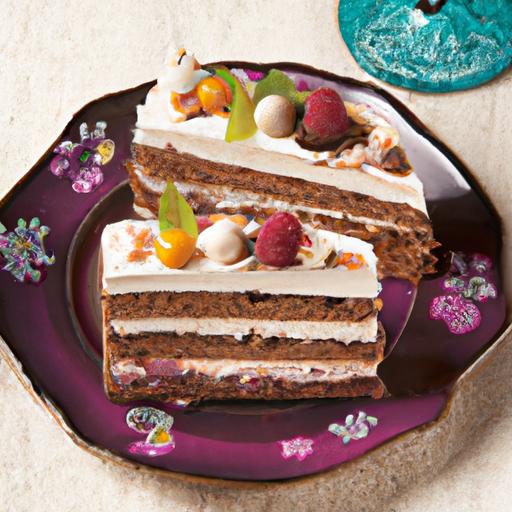



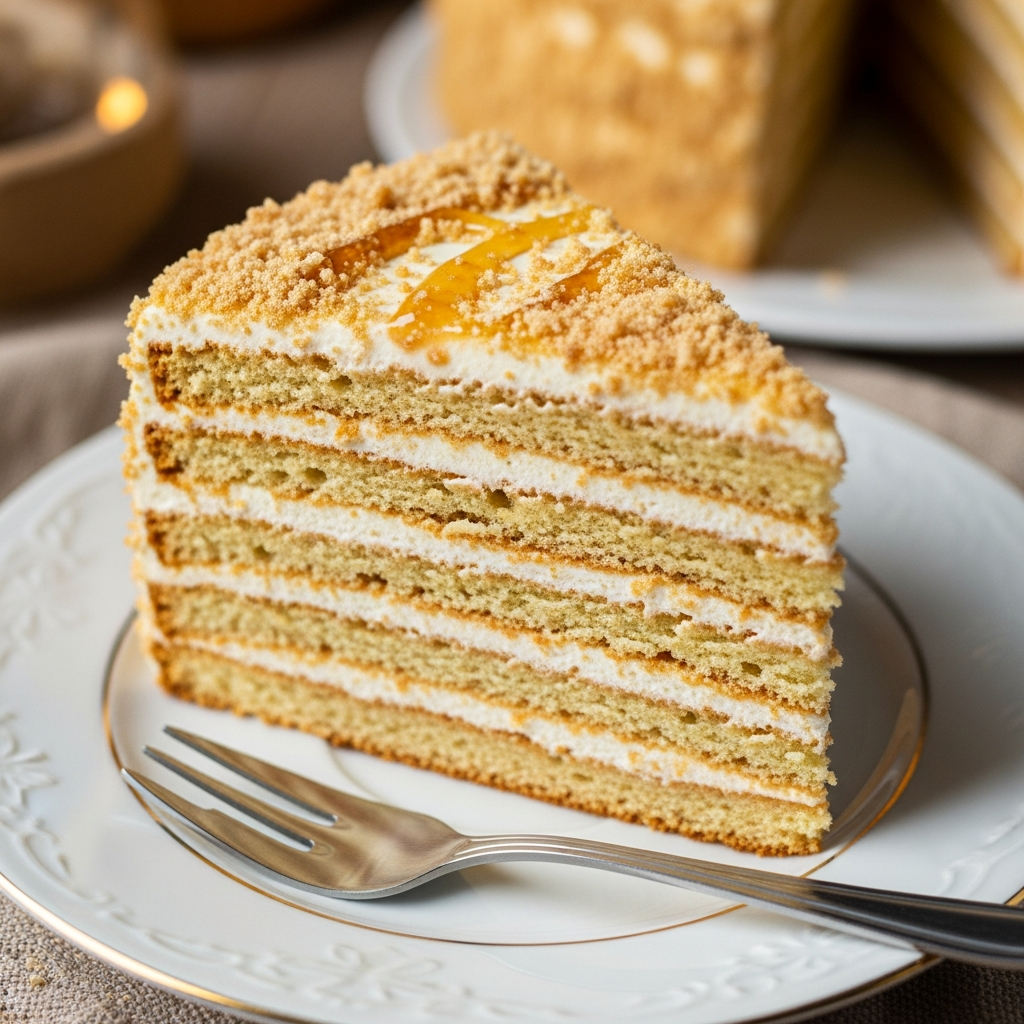
Beneath its unassuming, honey-kissed surface lies a symphony of flavors and history-Russian Medovik cake is more than just a dessert; it’s a journey through time and tradition. This multi-layered marvel, with its delicate honey-infused layers and luscious creamy filling, has been captivating palates and hearts for centuries. From humble beginnings in imperial kitchens to modern-day celebrations, Medovik embodies the sweetness of cultural heritage baked into every slice.Join us as we uncover the story, secrets, and sensory delights of this iconic Russian delicacy-where every crumb tells a tale of warmth, craftsmanship, and enduring legacy.
Sweet Layers of Tradition: Discover Russian Medovik Cake invites you to explore one of Russia’s most beloved desserts, steeped in history and crafted with finesse. This honey layer cake, known for its delicate sweetness and rich cream fillings, theritageells a story of patience, artistry, and cultural pride. Originating from 19th-century Russia, Medovik was reportedly created in the imperial kitchens, symbolizing warmth, celebration, and the timeless appeal of honey’s natural flavor.
prep and Cook Time
- Preparation: 45 minutes
- Chilling/Resting: 6-8 hours (ideal overnight)
- Cooking (Baking Layers): 10 minutes per layer
- Total Time: Approximately 8 hours including chilling
Yield
- Serves 10-12 slices
Difficulty Level
- Medium – requires patience and attention to layer thickness
Ingredients
- For the Honey Layers:
- 3 large eggs, at room temperature
- 1 cup granulated sugar
- 3 tablespoons raw honey
- 4 tablespoons unsalted butter
- 2 teaspoons baking soda
- 3 cups all-purpose flour, sifted
- For the Cream Filling:
- 2 cups sour cream, full-fat
- 1 cup heavy cream
- 3/4 cup powdered sugar, sifted
- 1 teaspoon pure vanilla extract
Instructions
- Prepare the Honey Base: in a double boiler, gently heat butter, honey, and sugar until melted and combined, stirring constantly. Remove from heat.
- Activate Eggs with Baking Soda: Whisk the eggs separately until frothy. Slowly whisk into the honey mixture. Then, stir in the baking soda. The mixture will foam slightly-this reaction helps develop the perfect cake texture.
- Add Flour: Gradually fold in the flour,stirring carefully to achieve a soft dough that is slightly sticky but manageable.
- Divide and Chill: Cut the dough into 8-10 equal portions. Wrap each piece in plastic wrap and chill for 30 minutes to 1 hour to make rolling easier.
- Roll and bake Layers: Preheat the oven to 350°F (175°C).Roll each portion into a thin, even circle (about 8 inches in diameter). Transfer to a parchment-lined baking sheet and bake each layer for 8-10 minutes or until golden around edges. Let cool completely on wire racks.
- Prepare cream Filling: In a chilled bowl, whip the heavy cream to medium peaks. In another bowl, whisk the sour cream with powdered sugar and vanilla until smooth.Gently fold whipped cream into sour cream mixture until uniform and fluffy.
- assemble the Cake: Place one honey layer on a serving plate.Generously spread cream filling on top. Continue layering and filling until all layers are stacked, finishing with cream on top and sides.
- Chill for Flavor Fusion: Cover with plastic wrap and refrigerate the cake for at least 6 hours or overnight. This resting time allows the honey layers to soften and absorb the cream, creating the signature melt-in-your-mouth texture.
Tips for Success: Mastering the Art of Baking Perfect Honey Layers
- Maintaining the right dough thickness is key-aim for 2-3 mm to ensure layers bake evenly without drying out.
- Use a round cake ring or plate as a template when rolling out layers to achieve consistent sizes.
- Don’t skip chilling the dough; it prevents tearing and makes rolling effortless.
- Baking time varies with oven types, so watch closely to avoid overbaking, which dries layers.
- For cream fillings, balance sweetness with tang by adjusting powdered sugar to taste.
Choosing the ideal cream Filling for Authentic Flavor
The classic medovik uses sour cream-based fillings for a subtle tang that complements honey’s natural sweetness beautifully.Combining sour cream with whipped heavy cream lightens the texture, lending a luscious yet airy mouthfeel. Vanilla enhances aroma without overpowering the delicate honey. For choice decadent layers, you might explore mascarpone or cream cheese blends, but true authenticity lies in the traditional sour cream mix.
Serving Suggestions
Present your honey layered beauty adorned with a dusting of crushed walnuts or toasted hazelnuts for added crunch. A drizzle of raw honey or a few fresh berries can brighten the plate and add a splash of vibrant color. Serve slices chilled alongside a cup of strong black tea or a lightly brewed herbal infusion to honor the cake’s Russian heritage. Medovik pairs wonderfully with winter gatherings but shines at any celebration demanding a dessert with elegance and heart.
Storage Tips
Wrap the cake securely in plastic wrap or an airtight container to prevent drying. Stored in the refrigerator, it keeps fresh up to 4 days, with flavors intensifying over time.For longer storage, freeze individual slices wrapped tightly, then thaw gently in the fridge before serving.

| Nutritional Details (per slice) | Calories | Protein | Carbs | Fat |
|---|---|---|---|---|
| Medovik Honey Layer Cake | 320 kcal | 5 g | 38 g | 15 g |
for an in-depth look at other traditional Russian desserts, check out our related article. For more historical context on honey in russian cuisine, the Encyclopedia Britannica’s honey entry is an invaluable resource.
Q&A
Q&A: Sweet Layers of Tradition – Discover Russian Medovik Cake
Q1: What is Medovik cake, and why is it so beloved in Russian cuisine?
A1: Medovik, often called the Russian honey cake, is a multi-layered dessert that’s cherished for its delicate balance of sweetness and subtle honey flavor. Each thin layer of tender cake is enveloped in a creamy, often sour cream-based filling, creating a luscious texture that melts in your mouth. It’s beloved not just for its taste, but for the generations of tradition and celebration it represents in Russian households.
Q2: How did Medovik originate?
A2: While the precise origins of Medovik are somewhat mysterious, it’s believed to have emerged in the 19th century, gaining popularity in Russian aristocratic circles, particularly associated with Empress Elizabeth Alexeievna. The cake’s honey-infused layers reflect the importance of honey in Russian culinary heritage, symbolizing warmth, sweetness, and festivity.
Q3: What makes Medovik different from other layered cakes?
A3: Unlike typical sponge or butter cakes, Medovik’s layers are ultra-thin and made with honey-enhanced dough, which gives the cake a unique tenderness and depth of flavor. The cake’s signature is also its sour cream or condensed milk-based filling, which lends a slight tanginess that complements the honey’s natural sweetness. The harmony of textures and flavors sets Medovik apart as a comforting yet elegant treat.Q4: Can Medovik be customized or varied?
A4: Absolutely! While the classic recipe sticks to honey layers and sour cream frosting, creative bakers have introduced nuts, caramel, walnuts, or even chocolate to give new spins to traditional Medovik. Some variations substitute the filling with sweetened condensed milk or whipped cream, catering to different tastes while maintaining the cake’s core identity.
Q5: How is Medovik traditionally served and enjoyed?
A5: Medovik is often prepared ahead of time and allowed to rest for several hours-sometimes overnight-to let the layers fully absorb the cream and soften. It is typically sliced into generous wedges and presented during celebrations, family gatherings, or teatime rituals. Sharing Medovik is an act of warmth and hospitality, a sweet thread linking past and present.
Q6: What cultural significance does Medovik hold in Russia?
A6: More than just a dessert, Medovik embodies Russian values of patience, craftsmanship, and togetherness. Its labor-intensive assembly mirrors the care and effort invested in family traditions. Serving Medovik at a table symbolizes a welcoming spirit and a connection to history, making every bite a taste of Russian heritage.
Q7: Can I make Medovik at home? Any tips for beginners?
A7: Definitely! While Medovik requires some attention to detail, the process is vrey rewarding. Start by preparing the honey dough carefully-use high-quality honey for best flavor. Roll out the layers thinly but evenly, and don’t rush the resting period; this “marinating” step is crucial for the cake’s moist texture. Lastly, be patient and enjoy the journey-baking Medovik is as much about creating memories as it is about the final slice.
Concluding Remarks
As the final slice of Medovik melts on your tongue, you’re not just tasting a cake—you’re savoring centuries of Russian heritage, patience, and love baked into every honeyed layer.
This beloved dessert, with its delicate balance of sweetness and texture, invites you to explore a tradition passed down through generations. It has been sweetening celebrations and everyday moments alike.
Whether enjoyed with a steaming cup of tea or shared among friends and family, Medovik is more than a cake; it’s an appetizing story of culture, history, and craftsmanship waiting to be discovered bite by bite.
So next time you seek a dessert that’s both a treat and a journey, let Medovik’s sweet layers guide you through a taste of Russia’s rich culinary tapestry.