
When it comes to powering through intense workouts and bouncing back stronger, what you eat can make all the difference. For athletes and fitness enthusiasts embracing a vegan lifestyle, finding the perfect combination of nutrients to fuel recovery is both a science and an art. Enter the world of vibrant plant-based meals designed not only to satisfy your taste buds but to replenish muscles, reduce inflammation, and restore energy. In this article, we’ll explore the top vegan meals that turn post-workout fuel into powerful recovery tools-because nourishing your body with the right ingredients is the ultimate way to keep pushing your limits and crushing your goals.
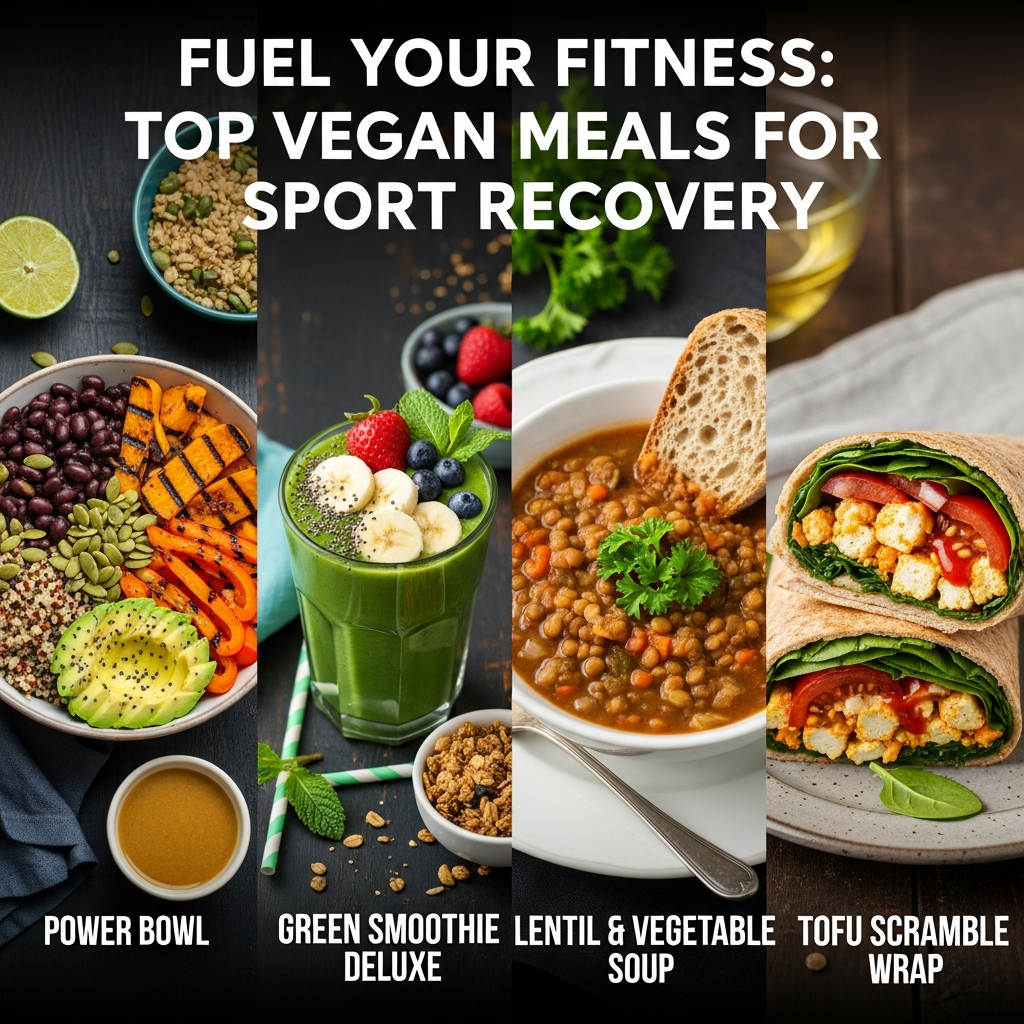
Fuel Your Fitness: Top Vegan Meals for Sport Recovery unlocks the power of plant-based nutrition to help you bounce back stronger after every sweat session. This vibrant quinoa and black bean bowl is a shining example of how nutrient-dense vegan foods can replenish energy stores and accelerate muscle repair. bursting with colorful veggies and anti-inflammatory spices, this dish not only delights the senses but also fuels your muscles, enhances recovery, and keeps inflammation at bay.
Prep and Cook Time
Planning: 15 minutes | Cooking: 25 minutes | Total: 40 minutes
Yield
Serves 4 hearty portions
Difficulty Level
Easy
Ingredients
- 1 cup quinoa, rinsed thoroughly
- 2 cups low-sodium vegetable broth
- 1 can (15 oz) black beans, drained and rinsed
- 1 large sweet potato, peeled and diced into ½-inch cubes
- 1 red bell pepper, diced
- 1 cup chopped kale, stems removed and leaves roughly chopped
- 2 cloves garlic, minced
- 1 tsp ground turmeric
- 1 tsp ground cumin
- ½ tsp smoked paprika
- 2 tbsp olive oil
- Salt and freshly ground black pepper, to taste
- Juice of 1 lime
- ¼ cup fresh cilantro, chopped
- Optional toppings: sliced avocado, pumpkin seeds, and a drizzle of tahini
Instructions
- Cook the quinoa: In a medium saucepan, combine quinoa and vegetable broth. Bring to a boil, then reduce heat to low, cover, and simmer for 15 minutes or until liquid is absorbed and quinoa is fluffy. Remove from heat and let it rest covered.
- roast the sweet potatoes: Preheat your oven to 400°F (200°C). Toss the diced sweet potatoes with 1 tablespoon olive oil, salt, and half of the turmeric and cumin.spread them evenly on a baking sheet and roast for 20 minutes, flipping halfway through, until tender and golden brown.
- Sauté the veggies: While the sweet potatoes roast, heat the remaining olive oil in a large skillet over medium heat. Add minced garlic and red bell pepper, sautéing for 3-4 minutes until fragrant and soft.
- Add kale and spices: Stir in chopped kale along with smoked paprika, remaining turmeric, cumin, salt, and pepper. Cook for another 5 minutes until the kale wilts but remains vibrant.
- Incorporate black beans: Stir in the black beans and cook until heated through, about 2-3 minutes.Add the lime juice and adjust seasoning as needed.
- Combine and serve: Fluff the quinoa with a fork, then divide it between bowls. Top with the sautéed vegetable and black bean mixture, finished off with roasted sweet potatoes, fresh cilantro, and optional avocado slices and pumpkin seeds for extra texture and nutrition.
Tips for Success
- Make it ahead: Quinoa and roasted sweet potatoes can be prepared a day in advance – store separately in airtight containers and assemble just before serving for maximum freshness.
- Customize your protein: Swap black beans with chickpeas or lentils for a different flavor profile or added fiber.
- Boost anti-inflammatory benefits: Add freshly grated ginger or a sprinkle of ground flaxseeds to your bowl for extra healing power.
- Adjust spice levels: For a milder dish,decrease smoked paprika or replace it with sweet paprika.
Serving Suggestions
this bowl shines served warm, offering comfort and nourishment after intense training. Garnish with a generous drizzle of creamy tahini or a squeeze more lime to add brightness. Pair it with a crisp side salad featuring arugula, cherry tomatoes, and a lemon vinaigrette. For an added omega-3 boost,sprinkle chia seeds on top just before serving.

| Nutrient | Amount per serving |
|---|---|
| Calories | 420 kcal |
| Protein | 18 g |
| Carbohydrates | 58 g |
| Fat | 11 g |
Discover more ways to fuel your fitness with vegan meals designed specifically for active lifestyles. For further insights on plant-powered muscle recovery, visit the British Nutrition Foundation.
Q&A
Q&A: Fuel Your Fitness – Top Vegan Meals for Sport Recovery
Q1: Why is post-workout nutrition critically important for athletes and fitness enthusiasts?
A1: After a rigorous workout, your body is like a car running low on fuel-it needs to replenish energy stores, repair muscle tissue, and reduce inflammation. Proper post-workout nutrition jump-starts recovery, helps rebuild muscles, and prepares you for your next session. Skipping this crucial step can lead to fatigue, decreased performance, and slower gains.
Q2: Can a vegan diet provide all the necessary nutrients for effective sport recovery?
A2: Absolutely! A well-planned vegan diet can supply ample proteins, carbohydrates, healthy fats, vitamins, and minerals essential for recovery. Plant-based foods like legumes, quinoa, nuts, seeds, leafy greens, and fruits are nutritional powerhouses that support muscle repair and replenish glycogen stores without the heaviness some animal products might cause.
Q3: What are the key components of a perfect vegan recovery meal?
A3: Think of your recovery plate as a colorful palette:
- Complex carbohydrates (sweet potatoes, brown rice, oats) to restore glycogen.
- Plant-based proteins (lentils,chickpeas,tofu,tempeh) for muscle repair.
- Healthy fats (avocado, chia seeds, walnuts) to reduce inflammation.
- Antioxidant-rich fruits and vegetables (berries, spinach, beets) to combat oxidative stress.
together, they form a balanced meal that refuels your body efficiently.
Q4: What are some creative and tasty vegan meals ideal for post-exercise recovery?
A4: Here are a few delicious ideas that marry nutrition with flavor:
- Quinoa Power Bowl: Loaded with quinoa, roasted chickpeas, steamed kale, avocado, and a lemon-tahini dressing.
- Sweet Potato & Black Bean Tacos: Wrapped in corn tortillas, topped with salsa and fresh cilantro for a nutrient-packed punch.
- Tofu Stir-Fry: Firm tofu sautéed with colorful veggies and brown rice,drizzled with a ginger-soy glaze.
- Berry Oat Smoothie: A blend of oats, mixed berries, plant-based protein powder, flaxseeds, and almond milk for swift and easy muscle recovery.
Q5: How soon after a workout should I eat my vegan recovery meal?
A5: Ideally,aim to eat within 30 to 60 minutes post-exercise. This window is your body’s “anabolic sweet spot,” when muscles are primed to absorb nutrients for repair and growth. If a full meal isn’t practical, a quick smoothie or snack combining protein and carbohydrates works wonders.
Q6: Are there any specific plant-based proteins that are especially good for muscle recovery?
A6: Yes! Complete proteins like quinoa,soy (tofu,tempeh,edamame),buckwheat,and amaranth provide all nine essential amino acids vital for muscle repair. Combining legumes with grains-like rice and beans-also ensures you get a complete amino acid profile.Q7: How do antioxidants in vegan foods aid recovery?
A7: exercise generates free radicals that can cause oxidative stress and muscle soreness. Antioxidants found in colorful fruits and veggies-such as berries, cherries, spinach, and beets-neutralize these harmful molecules, reducing inflammation and speeding up recovery time.
Q8: Can I customize vegan recovery meals according to different types of workouts?
A8: Definitely! For endurance sessions, prioritize more carbohydrates to replenish glycogen-think large portions of grains and starchy vegetables. After strength training, boost protein intake with lentils, seitan, or vegan protein powders.Listening to your body’s signals and adjusting macros accordingly can optimize recovery.
Q9: What role do hydration and electrolytes play alongside vegan meals in recovery?
A9: Hydration is a cornerstone of recovery. Water helps transport nutrients to muscles,regulate body temperature,and flush out waste products.Include naturally hydrating and electrolyte-rich foods like coconut water, watermelon, bananas, and spinach to replenish lost minerals like potassium, magnesium, and sodium.
Q10: Any final tips for athletes starting a vegan recovery nutrition plan?
A10: Start with variety and balance-diverse whole foods cover different nutrient bases. Experiment with flavors and textures to keep meals exciting, and don’t forget to listen to your body. If you’re new to vegan recovery meals, consulting a nutrition specialist can definitely help tailor your plan to your unique energy needs and fitness goals. Fuel well, recover fast, and keep your momentum strong!
closing Remarks
As you lace up for your next workout or wind down from a grueling game, remember that what you put on your plate is just as crucial as the reps you crush or the miles you conquer.These vibrant, nutrient-packed vegan meals don’t just satisfy hunger-they replenish your muscles, soothe inflammation, and ignite your recovery process with plant-powered precision. Embracing a vegan diet for sport recovery isn’t about restriction; it’s about unlocking a world of flavors and nutrients that fuel your fitness journey with purpose and vitality. So, whether you’re an athlete chasing new personal bests or simply passionate about health, let these meals be your secret weapon to rise stronger, faster, and more energized every day. your body-and the planet-will thank you.