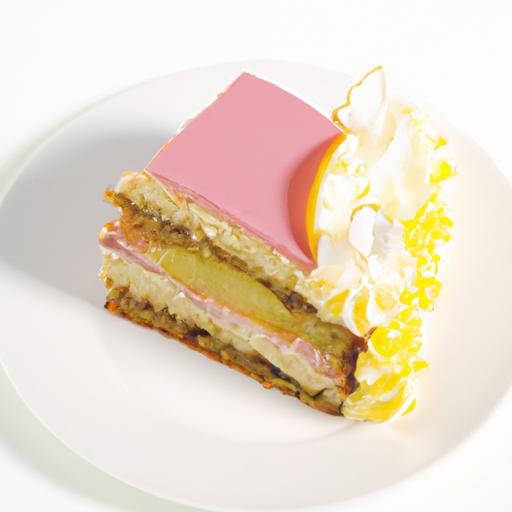


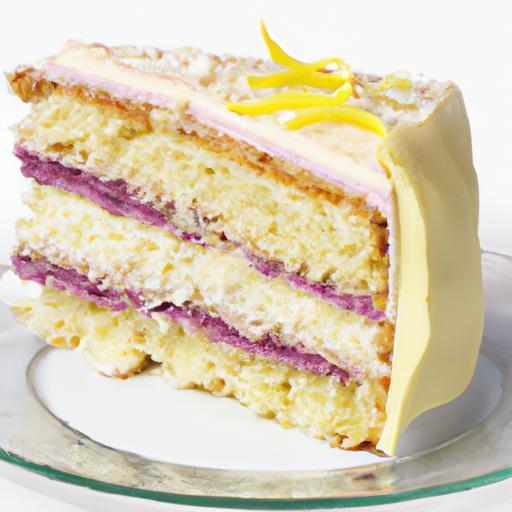
Beneath its delicate layers of airy sponge, whipped cream, and vibrant green marzipan lies a story as rich and enchanting as the cake itself. The Swedish princess Cake,or Prinsesstårta,has captivated taste buds and hearts for nearly a century,standing as a symbol of tradition,party,and understated elegance. More than just a dessert, it is indeed a sweet embodiment of Swedish culture-a timeless charm that continues too delight generations. In this article, we’ll unwrap the history, ingredients, and enduring appeal of this iconic treat, revealing why the Princess Cake remains a beloved staple on festive tables and beyond.
The Timeless Charm of Swedish Princess cake: The Art of Layers Exploring Ingredients and Flavors
The Timeless Charm of Swedish Princess Cake lies in its delicate harmony of flavors and the artistry of its signature layers. Originating in early 20th-century Sweden, this beloved dessert was inspired by Princess Märtha of Sweden, famed for her elegant yet approachable tastes.As its popularity blossomed, the cake evolved into a symbol of celebration and Swedish hospitality-a masterpiece wrapped in a smooth green marzipan blanket that holds together silky custard, pillowy sponge, and whipped cream. Every bite combines subtle vanilla sweetness with the nutty allure of almond paste, balanced perfectly by the tartness of raspberry jam.
Prep and Cook Time
- Readiness: 45 minutes
- Chilling time: 4 hours (minimum)
- Total time: 5 hours
Yield
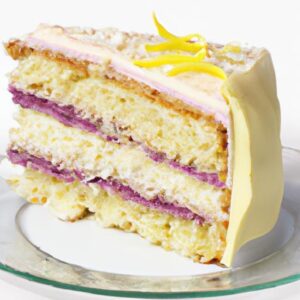
Serves 8-10 elegantly sized slices
Difficulty Level
Medium – requires layering finesse and patience during chilling
Ingredients
-
- For the sponge cake:
- 4 large eggs, at room temperature
- 1 cup (200g) granulated sugar
- 1 cup (130g) all-purpose flour, sifted
- ¼ cup (25g) cornstarch
- 1 tsp baking powder
- 1 tsp pure vanilla extract
- For the custard (vanilla pastry cream):
- 2 cups (480ml) whole milk
- 1 vanilla bean, split and scraped (or 2 tsp vanilla extract)
- 4 large egg yolks
- ⅔ cup (135g) sugar
- 3 tbsp cornstarch
- 2 tbsp unsalted butter, softened
- Assembly and decoration:
- 1 cup raspberry jam, strained for seeds
- 3 cups heavy whipping cream, chilled
- ¼ cup powdered sugar
- Approx. 10 oz (300g) green marzipan
- Pink marzipan paste or sugar paste (for rose garnish)
- Powdered sugar for dusting
- For the sponge cake:
Instructions
-
-
- Prepare the sponge cake: Preheat your oven to 350°F (175°C). Line a 9×13-inch baking pan with parchment paper. In a large bowl,whisk the eggs and sugar over a double boiler until warm (about 110°F) and fluffy,approximately 5 minutes. Remove from heat and continue whisking until pale and tripled in volume.
- Sift together the flour, cornstarch, and baking powder. Gently fold into the egg mixture in thirds, taking care not to deflate the batter.Fold in the vanilla extract.
- pour the batter evenly into the prepared pan and bake for 18-20 minutes, or until a toothpick comes out clean. Avoid opening the oven early. Let cool fully on a wire rack.
- Make the vanilla custard: Heat the milk and vanilla bean seeds with the pod in a saucepan until just simmering. Remove from heat and let infuse for 10 minutes.
- In a separate bowl, whisk egg yolks, sugar, and cornstarch until smooth and pale. Slowly pour the hot milk into the egg mixture, whisking constantly to temper the eggs.
- Return the mixture to the saucepan and cook over medium heat, whisking continuously until it thickens and just bubbles (about 3-4 minutes). Do not let it boil vigorously.
- Remove from heat and stir in the butter. Transfer to a bowl, cover with plastic wrap directly on the surface to prevent a skin, and chill until cool.
- Whip the heavy cream and powdered sugar until stiff peaks form, adjusting sweetness to taste.
- Layer the cake: Slice the sponge horizontally into three even layers using a serrated knife.
- Place the bottom layer on your serving plate and spread a thin layer of raspberry jam.
- Spread half of the custard evenly over the jam layer, then add a generous layer of whipped cream (about one-third of total cream).
- Repeat with the middle sponge layer, more jam, custard, and cream. Top with the final sponge layer.
- Roll out the marzipan on powdered sugar to a thin sheet (about 1/8 inch) large enough to cover the entire cake. Gently place it over the cake, smoothing from the center outwards to avoid air bubbles and wrinkles.
- Trim excess marzipan from edges. Reserve a small piece colored pink to form a delicate rose or simply pipe piped cream rosettes.
- Chill the cake for at least 4 hours before serving – this allows the layers to meld beautifully.
-
Tips for Mastering the Timeless Charm of Swedish Princess Cake
-
-
- Layer symmetry: Use a serrated knife and steady hands to ensure even sponge layers for perfect stacking.
- Marzipan handling: Keep marzipan lightly dusted with powdered sugar and avoid over-kneading, which can make it tough.
- Custard consistency: Remove from heat as soon as thickened to avoid graininess; whisk vigorously for a smooth texture.
- Make-ahead: The cake tastes even better the next day; cover and refrigerate for up to 2 days.
- Ingredient substitutions: For a dairy-free twist, try coconut cream to whip, but retain the classic custard for authenticity.
-
Pairing Ideas and Serving suggestions to Elevate Your experience
To elevate the full experience of the Timeless Charm of Swedish Princess cake, serve with a cup of robust coffee or a delicate Earl Gray tea. Fresh raspberries on the side echo the fruity jam interior, while mint leaves add a refreshing herbal note. A dusting of powdered sugar over the marzipan creates a snow-kissed visual accent perfect for festive occasions. For special gatherings, slice the cake with a warmed knife for cleaner cuts and present on elegant porcelain plates. This cake truly shines when shared-its light yet indulgent layers invite conversation and delight.

| Nutritional Info (per slice) | Calories | Protein | Carbs | Fat |
|---|---|---|---|---|
| Princess Cake | 350 kcal | 6 g | 45 g | 15 g |
For further inspiration and baker-amiable techniques,explore our detailed classic sponge cake Basics guide,or learn about the culinary history of marzipan on Britannica.
Q&A
Q&A: The Timeless Charm of Swedish Princess Cake: A Sweet Tradition
Q1: What is a Swedish Princess cake?
A1: Swedish Princess Cake, or Prinsesstårta, is a beloved traditional dessert known for its delicate layers of sponge cake, rich pastry cream, fluffy whipped cream, and a smooth, pastel-green marzipan covering. It’s a sweet symphony that combines lightness and richness in every bite.
Q2: Where did the name “Princess Cake” come from?
A2: The cake earned its regal name in the early 20th century after it became a favorite of Swedish princesses, especially Princess Margaretha. The pastel-green marzipan layer is said to evoke the soft hues of a princess’s gown,adding to its fairy-tale allure.
Q3: What makes the Swedish Princess Cake so distinctive compared to other layered cakes?
A3: Unlike many layered cakes that focus on chocolate or fruit, the princess Cake’s signature feature is its smooth marzipan shell, which envelops a harmonious layering of moist sponge, luscious vanilla custard, and airy whipped cream. This combination offers a unique texture and flavor experience-simultaneously light and indulgent.
Q4: Why is marzipan so critically important in this cake?
A4: Marzipan acts like a delicate yet sturdy frosting that sets the cake apart visually and texturally. Its almond sweetness balances beautifully with the vanilla custard and cream, creating a subtle complexity. Plus, that iconic green marzipan dome is instantly recognizable and deeply tied to Swedish culinary identity.
Q5: Is the Princess Cake served for any special occasions?
A5: Absolutely! princess Cake is a staple at celebrations such as birthdays, weddings, and Christmas in Sweden. Its festive appearance and delightful taste make it a centerpiece dessert that carries a sense of occasion and tradition.
Q6: Can the flavor or decoration vary from the classic recipe?
A6: While the classic recipe sticks to vanilla custard, sponge, cream, and green marzipan, bakers sometimes add a thin layer of raspberry jam under the cream for a subtle fruity note. Decorations often include a pink marzipan rose or powdered sugar on top to complete the elegant look.
Q7: How has the Princess Cake maintained its popularity over the years?
A7: The Princess cake endures as it combines nostalgia with timeless flavors. Its delicate balance of ingredients and iconic appearance create a sense of comfort and celebration. Moreover, it’s a testament to sweden’s rich baking heritage, cherished by generations and continually recreated in homes and cafés alike.
Q8: How difficult is it to make a Swedish Princess Cake at home?
A8: While the cake requires some patience, especially when preparing the custard and rolling out the marzipan, it’s very much achievable for dedicated home bakers. The key lies in mastering the layers and ensuring the marzipan wraps smoothly for that signature domed shape.
Q9: Are there any cultural stories or anecdotes linked to the Princess Cake?
A9: Legend has it that the cake was originally called Grön tårta (Green Cake) before it was renamed in honor of the Swedish royal family’s youngest princesses. This royal connection added a sparkle of glamour, reinforcing its place as a dessert fit for celebrations and royalty alike.
Q10: What makes the Princess Cake a timeless dessert worthy of finding?
A10: Its elegant balance of flavors, enchanting appearance, and deep cultural roots make the Princess Cake more than just a dessert-it’s a slice of Swedish history and a sweet reminder of simple, refined joys. Tasting it is like stepping into a storybook, where each bite is a little moment of magic.
Wrapping Up
As the final slice of Swedish Princess Cake is savored,its delicate layers and vibrant green marzipan leave more than just a sweet aftertaste-they carry with them a rich heritage woven into the fabric of Sweden’s culinary story. This charming dessert, with roots stretching back nearly a century, continues to enchant palates and hearts alike, proving that some traditions are indeed timeless. weather enjoyed at a festive gathering or a quiet afternoon coffee, the Princess Cake remains a symbol of celebration, craftsmanship, and enduring sweetness-a delicious reminder that the simplest pleasures often hold the deepest cultural significance.