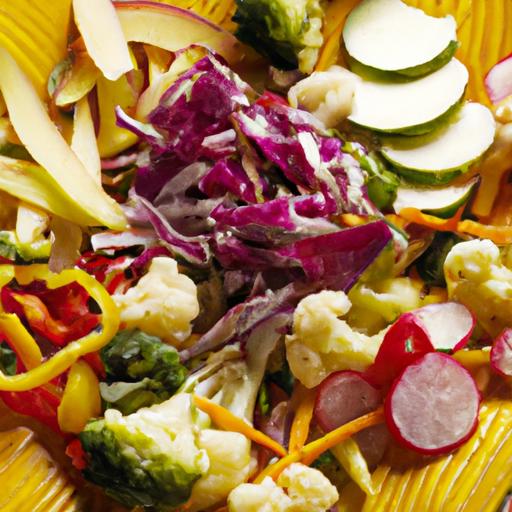


In a world where food meets inventiveness, the humble vegetable takes center stage not just as nourishment, but as a vibrant palette of colors and shapes waiting to be counted, organized, and celebrated. “Counting Colors: The art of the Veggie Number Platter” invites you into a colorful journey where math and culinary creativity intertwine. This unique approach transforms everyday veggies into a playful feast for the eyes and the mind, turning counting into a multisensory experience. Whether you’re a food lover, a parent seeking educational fun, or simply curious about the magic hidden in your salad bowl, this article will unravel the captivating story behind turning vegetables into a captivating numerical art form.
Counting colors: The Art of the Veggie Number Platter invites you into a world where freshness bursts not only through flavor but through the vibrant palette of garden vegetables. This artful approach to crafting vegetable platters transforms humble produce into stunning visual symphonies, making every bite a celebration of color and texture.Whether you’re hosting a lively gathering or seeking a healthy centerpiece, mastering the balance of hues and flavors elevates your veggie display from simple snack to culinary masterpiece.
Prep and Cook Time
- Preparation: 25 minutes
- Cooking (optional blanching or roasting): 10 minutes
- Total Time: 35 minutes
Yield
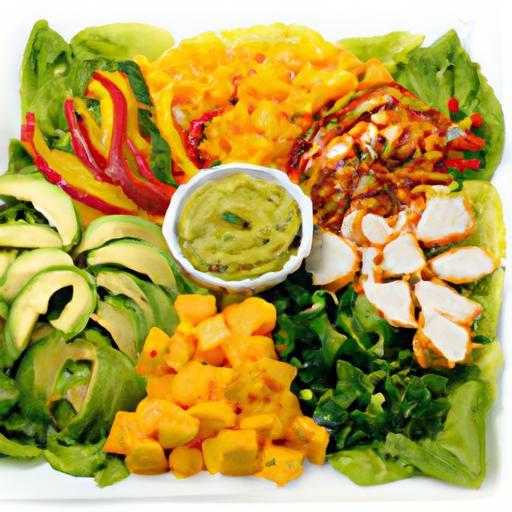
Serves 6-8 as a vibrant appetizer
Difficulty Level
Easy to Medium – Perfect for both casual hosts and aspiring food stylists
Ingredients
- 1 cup cherry tomatoes (various colors: red, yellow, orange)
- 1 cup rainbow baby carrots, peeled and trimmed
- 1 cup cucumber ribbons (use a vegetable peeler)
- 1 cup sugar snap peas, trimmed and blanched briefly
- 1 cup purple cauliflower florets, small and bite-sized
- 1 cup thinly sliced radishes, a mix of watermelon and red varieties
- 1 cup thinly shaved beets, raw or lightly roasted
- ½ cup fresh herbs (mint, parsley, and cilantro), loosely chopped
- 2 tablespoons olive oil
- 1 tablespoon fresh lemon juice
- Salt and freshly ground black pepper, to taste
- 1 teaspoon toasted sesame seeds (optional garnish)
Instructions
- Prepare the veggies: rinse all vegetables thoroughly under cool water. Trim baby carrots and sugar snap peas; peel cucumber ribbons with a vegetable peeler, making long, thin strips.
- Blanch for vibrancy: Bring a pot of salted water to boil. Briefly blanch sugar snap peas and purple cauliflower florets for 1-2 minutes, then quickly transfer to an ice bath to lock in color and crunch.
- Roast beets (optional): For a softer texture, roast thin beet slices tossed lightly in olive oil at 375°F (190°C) for 8-10 minutes until just tender. Cool completely before arranging.
- Mix dressing: in a small bowl, whisk together olive oil, fresh lemon juice, salt, and pepper until emulsified.
- Create your color story: On a large wooden platter, start by laying down herb clusters as a fresh green base. arrange vegetables in numerical shapes or linear bands, grouping by complementary colors to achieve eye-catching contrast (e.g., purple cauliflower next to orange carrots).
- Drizzle and garnish: Lightly brush the dressing over the arranged vegetables, ensuring a gentle sheen that enhances natural hues. Sprinkle toasted sesame seeds evenly for added texture and subtle nuttiness.
- Final flourish: Scatter additional chopped herbs on top just before serving to maintain freshness and aroma.
The Power of Color and Flavor Pairing to Enliven Your Veggie Array
Strategically balancing hues is only one side of the art; consciously pairing flavor notes is equally vital. The sweet crunch of baby carrots harmonizes beautifully with the peppery snap of radishes. Cool cucumber ribbons temper the earthiness of beets, while the subtle floral notes of fresh herbs bring vibrancy to every bite. Embrace contrast by combining crisp with tender, sweet with slightly bitter, offering guests a multidimensional tasting experience alongside the vivid visual appeal.
Crafting Nutritional Beauty Through Portion Harmony
Part of mastering the veggie number platter is crafting portion sizes that are as nourishing as they are attractive. Aim for bite-sized pieces that invite easy picking and sharing without overwhelming the palate or plate. A thoughtfully restrained yet abundant presentation ensures your guests savor diverse flavors without fatigue. Keep balance – not just in colors, but in textures and quantities – for a platter that feels approachable, healthy, and endlessly inviting.
Seasonal Treasures & Storage Wisdom for Peak Freshness
Embrace the rhythm of the seasons for the freshest, most flavorful vegetable choices. In spring, look for crisp asparagus and radishes; summer encourages sweet cherry tomatoes and cukes; fall invites colorful cauliflower and root vegetables; winter keeps slow-roasted beets and hardy greens in play. Store delicate vegetables like herbs and leafy greens wrapped lightly in damp paper towels inside breathable containers to prolong crispness. Root vegetables store best in cool, dark environments, preserving their vibrancy and firmness until serving day.
Chef’s Tips for Success
- For added crunch, sprinkle lightly toasted nuts like almonds or walnuts near your arrangement edges.
- Consider serving with a duo of dips-creamy avocado yogurt and smoky roasted red pepper hummus-to complement your veggie number platter.
- Prepare all vegetables at least 30 minutes ahead, storing chilled and arranging just before serving to retain peak freshness and crunch.
- Substitute or add colorful bell peppers, thinly sliced fennel, or snap peas depending on availability and seasonality.
Serving Suggestions
Present your vibrant creation on a natural wood or slate board to amplify rustic elegance. Garnish with edible flowers like nasturtiums or pansies for an added burst of color.Offer festive toothpicks or small forks for ease of picking, encouraging guests to explore the vegetable spectrum one delightfully refreshing bite at a time.
| Nutrient | Per Serving |
|---|---|
| Calories | 85 |
| Protein | 3g |
| Carbohydrates | 14g |
| fat | 4g |
| Fiber | 5g |

Ready to explore even more veggie creativity? Check out our Guide to Seasonal Vegetables for inspiration year-round. For thorough vegetable storage techniques, visit FDA Food Safety Resources.
Q&A
Q&A: Counting Colors – The Art of the veggie Number Platter
Q1: What exactly is a “Veggie Number Platter”?
A Veggie Number Platter is a vibrant, artfully arranged assortment of vegetables presented in numerical forms-whether shaped as digits, symbols, or simply counted pieces-turning healthy eating into a playful celebration of color and creativity. It’s both a feast for the eyes and the body, inviting us to appreciate veggies not just as food but as visual storytellers.
Q2: Why focus on numbers when plating vegetables?
Numbers bring structure and intention to the presentation. They help to frame portions,quantify the variety of veggies on the plate,and make mindful eating an interactive experience. Such as, showcasing “5” vibrant veggie types or crafting a “3” out of carrot sticks encourages diners to engage with their meal in a playful yet thoughtful way.
Q3: How does color influence the appeal of a veggie platter?
Color is a powerhouse in the plant kingdom-it signals nutrients, freshness, and vitality.Combining deep greens, fiery reds, sunny yellows, and regal purples not only makes the platter visually enticing but also guarantees a spectrum of vitamins and antioxidants. The art lies in balancing hues so that the colors sing together like a well-composed painting.
Q4: Are ther tips for choosing vegetables that work well in numerical shapes?
Absolutely! Firm, crisp veggies like cucumbers, radishes, carrots, and bell peppers hold their shape well when sliced or arranged. Leafy greens such as kale or spinach serve beautifully as a lush backdrop. The key is to combine textures and densities-sturdy pieces form clear numbers, while delicate garnishes add finesse.
Q5: Can this concept be adapted for educational purposes?
Definitely! The Veggie Number Platter can be a delightful tool to teach children counting, colors, and healthy eating habits. By physically interacting with numbers made from fresh produce, kids can connect mathematical concepts to real-world experiences, making learning both tactile and tasty.
Q6: How might one incorporate seasonal vegetables to enhance the platter?
Seasonal veggies not only offer peak flavor and nutritional value but also inspire creativity. In spring, think tender asparagus and vibrant peas; summer brings juicy tomatoes and crunchy corn; fall invites the warm tones of squash and beets; winter offers hearty roots like parsnips and sweet potatoes. Embracing the seasons keeps the veggie number platter fresh and exciting throughout the year.
Q7: What role does texture play alongside color and number in this art form?
Texture adds depth and interest-crunchy, silky, crisp, or tender elements engage the senses beyond just sight. A successful Veggie Number Platter balances these textures so that every bite is a surprise, complementing visual patterns with mouthfeel, making the artwork edible in the fullest sense.
Q8: How can someone elevate their veggie number platter presentation at home?
Start with a clean, simple surface-white plates or wooden boards make great canvases. Use small bowls or ramekins for dips to create variety. Experiment with geometric slicing and layering to form sharp,recognizable numbers. Lastly, sprinkle herbs like parsley or chives for a finishing touch of freshness and fragrance.
Q9: Is this concept suitable for all occasions?
Yes! Whether for casual family dinners, celebratory brunches, or educational workshops, the Veggie Number Platter adds a dose of creativity and wellness. It’s versatile, inviting improvisation and personal flair, making vegetables the stars of any table setting.
Q10: Any final thoughts on the delightful intersection of counting, colors, and veggies?
The Veggie Number Platter reminds us that food is more then sustenance-it’s connection, play, and artistry. By counting colors and crafting numbers out of nature’s bounty, we celebrate the beauty of simplicity and nourish both body and imagination. in this art form, every bite tells a colorful story.
Final Thoughts
As we peel back the layers of the Veggie Number Platter, it becomes clear that counting colors is more than a playful exercise – it’s a doorway into the vibrant language of nature’s palette. Each hue tells a story of nutrients, seasonality, and the cultural significance woven into every bite.By appreciating the art behind the array, we not only nourish our bodies but also awaken our senses to the intricate beauty of vegetables in their many forms. So next time you assemble your platter, remember: you’re crafting more than a meal – you’re painting with edible colors, inviting joy, health, and creativity to the table.