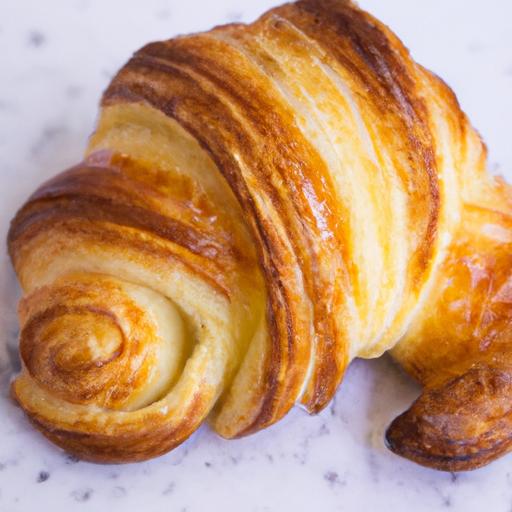

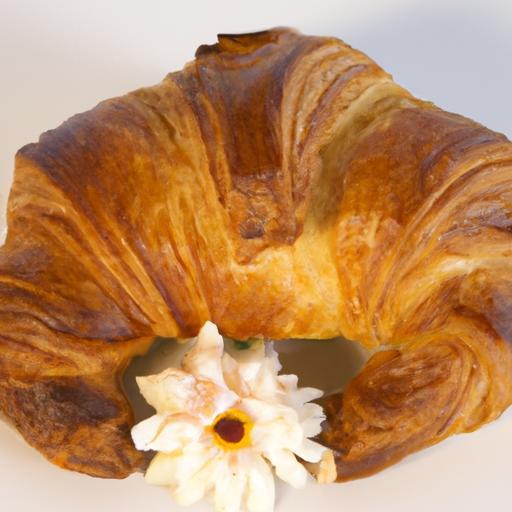
In the delicate world of pastry, where tradition meets innovation, a new masterpiece has begun too blossom: the Croissant en Fleur. More than just a breakfast staple, this artisanal creation transforms the humble croissant into an exquisite floral spectacle, marrying craftsmanship with artistry. “The Art of Croissant en Fleur: Baking Blooms Unveiled” invites you to explore the intricate techniques, history, and inspiration behind these buttery, petal-like delights. Join us on a journey through layers of flaky dough and fragrant aromas, where each fold unfolds like a blooming flower, turning every bite into a party of both flavor and form.
Mastering the dough delicately layered for floral perfection takes patience and finesse, but the reward is a breathtaking Croissant en Fleur that unfolds like a blossoming garden on your plate.This delicate pastry art elevates the classic croissant into a visual masterpiece,capturing the essence of a flower through buttery layers and precise shaping. Inspired by French baking traditions and botanical beauty, this technique transforms simple ingredients into edible blossoms that will enchant every guest at your table.
Prep and cook Time
- Preparation: 3 hours (including dough resting and laminating)
- Active hands-on time: 1 hour 30 minutes
- Baking: 18-22 minutes
Yield
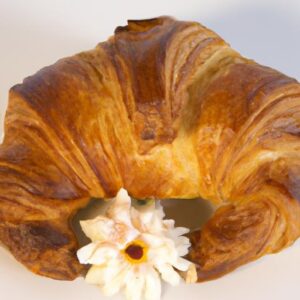
- 6 croissant flowers (servings)
Difficulty Level
- Advanced: Best attempted by bakers familiar with laminated dough, layering, and sculpting techniques.
Ingredients
- 3 ½ cups all-purpose flour, sifted
- 1/4 cup granulated sugar
- 2 tsp instant yeast
- 1 tsp fine sea salt
- 1 ¼ cups whole milk, warm (90°F/32°C)
- 1 tbsp unsalted butter, melted
- 1 cup unsalted butter (cold, for laminating), cut into thin slabs
- 1 large egg (for egg wash)
- 1 tbsp water (for egg wash)
- Optional: 2 tbsp almond paste or fruit preserves (apricot or raspberry) for infusing flavor
Instructions
- Prepare the Dough: In a large mixing bowl, whisk together flour, sugar, yeast, and salt. gradually add warm milk and melted butter, stirring until a rough dough forms.Knead by hand or mixer for 8 minutes until smooth but slightly sticky. Place dough in a lightly greased bowl, cover with plastic wrap, and let rest in refrigerator for 30 minutes to firm up.
- Laminate with Precision: On a chilled surface, roll dough into a 12×12 inch square. Position the cold butter slabs in the center and fold the dough like an envelope to encase the butter fully. Gently roll out to a 20×10 inch rectangle. Fold the dough into thirds (like a letter), rotate 90°, then roll out again. Repeat this folding and rolling process three times in total, chilling dough 15-20 minutes between each turn to maintain sharp layers.
- Shape the Petals: Once laminated dough is ready, roll it to ¼ inch thickness into a large rectangle. Cut 6-7 thin strips, about 1 inch wide and 8 inches long. Using a sharp paring knife, make notches along one edge of each strip to simulate delicate petals. Twist each strip gently, spiraling upward from one end to sculpt elegant floral shapes.
- Infuse Flavor Profiles: Before twisting,lightly spread almond paste or a thin layer of fruit preserve along strips if desired. These subtle accents complement the buttery richness and add nuanced sweetness without overpowering the delicate form.
- proof and Bake: Transfer shaped croissant flowers to a parchment-lined baking sheet. Cover loosely and proof at room temperature (75°F/24°C) for 1-1.5 hours or until doubled in size and puffy. Preheat oven to 375°F (190°C).Brush blossoms lightly with an egg wash mixed with water to create a golden glossy finish. Bake for 18-22 minutes until the petals are crisp,puffed,and golden brown.
- Finishing Touches: Once baked, cool slightly on a wire rack. If desired, dust with powdered sugar or brush with a light apricot glaze to add shine. Arrange on a delicate platter and garnish with edible flowers or fresh herbs like thyme or mint to enhance the floral theme.
Tips for Success
- Maintain cold butter and dough temperatures throughout laminating to ensure distinct flaky layers.
- Use a bench scraper to handle dough gently without compressing layers.
- Don’t skip chilling times-the dough needs rest to relax gluten and keep its shape.
- Practice making a few petal cuts on scrap dough before shaping your final flowers for better control.
- For a dairy-free version, substitute milk with almond or oat milk and use vegan butter.
- Make croissant flowers a day ahead; freeze after shaping and bake fresh when needed.
Serving Suggestions
Present your Croissant en Fleur on a rustic wooden board or delicate porcelain plate. Pair with a dollop of whipped honey butter or a small bowl of seasonal berry compote.A light dusting of edible rose petals or lavender buds intensifies the botanical impression, making this pastry an irresistible centerpiece for brunch or afternoon tea.
| Nutrient | Per Serving (1 flower) |
|---|---|
| Calories | 320 kcal |
| Protein | 6 g |
| Carbohydrates | 32 g |
| Fat | 18 g |
Explore more: Dive deeper into artisan laminated dough techniques with our Ultimate Guide to Laminated Dough. For scientific insights on butter layering, see this ScienceDaily article on laminated dough structure.

Q&A
Q&A: The Art of Croissant en Fleur - Baking Blooms Unveiled
Q1: What exactly is a Croissant en Fleur?
A1: Imagine a croissant transformed into a delicate, edible flower. Croissant en Fleur is a masterful twist on the classic flaky pastry, shaped and layered to resemble blossoming petals.Its both a feast for the eyes and the palate, showcasing artistry through dough and butter.
Q2: How does the shaping technique differ from a conventional croissant?
A2: While a traditional croissant is typically crescent-shaped, the Croissant en Fleur involves an intricate rolling and cutting process. dough is layered with butter, sliced into petal-like strips, and carefully twisted or arranged to mimic a floral pattern. This technique emphasizes precision and patience, turning baking into sculpture.
Q3: What kind of dough is used to create such delicate petals?
A3: The base remains a laminated croissant dough, rich with layers of butter and dough folded meticulously to create flakiness. the challenge lies in maintaining elasticity and preventing the petals from breaking during shaping and baking, so the dough is often rested and chilled appropriately between steps.
Q4: Are there special tips for maintaining this floral shape during baking?
A4: Absolutely! Controlling oven temperature is crucial. Too hot, and the petals may brown unevenly or lose definition; too cool, and the dough won’t puff correctly. Additionally,gently brushing the petals with egg wash enhances the golden hue without overwhelming the delicate structure.
Q5: Can fillings be incorporated into a Croissant en Fleur?
A5: yes! Fillings can add a burst of flavor within the petals. Options include almond cream, fruit preserves, or delicate chocolate. Though, it’s vital the filling isn’t too heavy or runny, as it could compromise the shape or texture. Filling is usually added in small amounts to maintain balance.
Q6: What occasions are ideal for serving Croissant en Fleur?
A6: These floral pastries are showstoppers for brunches, bridal showers, or elegant tea parties-any event where presentation delights as much as taste. Their artistic appeal makes them perfect for moments when you want to impress guests with both craft and flavor.
Q7: Is Croissant en Fleur suited for novice bakers?
A7: While the concept is accessible, the execution requires some experience with laminated dough and patience in shaping. Beginner bakers might want to start with standard croissants before venturing into the floral design. Practice and attention to detail will yield beautiful results over time.
Q8: What creative variations can bakers experiment with?
A8: Beyond classic butter rounds, bakers can infuse the dough with matcha powder for a green hue, dust petals with cinnamon sugar, or create savory versions stuffed with cheese and herbs. The flower motif invites endless creativity,marrying aesthetics with diverse tastes.
Q9: How does this pastry connect tradition with innovation?
A9: Croissant en Fleur honors the time-honored craft of French pastry lamination while elevating it into edible art. It bridges classic techniques with contemporary design, offering a fresh way to experience croissants that delights both the eye and the soul.
Prepare to bloom in your kitchen with Croissant en Fleur-a beautiful journey into the art of baking that lets your creativity blossom,one petal at a time.
In Summary
As the flaky layers of a perfectly crafted croissant en fleur unfold, so too does the artistry behind this culinary bloom. More than just a pastry, it is a harmonious blend of technique, patience, and imagination-a testament to how baking can transform simple ingredients into edible works of art. Whether you’re a seasoned baker or a curious enthusiast, embracing the intricate dance of dough and design invites you to celebrate the beauty of creation in every golden petal. So, next time you bite into a croissant shaped like a blossoming flower, remember: you’re savoring not just a treat, but a story baked in bloom.