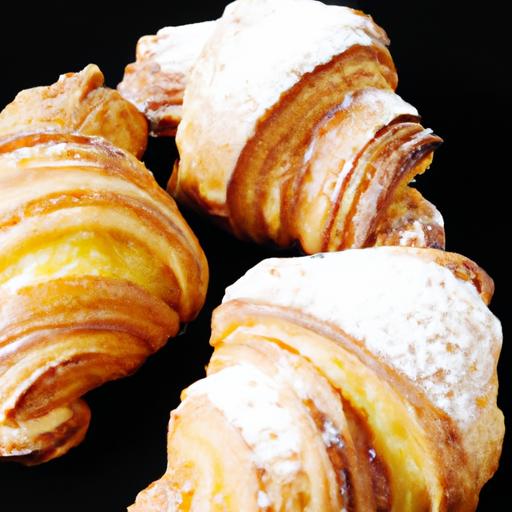

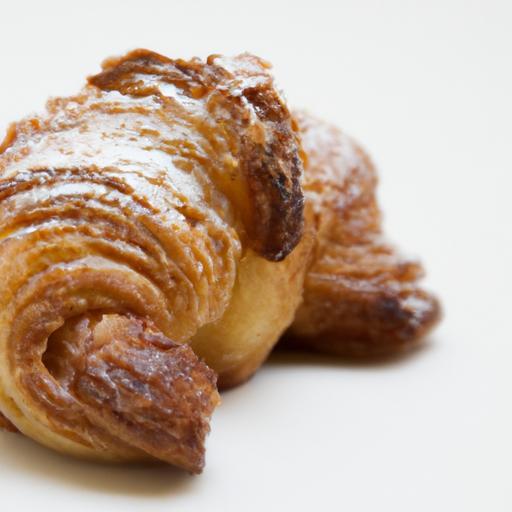
There’s a certain magic in the marriage of flaky,buttery pastry and silky,luscious cream-a harmony that croissant crème pâtissière captures with effortless elegance. This delicate French confection isn’t just a treat; it’s an art form, where layers of golden croissant embrace a velvety custard filling known as crème pâtissière. Beneath its seemingly simple appearance lies a world of technique, tradition, and sensory delight. In this article, we’ll unravel the secrets behind crafting this creamy masterpiece, exploring the history, the meticulous process, and the irresistible allure that makes the croissant crème pâtissière a beloved indulgence in patisseries around the world. Prepare to embark on a journey through texture, flavor, and the timeless charm of a truly decadent delight.
The Art of Croissant Crème Pâtissière invites you on a journey to craft irresistibly flaky croissant dough paired with the luxuriant, silky crème pâtissière that transforms every bite into a creamy delight.Mastering the balance between light, buttery layers and decadently smooth pastry cream elevates your bakery creations to sublime heights. Steeped in French tradition yet approachable for home bakers, this recipe reveals key techniques to perfect both components and weave them seamlessly together for irresistible flavor and texture.
prep and Cook Time
- Preparation: 4 hours (including dough resting and chilling)
- Cook time: 20 minutes baking + 15 minutes for crème pâtissière cooking
Yield

10-12 filled croissants
Difficulty Level
Advanced (requires patience and precise lamination)
Ingredients
- For the Croissant Dough:
- 4 cups all-purpose flour, sifted
- 1/2 cup whole milk, warmed (about 95°F / 35°C)
- 1/4 cup granulated sugar
- 2 tsp active dry yeast
- 1 1/2 tsp salt
- 3 tbsp unsalted butter, softened
- 1 1/4 cup unsalted butter (cold, for laminating)
- For the Crème Pâtissière:
- 2 cups whole milk
- 1 vanilla bean or 1 tsp pure vanilla extract
- 6 large egg yolks
- 3/4 cup granulated sugar
- 1/4 cup cornstarch
- 2 tbsp unsalted butter, softened
- Optional flavor variations: zest of 1 lemon or orange, 1 tbsp coffee powder, or a splash of almond extract
Instructions
- Activate the Yeast: In a small bowl, combine warm milk, yeast, and 1 tsp sugar.Let sit 5-7 minutes until foamy and bubbly,signaling the yeast is alive.
- Prepare Dough: in a large mixing bowl, whisk flour, remaining sugar, and salt. Add softened butter and the yeast mixture.Knead until a smooth,elastic dough forms (about 8-10 minutes by hand or 5 minutes with a stand mixer). Shape into a ball, cover tightly, and refrigerate for 1 hour.
- Prepare Butter Block: Place cold butter between two sheets of parchment paper. Using a rolling pin, pound and roll it into a 7×8-inch rectangle. Chill again if too soft.
- lamination – Fold and Roll: Roll out chilled dough on a lightly floured surface into a 14×8-inch rectangle. Place the butter block on one half of dough, fold over the other half to encase the butter. Seal edges firmly.
- Roll into a 24×8-inch rectangle carefully, then fold into thirds like a letter (this is one “turn”). Wrap in plastic and chill 30 minutes. Repeat rolling and folding two more times, chilling between turns.
- Shape Croissants: After the final chill, roll the dough into a thin 20×10-inch rectangle. Cut into triangles approximately 5 inches wide at the base. Gently stretch each triangle, then roll from base to tip, shaping classic croissants.Place on parchment-lined trays, tip tucked underneath.
- Proof: Cover loosely and leave croissants to rise at room temperature for 1.5-2 hours, or until nearly doubled in size and puffy.
- Bake Croissants: Preheat oven to 400°F (200°C). Brush croissants lightly with egg wash for a golden crust. Bake 15-20 minutes until deep golden brown and flaky. Cool wholly on wire racks.
- Prepare crème Pâtissière: Heat milk with vanilla bean seeds and pod (or vanilla extract) just to a simmer. Remove from heat and let infuse 5 minutes.
- Whisk egg yolks, sugar, and cornstarch until pale and smooth.Gradually pour warm milk into yolk mixture, whisking constantly. Return to saucepan and cook on medium,stirring continually,until thick and glossy (about 3-5 minutes). Remove vanilla pod, stir in butter for silkiness. Transfer to bowl, cover with plastic wrap on surface to prevent skin, cool to room temperature.
- Fill Croissants: Using a piping bag fitted with a small round tip, carefully inject crème pâtissière into the center of each croissant. Alternatively, slice open and spoon cream inside.
Tips for Success
- Keep ingredients cold during lamination to create those signature delicate layers; refrigeration between turns is crucial.
- For even flakiness,avoid over-kneading the dough; handle gently after butter incorporation.
- If crème pâtissière appears lumpy, whisk vigorously off heat or strain through a fine sieve.
- Make crème pâtissière a day ahead to deepen flavor; just re-whisk before filling.
- Wont a flavored crème? Stir in zest or a teaspoon of espresso powder after cooking but before chilling.
- Need to freeze? Freeze baked croissants and thaw before filling to maintain perfect texture.
Serving Suggestions
serve these luscious croissants slightly warm for the ultimate experience – the buttery layers and creamy filling will melt delightfully on your palate. Dust with powdered sugar or a delicate glaze of apricot jam for shine.Garnish with fresh berries or edible flowers for a brunch-worthy presentation. Pair with a hot cup of aromatic coffee or a steamed latte for a true French café vibe that instantly elevates your table.
| nutrient | Per Croissant (Approx.) |
|---|---|
| calories | 430 kcal |
| Protein | 7 g |
| Carbohydrates | 40 g |
| Fat | 25 g |

Discover more artisan pastry recipes like Artisan Pastry Techniques for Home Bakers to keep expanding your baking repertoire. For science-based advice on yeast and dough fermentation, visit King Arthur Baking’s Guide.
Q&A
Q&A: The Art of croissant Crème Pâtissière: A Creamy delight
Q1: What makes a croissant filled with crème pâtissière so special compared to a plain croissant?
A1: A plain croissant is a masterpiece of flaky, buttery layers, but when filled with crème pâtissière, it transforms into a luxurious treat. The silky,vanilla-infused custard adds a creamy richness that contrasts beautifully with the croissant’s crisp exterior,creating a symphony of textures and flavors in every bite.
Q2: Can you explain what crème pâtissière is and why it’s perfect for croissant filling?
A2: Crème pâtissière,or pastry cream,is a classic French custard made from milk,eggs,sugar,vanilla,and a touch of cornstarch or flour to thicken. It’s velvety, smooth, and mildly sweet-traits that make it ideal for piping inside croissants, where it holds its shape without overwhelming the delicate pastry.
Q3: How can home bakers successfully combine croissants with crème pâtissière without making a mess?
A3: The secret is patience and technique. first, make sure your crème pâtissière is fully cooled and thickened-it should be thick enough to pipe without oozing. Then, use a small piping tip to gently fill the croissants through a tiny hole in the side or bottom. This lets the custard settle inside without bursting the pastry open.
Q4: Are there variations of crème pâtissière that complement the croissant differently?
A4: Absolutely! while traditional vanilla is classic, you can infuse your crème pâtissière with hints of citrus zest, coffee, or even matcha powder for a unique twist. Each variation adds depth and character, enhancing the croissant’s flavor while keeping that creamy essence intact.
Q5: What is the best type of croissant to use for filling with crème pâtissière?
A5: Opt for a freshly baked,flaky croissant with a sturdy structure-classic French-style buttery croissants work wonders. They have enough resilience to hold the custard without becoming soggy, and thier layers provide the perfect crisp softness balance that creates that “wow” factor.
Q6: how should croissants filled with crème pâtissière be stored to preserve freshness?
A6: Since crème pâtissière contains dairy and eggs, refrigerated storage is essential. place the filled croissants in an airtight container and keep them chilled to maintain the custard’s texture and safety. For best taste, enjoy them within 24 hours, when the croissant remains fresh and the filling’s creaminess is at its peak.
Q7: Can crème pâtissière-filled croissants be enjoyed warm, or are they best eaten cold?
A7: These croissants are delightful either way! Eating them slightly chilled lets you appreciate the custard’s smooth texture fully. Warming them briefly-just a few seconds in the microwave-softens the pastry and makes the filling luxuriously gooey. Just avoid overheating to prevent the custard from breaking down.
Q8: What inspired the combination of croissants with crème pâtissière historically?
A8: The pairing is rooted in French patisserie tradition, where perfection in texture and flavor harmony reigns supreme. The croissant’s delicate layers and the custard’s creamy richness represent two culinary crafts merged-celebrating indulgence with elegance. It’s a testament to how simple ingredients can become exceptional when thoughtfully combined.
Q9: Are there any tips for making crème pâtissière from scratch at home?
A9: Yes! Freshness is key-use quality vanilla beans or pure extract for maximum aroma. Whisk constantly while cooking the custard to avoid lumps and prevent the eggs from scrambling. Once thickened, cover the surface with plastic wrap to stop a skin from forming as it cools.
Q10: Beyond croissants, what other pastries benefit from crème pâtissière filling?
A10: Crème pâtissière is incredibly versatile-it’s the heart of éclairs, mille-feuille, fruit tarts, and profiteroles. Its creamy texture and mild sweetness bring balance to many pastries, elevating them with rich flavor and a luxurious mouthfeel.
This Q&A explores the creamy allure of croissants filled with crème pâtissière,revealing the artistry behind a timeless French delight that continues to enchant dessert lovers worldwide.
Final Thoughts
In the delicate dance of flaky layers and luscious filling,the croissant crème pâtissière stands as a timeless testament to culinary artistry.Mastering this creamy delight is more than a recipe-it’s a celebration of technique, patience, and passion. Whether enjoyed as a morning indulgence or a decadent dessert, each bite tells a story of craftsmanship and flavor harmony. So next time you unwrap a golden croissant brimming with velvety crème pâtissière, savor not just the taste, but the art that transforms simple ingredients into an extraordinary experience.