
There’s something undeniably magical about the aroma of smoked cornbread-an earthy, golden loaf that carries whispers of crackling wood and sun-soaked fields. More than just a humble side dish, smoked cornbread is a culinary canvas where tradition meets technique, and flavour unfolds in smoky layers that delight the senses. In this article, we’ll journey into the heart of this Southern staple, exploring both the artful craftsmanship and the scientific principles that unlock its rich, complex taste. Whether you’re a seasoned pitmaster or a curious home cook, prepare to discover how smoke transforms simple ingredients into an unforgettable experience.
Exploring the Flavor Foundations of Smoked Cornbread
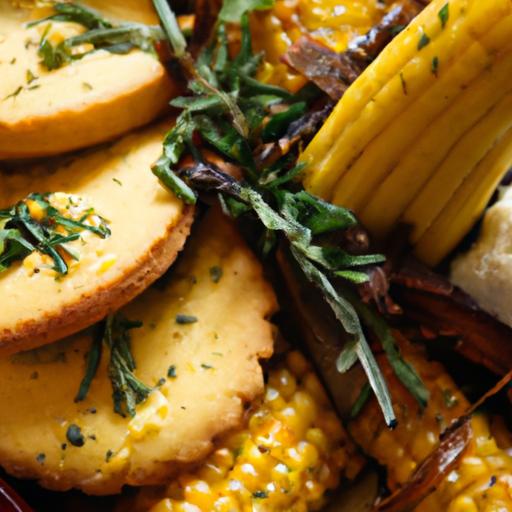
Unlocking Flavor begins with understanding the magic behind smoked cornbread’s irresistible appeal-a harmonious blend of rustic sweetness, smokey depth, and a tantalizingly crisp crust paired with a tender, moist crumb. Originating in Southern American kitchens where slow-cooked meals were a daily ritual, smoked cornbread transforms a humble staple into a gourmet sensation that captivates both the eye and palate.
As a Culinary Content Creator and Food Stylist, I’ve found that mastering the smoke techniques is the true key to elevating this classic. Each choice-from wood type to ingredient selection-builds layers of complexity that breathe new life into traditional recipes. This detailed guide will inspire you to create your own perfect loaf that delivers both visual beauty and unforgettable flavor.
Prep and Cook Time
- Readiness: 15 minutes
- Smoking & Baking: 50-60 minutes
- Resting Time: 10 minutes
- Total time: Approximately 1 hour 25 minutes
Yield
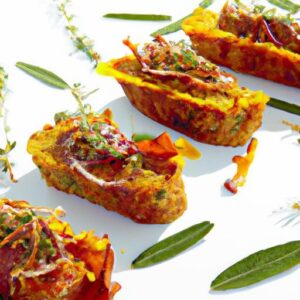
Serves 8 hearty portions-ideal for sharing alongside a smoky chili or vibrant greens.
Difficulty Level
Medium – perfect for passionate home cooks ready to dive into smoking techniques with a rewarding result.
Ingredients
- 1 cup yellow cornmeal, stone-ground for best texture
- 3/4 cup all-purpose flour, sifted
- 1/4 cup granulated sugar, balanced to enhance natural corn sweetness
- 1 tablespoon baking powder
- 1/2 teaspoon baking soda
- 1 teaspoon fine sea salt
- 2 large eggs, room temperature
- 1 cup buttermilk, well shaken
- 1/3 cup melted unsalted butter, cooled slightly
- 1 cup creamed corn, for moistness and extra corn flavor
- Optional: 2 tablespoons finely chopped fresh jalapeño for a subtle kick
Instructions
- Preheat your smoker to a steady 350°F (175°C). Use a smoker box or foil pouch if using a gas grill to hold wood chips.
- Choose your wood for smoking – hickory imparts a classic robust smokiness, applewood adds a sweet fruity aroma, and oak offers a balanced, medium smoke that won’t overpower the cornbread’s natural sweetness.
- In a large bowl, whisk together cornmeal, flour, sugar, baking powder, baking soda, and salt untill evenly combined.
- In a separate bowl, beat the eggs with buttermilk, melted butter, and creamed corn until smooth and integrated. If using jalapeños, fold them in here for a subtle, fresh heat.
- Pour the wet ingredients into the dry mix and gently combine with a spatula – overmixing can make the cornbread tough, so stir just until there are no dry spots.
- Grease an 8-inch cast iron skillet or heavy baking dish with butter to encourage the iconic crust progress.
- Pour the batter into the skillet, smoothing the top evenly. This ensures a uniform crust and crumb during smoking.
- Transfer the skillet to the smoker, placing it over indirect heat. Smoke the cornbread uncovered for 40-50 minutes, or until a toothpick inserted comes out clean and the crust is beautifully golden and slightly blistered.
- Remove from the smoker carefully and allow it to rest for 10 minutes. This resting period lets the crumb set perfectly while the smoky aroma deepens.
- Slice and serve warm, showcasing the alluring contrast between the crunchy, smoky crust and the moist, tender crumb inside.
Tips for Success: Mastering Smoke Techniques and Ingredient Balance
- Consistency is key. Maintain smoker temperature carefully. Fluctuations can affect crumbs and crust texture.
- Wood choice personalizes flavor. Experiment with mixing woods like apple and oak for layered aroma.Avoid strong woods like mesquite unless you prefer intense smokiness.
- Butter your baking vessel generously. A cast iron skillet brings authentic texture-but if unavailable,a ceramic dish works too with additional greasing.
- For gluten-free variations, swap all-purpose flour with a trusted gluten-free flour blend that includes xanthan gum for structure.
- Make ahead: Smoke the cornbread a day in advance and gently reheat in a low oven (300°F/150°C) to revive the crust without drying out the crumb.
Serving Suggestions
Present your smoked cornbread sliced thick and warm, with a pat of softened honey butter melting on top-its sweetness balancing the deep smoke flavors perfectly. Garnish with freshly chopped chives or a sprinkle of smoked paprika for a visual pop and a hint of spice.
This cornbread pairs decadently with rich, hearty stews, grilled vegetables, or a vibrant tomato and herb salad to contrast the savory smoke notes. For a crowd-pleasing touch, serve alongside a homemade chili (see our detailed Ultimate Smoky Vegetable Chili recipe) and watch the flavors sing beautifully in harmony.
| Nutrient | Per Serving (1 slice) |
|---|---|
| Calories | 220 kcal |
| Protein | 5 g |
| Carbohydrates | 30 g |
| fat | 8 g |

For more insights into smoking essentials and food pairing, visit Smoking Meat Forums,an authoritative site known for smoker setup and wood recommendations.
Q&A
Q&A: Unlocking Flavor: The Art and Science of Smoked Cornbread
Q1: What makes smoked cornbread different from traditional cornbread?
A: Smoked cornbread infuses the classic golden loaf with a subtle, savory depth that traditional baking methods simply can’t achieve. The exposure to wood smoke imparts complex aromatic notes-think hints of caramelized wood, earthiness, and a delicate smokiness-that elevate every crumb and create a multidimensional flavor experience.
Q2: Which types of wood are best for smoking cornbread, and why?
A: Fruitwoods like apple, cherry, and alder are popular choices as their smoke is mild and slightly sweet, complementing the natural sweetness of corn. Hickory or oak offer a stronger,more robust smoke but should be used sparingly to avoid overpowering the bread’s delicate texture and flavor. The key is to match the wood’s character with the cornbread’s profile for harmonious layering.
Q3: How does the smoking process affect the texture of cornbread?
A: Smoking introduces gentle heat and slow drying,which can create a slightly firmer crust while maintaining a moist,tender crumb inside. The slow cooking environment also allows the cornmeal to toast subtly, contributing to a nuttier, richer bite. The balance between smoke,heat,and moisture is crucial to avoid drying out the bread or creating a dense texture.
Q4: can smoked cornbread be made without a traditional smoker?
A: Absolutely! While a dedicated smoker is ideal, you can replicate the effect using a covered grill or even a stovetop smoking technique with a smoking box or foil pouch of wood chips. The goal is to introduce controlled smoke at a lower temperature for an extended period, so patience and monitoring are key when using alternative smoking setups.
Q5: What ingredients or techniques help the smoke flavor penetrate the cornbread?
A: A slightly moister batter allows smoke particles to settle more effectively into the loaf. Using buttermilk, yogurt, or even a bit of melted butter can help retain moisture and enrich texture.Additionally, letting the batter rest before cooking can enhance the cornmeal’s hydration, making the crumb more receptive to smoke. Incorporating spices like smoked paprika or ground cumin can amplify the smoky notes, playing harmoniously with the wood flavor.
Q6: Which dishes pair exceptionally well with smoked cornbread?
A: Smoked cornbread’s versatility makes it a fantastic companion for robust vegetarian chili, smoky roasted vegetables, or a smoky bean stew. It also shines alongside hearty mushroom ragouts or spicy black-eyed pea salads. The smoky undertones lend warmth and complexity that balance well with both savory and subtly sweet dishes.
Q7: Are there any common pitfalls to avoid when smoking cornbread?
A: One major pitfall is exposing the bread to too much smoke or high heat, which can result in an overpowering or bitter flavor. It’s important to maintain a low,steady temperature and use thin wood smoke. Another is drying out the cornbread by smoking for too long-monitoring internal temperature and texture (aiming for about 190°F inside) ensures a moist, tender loaf.
Q8: How can home cooks get creative with smoked cornbread recipes?
A: Experimenting with different cornmeal textures-from fine to coarse-can change the mouthfeel dramatically. Incorporating herbs like thyme or rosemary, or adding a touch of honey or maple syrup, can complement the smoky profile. You might even infuse the milk or buttermilk with smoked ingredients or spices for an added layer of complexity.
Q9: What is the science behind wood smoke enhancing cornbread’s flavor?
A: Wood smoke contains thousands of compounds, including phenols and aldehydes, which bind to the bread’s surface and penetrate the crumb when conditions allow. These molecules contribute aromatic complexity, impart subtle sweetness, and enhance savory umami notes. Additionally, slow smoking causes the Maillard reaction to intensify on the crust, deepening color and flavor.
Q10: How does the smoked cornbread experience connect to culinary traditions?
A: smoking is one of humanity’s oldest cooking techniques, historically used to preserve and flavor food.Incorporating it into cornbread-a staple of many cultures-honors this tradition while reinventing a beloved classic. It’s a celebration of patience and craft, transforming simple ingredients into a vibrant sensory story of smoke, hearth, and heritage.
Final Thoughts
As the smoky aroma lingers and the last crumb melts on your tongue,it becomes clear that smoked cornbread is more than just a side dish-it’s a harmonious blend of tradition,technique,and taste. Unlocking its flavor is both an art and a science, where carefully selected ingredients meet the transformative magic of smoke. Whether you’re a seasoned pitmaster or a curious kitchen explorer, embracing the smoky depths of cornbread invites you to savor a new dimension of comfort food. So next time you fire up the grill or the smoker, remember: each golden slice tells a story, waiting to be discovered bite by flavorful bite.