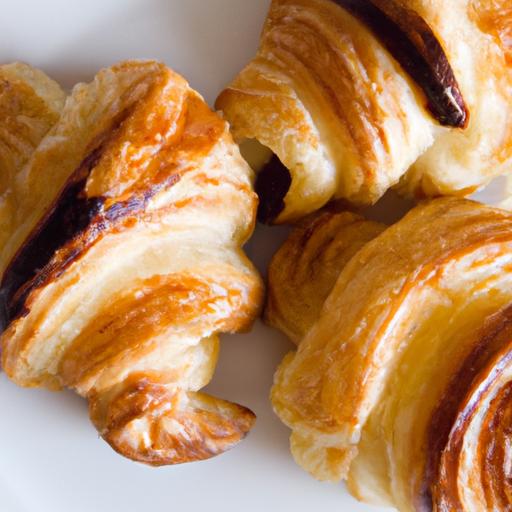



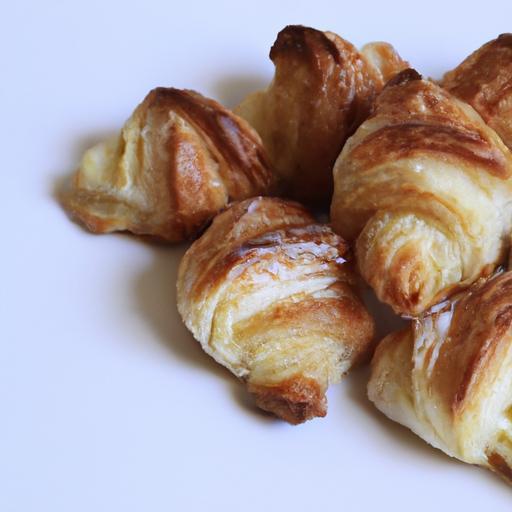
Flaky, buttery layers melting into a tender embrace-sweet croissant tartlets are a charming symphony of french pastry artistry. These delicate treats, with their golden crusts adn luscious fillings, capture the essence of a Parisian café experience in every bite.Combining the rich, airy texture of croissants with the elegance of dainty tartlets, this delightful dessert offers a perfect balance of sophistication and comfort. Whether enjoyed alongside a morning espresso or as a decadent afternoon indulgence, sweet croissant tartlets invite you to savor the timeless pleasures of French baking, where tradition meets irresistible flavor.
Sweet croissant tartlets capture the charm and indulgence of classic French patisserie, blending flaky, buttery layers with luscious sweet fillings that melt in your mouth. Crafting this delightful treat starts with mastering the croissant dough – a dance of delicate laminations and patient folds that promise a light, crunchy texture paired with tender crumb. Whether your aiming for a cozy breakfast or an elegant dessert, these tartlets are a canvas for luscious fruit jams, velvety creams, and rich nut pastes that elevate every bite.
Prep and Cook Time
- Preparation: 4 hours (including dough resting and lamination)
- Active cooking: 30 minutes
- Total Time: Approximately 4 hours 30 minutes
Yield
8-10 sweet croissant tartlets, depending on tartlet size
Difficulty Level
Advanced – requires patience and attention to detail, but the results are truly rewarding
Ingredients
- For the Flaky Croissant Dough:
- 3 ½ cups all-purpose flour, sifted
- ¼ cup granulated sugar
- 2 teaspoons fine sea salt
- 1 tablespoon instant yeast
- 1 ¼ cups whole milk, cold
- 12 tablespoons unsalted butter, chilled, for laminating
- 1 egg, beaten with 1 tablespoon water (egg wash)
- Sweet Filling Suggestions:
- Classic raspberry jam or apricot preserves
- Pastry cream or vanilla custard
- Almond frangipane (almond cream)
- Fresh berries or thinly sliced stone fruits for garnish
Instructions
- Prepare the dough: In a large bowl, whisk together flour, sugar, salt, and yeast. Slowly add cold whole milk, mixing until just combined. Knead gently for 5 minutes until the dough is smooth but slightly sticky. Shape into a rectangle, wrap in plastic, and chill for 30 minutes.
- Laminate the butter: Flatten the chilled butter between parchment sheets into a 7×7 inch square. Keep chilled but pliable.
- Incorporate butter: Roll dough into a 12×8 inch rectangle. Place butter block in the center, folding the dough edges over to encase the butter completely.
- Rolling and folding: Roll the dough into a 20×8 inch rectangle. Perform a letter fold (fold one-third over the center, then fold the remaining third over). Wrap in plastic and chill 30-45 minutes. Repeat the rolling and letter fold two more times, chilling between each fold. This lamination creates layers essential for flakiness.
- Rest and rise: After the final fold, chill the dough for at least 1 hour. When ready, roll to ¼ inch thickness.
- Shape tartlets: Cut dough into 3-4 inch circles. gently press into tartlet pans or muffin tins, pushing dough up sides to create shells.Prick bases with a fork.
- Pre-bake tart shells: Chill shaped tartlets 15 minutes, then bake at 375°F (190°C) for 12-15 minutes until lightly golden but not fully baked.
- Add fillings: Remove shells from oven and fill with your choice of preserves, pastry cream, or frangipane. For fruit toppings, add fresh berries or sliced fruit on top.
- Final bake: Return tartlets to oven for 8-10 minutes, just enough to meld flavors and finish crisping. Brush edges with egg wash before final bake for a shiny golden crust.
- Cool and serve: Allow tartlets to cool slightly on wire racks. Optionally dust with powdered sugar or brush fruit with warmed apricot glaze for an elegant finish.
Chef’s notes & tips for Success
- Temperature control is key: keep butter and dough cold at all times to ensure crisp, flaky layers without merging during baking.
- Use cold milk to slow yeast activity initially, allowing gentle fermentation and better texture.
- Practice gentle rolling: Too much pressure can squash layers; roll evenly and patiently.
- Customize fillings by using seasonal fresh fruit or high-quality pastry cream for deeper flavor.
- Make dough up to the lamination step ahead and freeze tightly wrapped for up to 2 weeks.Thaw in fridge overnight before continuing.
- For a nutty twist,sprinkle a thin layer of ground almonds on tartlet base before adding sweet fillings.
Serving suggestions and Pairings
Present your sweet croissant tartlets on a delicate dessert platter garnished with fresh mint leaves and edible flowers for a refined, Parisian café feel.
- Pair with a cup of rich, black coffee or a smooth hot chocolate for morning or afternoon delight.
- Serve alongside a small bowl of whipped cream or vanilla ice cream to balance the pastry’s buttery crunch with creamy softness.
- Drizzle lightly with honey or a dusting of fine sugar for added sparkle and sweetness.
These tartlets also shine as part of a brunch buffet, inviting guests to savor their perfect flakiness and luscious fillings with every bite.
| Nutritional Info (per tartlet) | Calories | Protein | Carbs | Fat |
|---|---|---|---|---|
| Sweet Croissant Tartlet | 320 kcal | 5 g | 34 g | 18 g |

For more decadent French pastry inspiration, explore our article on Classic French Puff Pastry Techniques to perfect your baking repertoire.
Q&A
Q&A: Sweet Croissant Tartlets – A Delightful French Pastry Treat
Q1: What exactly are sweet croissant tartlets?
A1: Sweet croissant tartlets are miniature pastries that marry the flaky, buttery layers of a classic croissant with the charm of a tartlet shape.Imagine the rich, airy texture of croissant dough hugging luscious fillings like fruit preserves, custard, or chocolate-these bite-sized delights are perfect for a elegant breakfast, a charming dessert, or an elegant tea-time snack.
Q2: How do croissant tartlets differ from conventional croissants?
A2: While traditional croissants are crescent-shaped and frequently enough enjoyed plain or filled, croissant tartlets transform the croissant dough into a petite tart form. The dough is pressed or shaped into small tart pans, then baked with sweet fillings inside. This combination offers an exciting twist: the satisfying layers of a croissant paired with the structured yet tender consistency of a tart.
Q3: What ingredients are typically used in sweet croissant tartlets?
A3: The core ingredient is classic croissant dough-rich with butter, flour, yeast, sugar, and salt. For the fillings, popular choices include creamy custards, fresh berries, stone fruits like apricots or peaches, almond cream (frangipane), or chocolate ganache.A final dusting of powdered sugar or a glaze frequently enough crowns these beauties for extra sweetness and shine.
Q4: Can sweet croissant tartlets be made ahead of time?
A4: Absolutely! You can assemble the tartlets a few hours in advance and store them in the refrigerator. This allows the flavors to meld beautifully. For best texture, warm them slightly before serving so the croissant dough regains its flakiness and the filling softens invitingly.
Q5: Are sweet croissant tartlets arduous to make at home?
A5: Making croissant dough from scratch is a rewarding but intricate endeavor due to its laminating process-folding butter into dough multiple times to create flaky layers. Though, once you have the dough ready, forming tartlets and adding sweet fillings is relatively straightforward. For beginners, starting with store-bought croissant dough offers a tasty shortcut to experiment with these treats.
Q6: What occasions are ideal for serving sweet croissant tartlets?
A6: Their petite size and elegance make sweet croissant tartlets perfect for brunch gatherings, bridal showers, festive holidays, or any occasion calling for a touch of french sophistication.Their delightful appearance and rich taste also make them a memorable addition to dessert tables.
Q7: Can the fillings be customized?
A7: Moast definitely! Sweet croissant tartlets are versatile.You can fill them with seasonal fruits, nut butters, flavored creams, or even unexpected combinations like lavender-infused custard or spiced apple compote. The key is balancing sweetness with textures that complement the delicate croissant layers.
Q8: How should sweet croissant tartlets be stored?
A8: To maintain freshness, store tartlets in an airtight container in the refrigerator for up to two days. If they contain custard or fresh fruit, refrigeration is essential. Before serving, allow them to come to room temperature or warm gently for optimal flavor and texture.
Q9: What makes croissant dough unique in the world of pastries?
A9: Croissant dough is famed for its buttery laminated layers, which create a delicate, flaky texture unlike any other pastry. This dough involves folding cold butter into the dough multiple times, building hundreds of super-thin layers. When baked, these layers puff up and crisp beautifully, offering a melt-in-your-mouth experience that elevates any tartlet filling it embraces.Q10: Where does the idea of combining croissants with tartlets come from?
A10: While croissants and tartlets are traditional staples of French baking, innovative pastry chefs have long enjoyed blending textures and forms to surprise and delight. The sweet croissant tartlet is a modern creation that showcases classic techniques while inviting fresh, creative expressions of flavor, texture, and form-celebrating the art of French pastry in a new, bite-sized way.
In Retrospect
As the delicate layers of buttery pastry meet the sweet embrace of luscious fillings, sweet croissant tartlets invite us to savor a little piece of French elegance in every bite. Whether enjoyed as a charming breakfast treat or an indulgent dessert, these delightful pastries embody the perfect harmony of texture and flavor that has long captivated pastry lovers around the world. So next time you crave a taste of Parisian charm, remember that these croissant tartlets offer not just a dessert, but a delicious journey through the art of French patisserie-one flaky, sweet morsel at a time.