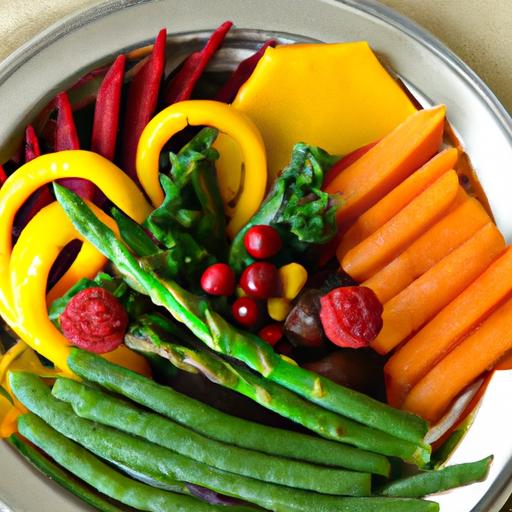


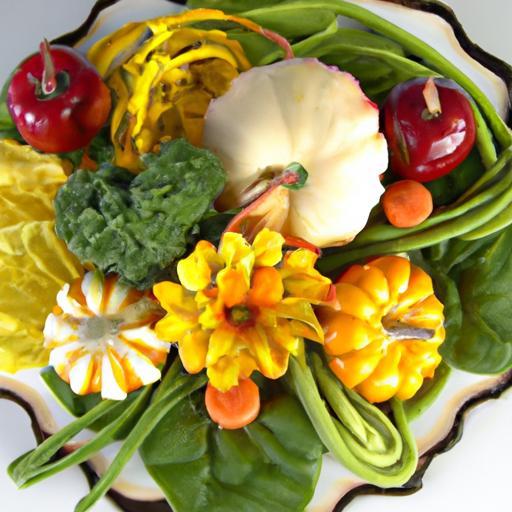
As the rhythm of the seasons shifts, so too does nature’s vibrant palette, offering an ever-changing bounty of fresh vegetables that celebrate the harvest’s peak. Seasonal vegetable platters are more than just a feast for the eyes-they’re a party of flavor, texture, and the rich stories rooted in the earth beneath our feet. From the crisp snap of autumn’s heirloom carrots to the tender sweetness of spring peas, these colorful arrangements invite us to savor the freshest tastes of the season, while embracing the wholesome goodness and nutritional vitality that only nature at its prime can deliver. Join us as we explore the art and science of creating seasonal vegetable platters that not only nourish the body but also connect us to the natural cycles that sustain us all.
Seasonal vegetable platters invite us to celebrate the rich, vivid tapestry that nature offers throughout the year. Embracing the freshest harvest means selecting vegetables at the peak of flavor and texture,making every bite a joyful dance of colors and tastes. Whether crisp spring snap peas, vibrant summer heirloom tomatoes, hearty autumn root vegetables, or tender winter greens, each season brings its own palette and personality to your platter.
Selecting Vibrant Vegetables to Celebrate Every Season
When crafting seasonal vegetable platters, think beyond routine carrots and celery. Explore the market or farmers’ stalls and choose a spectrum of vegetables that offer varied textures and colors: the crunch of radishes, the buttery softness of roasted cauliflower, or the jewel tones of purple carrots. Freshness is key-look for crispness, bright hues, and firm textures to ensure each vegetable performs as both a flavor star and a visual highlight.
Prep and Cook Time
- Preparation: 20 minutes
- Optional Cooking (roasting/blanching): 15 minutes
- Total Time: 35 minutes
Yield
Serves 6-8 as an appetizer or snack
Difficulty Level
Easy - perfect for beginners and seasoned hosts alike
ingredients
- 1 cup purple cauliflower florets, washed and trimmed
- 1 cup baby carrots, peeled
- 1 cup sugar snap peas, ends trimmed
- 1 cup multicolor cherry tomatoes, halved
- 1 cup cucumber slices, preferably English cucumber
- 1 cup radishes, thinly sliced
- 1 ripe avocado, sliced (for garnish)
- Fresh herbs: 1 tablespoon finely chopped dill and basil
- Sea salt & freshly cracked black pepper, to taste
- For the dips and spreads:
- 1/2 cup hummus (classic or roasted red pepper)
- 1/2 cup tzatziki
- 1/2 cup beetroot and walnut dip
Instructions
- Prepare the vegetables: Rinse and dry all vegetables thoroughly. Trim the ends as needed, and slice radishes and cucumbers into uniform pieces for ease of dipping and an elegant look.
- Cook optional vegetables: For softer textures, blanch purple cauliflower and baby carrots in boiling salted water for 2 minutes, then plunge into ice water to maintain crunch and color. Drain well before arranging.
- Arrange the platter: Choose a large wooden board or a colorful ceramic tray as your canvas. Begin placing vegetables by alternating colors and textures-cluster the sugar snap peas alongside bright cherry tomatoes, nestle radish slices near avocado for contrast, and fan cucumbers and carrots for height variation.
- Add fresh herbs: Lightly sprinkle chopped dill and basil over the platter to impart fresh aromas and add a pop of green that ties the vegetables together.
- Place dips strategically: Spoon hummus, tzatziki, and beetroot dip into small ramekins. Space them evenly around the platter so every vegetable bite can be complemented by a fresh, flavorful dip.
- Final touches: Garnish with a few avocado slices, a sprinkle of sea salt, and a grind of black pepper for contrast. Optional: drizzle a light olive oil spray for a glossy finish and added richness.
Tips for Success
- To enhance color vibrancy, soak sliced radishes in ice water for 10 minutes before assembling the platter.
- Roasting certain vegetables like cauliflower or carrots beforehand deepens their sweetness and imparts a pleasing caramelized note-try roasting at 400°F (200°C) for 15 minutes with a drizzle of olive oil and a pinch of smoked paprika.
- If you prefer crisp textures, avoid over-blanching vegetables; a fast dunk followed by ice water keeps them lively and fresh.
- Make the dips a day ahead to enhance flavor melding, and keep covered in the refrigerator.
- Experiment with seasonal herbs: in late summer, try fresh mint or tarragon to elevate the bright flavors.
Serving Suggestions
Serve your seasonal vegetable platters chilled or at room temperature. Present with rustic bread slices or warm pita to add heartiness. Use edible flowers like nasturtiums or pansies to add whimsy and fresh floral notes. Encourage guests to try pairings-creamy beetroot dip with snap peas or tzatziki with carrots creates a stunning harmony of taste and texture. This display is a natural conversation starter and perfect for casual gatherings or elegant soirées alike.

| Nutrient | Per Serving |
|---|---|
| Calories | 120 |
| Protein | 4g |
| Carbohydrates | 15g |
| Fat | 6g |
Discover more vegetable-forward ideas and creative party food inspiration in our Healthy Summer snacks article.For detailed tips on vegetable nutrition and seasonal selection, visit the USDA’s vegetable Guide at ChooseMyPlate.gov.
Q&A
Q&A: seasonal Vegetable Platters - Fresh flavors of the Harvest
Q1: What makes a seasonal vegetable platter different from a regular veggie tray?
A1: A seasonal vegetable platter celebrates the bounty of the harvest at a particular time of year, highlighting vegetables that are at their peak freshness, flavor, and nutritional value. Unlike generic veggie trays that rely on year-round staples, a seasonal platter is a vibrant expression of nature’s cycle, offering unique textures and tastes that change with each season.
Q2: Why should I choose seasonal vegetables for my platter?
A2: Seasonal vegetables not only taste better-they’re often more affordable and environmentally lasting. Eating seasonally ensures you’re enjoying produce when it’s naturally ripe and nutrient-rich, creating a more vibrant and flavorful experience. Plus, it supports local farmers and reduces the carbon footprint associated with long-distance food transport.Q3: Can you give some examples of vegetables that work well in seasonal platters throughout the year?
A3: Absolutely! In spring, think tender asparagus, snap peas, and radishes bursting with peppery zest. Summer platters shine with colorful heirloom tomatoes,sweet corn,and crunchy cucumbers. Fall offers roasted or fresh root vegetables like carrots, beets, and Brussels sprouts, frequently enough paired with hearty kale or cauliflower. Winter invites the sweetness of roasted squash, crisp fennel, and colorful bell peppers to brighten the cold months.
Q4: How can I make my vegetable platter visually appealing?
A4: The secret lies in color, shape, and arrangement. Use a rainbow of vegetables-from deep purple eggplants to bright orange carrots and vibrant green beans. Mix raw, blanched, and roasted vegetables to add textural contrast. Arrange items in patterns or clusters, using sturdy greens like kale as a natural “bed.” Garnishes like fresh herbs, edible flowers, or a sprinkle of seeds can elevate the presentation instantly.
Q5: What are some creative dips or accompaniments to pair with a seasonal vegetable platter?
A5: Think beyond the usual ranch! Try a creamy hummus infused with roasted garlic or roasted red pepper. A tangy yogurt and herb dip with dill and lemon zest complements crisp spring veggies beautifully. in cooler months, a warm babaganoush or a rich beetroot dip enhances the earthy flavors of roasted vegetables. Nut-based sauces like almond pesto or tahini blends add a luxurious, wholesome touch.
Q6: How can I make a seasonal vegetable platter suitable for a crowd or entertaining?
A6: Scale thoughtfully by including a variety of vegetables that cater to different tastes and textures-some crisp, some tender, some sweet, some savory. include plenty of colorful dips scattered in small bowls for easy sharing. Offering bite-sized portions like cherry tomatoes or mini roasted potatoes encourages mingling and nibbling. consider labeling vegetables, so guests discover and appreciate new seasonal varieties.
Q7: Can I incorporate any herbs or garnishes to enhance the flavors?
A7: Definitely! Fresh herbs like basil, parsley, thyme, or rosemary can brighten the flavors and add an aromatic flair. Sprinkle chopped herbs over roasted veggies or tuck whole sprigs into the platter for visual and taste appeal. Toasted seeds, nuts, or a drizzle of high-quality olive oil or balsamic glaze also bring a delightful finishing touch.
Q8: How do I ensure the freshness and crunchiness of vegetables on my platter?
A8: Prep is key! For crisp veggies, soak in ice-cold water before serving to revive freshness and crunch. Blanching tougher vegetables briefly and shocking them in cold water preserves vibrant color and texture. Store prepped veggies in an airtight container with a damp cloth or paper towel to maintain moisture. Serve the platter soon after assembling for optimal crispness.
Q9: Is it possible to make a vegetable platter that accommodates dietary restrictions?
A9: Absolutely. Vegetable platters are incredibly versatile and naturally fit many dietary needs-including vegan, gluten-free, and nut-free-depending on the dips and seasoning you select. To ensure inclusivity, offer a variety of dips free of common allergens and keep seasoning simple but flavorful. the abundance of fresh produce gives everyone a deliciously satisfying tasting experience.
Q10: What’s a fun way to personalize seasonal vegetable platters for different occasions?
A10: Tailor your vegetable choices and presentation to the event’s theme or season. For a festive holiday table, include bright red bell peppers, hearty kale, and decorative edible flowers. summer gatherings might inspire a rustic, picnic-style platter with corn on the cob and colorful cherry tomatoes.For a cozy fall party, roast your vegetables and serve with warming dips and a sprinkle of toasted pumpkin seeds. The options are endless-let your creativity follow the natural rhythms of the harvest!
Insights and Conclusions
As the seasons turn and the harvest unfolds its vibrant bounty, seasonal vegetable platters invite us to savor nature’s freshest offerings in their purest form.These colorful arrangements are more than just a feast for the eyes-they’re a celebration of the changing earth, a reminder of the rhythms that nourish our bodies and inspire our creativity.Whether brightly crisp spring greens or hearty autumn roots, each platter tells a story of the soil, sun, and season. Embracing these fresh flavors not only enriches our tables but also connects us to the garden’s ever-evolving palette, inviting us to taste the vrey essence of the harvest.