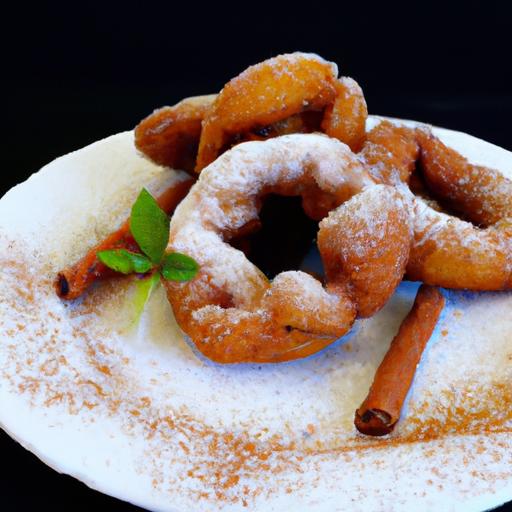
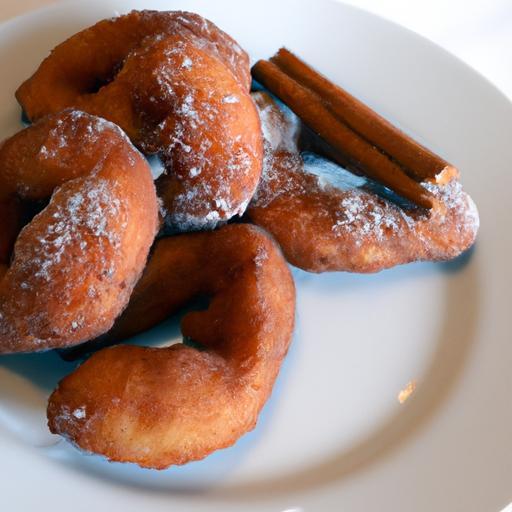
In the vibrant tapestry of Peruvian cuisine, few desserts capture the heart and heritage of the Andes quite like picarones. These golden,crispy rings of fried dough infused with pumpkin and sweet potato are more than just a treat-they’re a fragrant dance of cinnamon,warmth,and tradition. Often enjoyed sizzling fresh from bustling street carts or family kitchens, picarones offer a delightful glimpse into Peru’s rich culinary history, where indigenous ingredients meet colonial influences in a perfect, sweet harmony. Join us as we unravel the story behind Peru’s beloved picarones, exploring their origins, flavors, and the irresistible charm that keeps locals and visitors alike coming back for more.
Origins and Cultural Significance of Picarones in Peruvian Cuisine
Picarones are more than just a treat; they are a vibrant link to Peru’s rich culinary heritage. Originating during the colonial period,this beloved dessert embodies a fusion of indigenous Andean ingredients and Spanish influences. Traditionally enjoyed at festivals and street markets, picarones have become a symbol of celebration and communal spirit, bringing families and friends together with their warm, comforting aroma.
Crafted primarily from pumpkin and sweet potatoes, picarones honor Peru’s agricultural bounty.Their round, golden rings symbolize unity and abundance in many local festivities, making them a staple at cultural events and fairs. Beyond their sweet taste, picarones invite us to explore Peru’s dynamic history, where old-world techniques meld with native crops, crafting a unique pastry that remains vibrant in today’s cuisine.
Exploring the Perfect Balance of Pumpkin and cinnamon in Picarones Dough
The heart of exceptional picarones lies in the dough’s delicate harmony between pumpkin’s natural sweetness and the warming spice of cinnamon. Achieving this balance requires fresh, smooth pumpkin puree that lends moisture and softness without overpowering the batter. Cinnamon subtly weaves into the mixture, enhancing the earthy flavors and creating an irresistible aroma that fills yoru kitchen as it rests.
Combining pumpkin with a touch of sweet potato and all-purpose flour yields a dough with the perfect elasticity, allowing the picarones to puff slightly while frying. Yeast fermentation is key here, developing lightness and tangy complexity that complements the cinnamon’s spice. This nuanced flavor profile transforms simple ingredients into an elevated experience that’s both nostalgic and sophisticated.
Mastering the art of Frying Picarones for the Ideal Crispy Texture
Frying picarones to golden perfection demands attention to temperature and technique. The oil should be heated to a steady 350°F (175°C) to ensure the rings cook evenly, developing a crisp exterior while retaining a tender, airy interior. Too hot,and the outside burns before the inside cooks; too cool,and the dough absorbs excess oil,resulting in greasiness rather than crispness.
To fry, gently drop sized portions of dough into the oil, shaping each into a ring with your fingers or a piping bag for consistent thickness. Maintaining even spacing in the fryer ensures each picaron bubbles gently and puffs up just right. Once they turn a rich golden color, transfer them promptly to a paper towel-lined tray to drain excess oil, preserving their delightful crunch.
Toppings and Pairings That Elevate Picarones to a Gourmet delight
The customary drizzle of spiced chancaca syrup-a sweet, molasses-like sauce infused with cinnamon and orange peel-elevates picarones from humble street food to gourmet indulgence. This syrup’s robust sweetness contrasts beautifully with the subtly spiced dough, creating a luscious coating that clings deliciously to every bite.
For a contemporary twist, try pairing picarones with a scoop of homemade vanilla bean ice cream or a dollop of crema fresca. Fresh fruit garnishes, such as thinly sliced starfruit or tropical berries, add vibrant color and a refreshing balance to the rich flavors. For a festive touch, a sprinkle of toasted pecans or sesame seeds introduces delightful textural contrast, transforming each plate into an artful celebration of Peruvian flavors.
Prep and Cook Time
- Preparation: 30 minutes
- Proofing: 1 hour 15 minutes
- Frying and finishing: 20 minutes
- Total Time: Approximately 2 hours
Yield
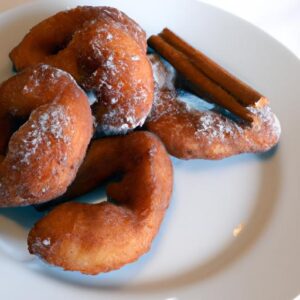
Serves 6-8 (about 16-20 picarones, depending on size)
Difficulty level
Medium – requires basic frying skills and yeast handling
Ingredients
- 1 cup pumpkin puree (freshly steamed and mashed)
- 1/2 cup cooked sweet potato, mashed
- 2 cups all-purpose flour, sifted
- 2 teaspoons active dry yeast
- 1 tablespoon sugar (plus extra for proofing)
- 1 teaspoon ground cinnamon
- 1/2 teaspoon salt
- 1/2 cup warm water (110°F/43°C)
- Vegetable oil for frying
- Chancaca syrup or dark molasses-based syrup for topping
Instructions
- Activate the yeast: In a small bowl, combine warm water, 1 tablespoon sugar, and yeast. Stir lightly and let sit for 8-10 minutes until frothy.
- Prepare the dough base: In a large mixing bowl, blend pumpkin puree, sweet potato, cinnamon, salt, and the activated yeast mixture.
- Add flour gradually: Incorporate the sifted flour a half cup at a time, stirring continuously until a sticky dough forms.
- Knead gently: Turn dough onto a lightly floured surface and knead for 5-7 minutes until smooth but still soft. Return to the bowl and cover with a damp cloth.
- Proof: Let the dough rise in a warm spot for 1 hour or until it doubles in size.
- Heat oil: In a deep, heavy-bottomed pot, heat vegetable oil to 350°F (175°C), using a thermometer for accuracy.
- Shape and fry: Wet your hands with water to prevent sticking, pinch off golf ball-sized portions of dough, and form rings by poking a hole in the center using your finger. Gently lower into hot oil, frying 3-4 at a time.
- Cook until golden: Fry each picaron for about 3 minutes per side,turning once,until crisp and golden brown. Use a slotted spoon to remove and drain on paper towels.
- Serve warm: Drizzle generously with chancaca syrup, or your preferred topping, while the picarones are still warm for best absorption and flavor.
Tips for Success
- Use a digital thermometer to maintain oil temperature precisely for perfect crispiness.
- don’t over-flour the dough-it should stay slightly sticky to ensure light,airy rings.
- Allow the dough enough rising time to develop flavor and texture; rushing this step can result in dense picarones.
- If you can’t find chancaca syrup, substitute with a homemade syrup of dark molasses, orange zest, and cinnamon simmered gently.
- Picarones batter can be made ahead and refrigerated up to 24 hours; allow it to come to room temperature before frying.
serving Suggestions
present your golden picarones on rustic wooden boards or colorful ceramic plates to echo Peruvian traditions. Garnish with a dusting of cinnamon powder or finely chopped toasted nuts for visual appeal. serve alongside fresh tropical fruit slices or a side of thick crema fresca to soften the sweetness. For beverage pairings,a cup of spiced cinnamon tea or traditional Peruvian chicha morada offers a refreshing complement.

| Nutritional Info (per serving) | Amount |
|---|---|
| Calories | 280 kcal |
| Protein | 5g |
| Carbohydrates | 45g |
| Fat | 7g |
For an in-depth exploration of other traditional Peruvian desserts, check out our Peruvian Desserts Guide and dive into a world of sweet culinary delights.
Q&A
Q&A: Picarones – Peru’s Sweet Ring of Cinnamon and Pumpkin Bliss
Q1: What exactly are picarones?
A1: Picarones are a beloved Peruvian dessert-delightful, golden-fried doughnuts made from a unique batter of squash and sweet potato, infused with warm spices like cinnamon and anise. Served hot and drenched in a sticky, sweet syrup called chancaca, they’re the perfect blend of crispy, soft, and aromatic.
Q2: Where did picarones originate?
A2: picarones trace their roots back to colonial Peru, where Spanish culinary influences mingled with indigenous ingredients. The recipe evolved from a fusion of African fried dough traditions and native Andean tubers, culminating in the vibrant treat we enjoy today.
Q3: What ingredients give picarones their signature flavor?
A3: The star ingredients are squash (often pumpkin) and sweet potato, lending a subtle sweetness and moist texture. Cinnamon and sometimes anise add a fragrant warmth, while the chancaca syrup-made from raw unrefined sugar, lime peel, and spices-wraps it all in luscious sweetness.
Q4: How are picarones traditionally prepared?
A4: The mashed squash and sweet potato are mixed with flour, yeast, and spices to form a thick batter. after a short rise,dollops of the batter are dropped into hot oil and fried until golden and crispy on the outside but tender inside.Once cooked, they’re immediately soaked in or drizzled with warm chancaca syrup.Q5: Can picarones be found year-round in Peru?
A5: Absolutely! While especially popular during festivals like the Señor de los Milagros procession, picarones are street-food staples available year-round. Vendors and markets proudly serve them, filling the air with inviting aromas of cinnamon and caramelized syrup.
Q6: Are picarones gluten-free?
A6: Traditional recipes use wheat flour, so picarones are not naturally gluten-free. However,creative bakers are experimenting with gluten-free flours to capture their essence while catering to different dietary needs.
Q7: what makes chancaca syrup so special?
A7: Chancaca syrup is a dark, molasses-like sauce made by melting raw sugar with water, cinnamon sticks, cloves, and sometimes citrus peels. Its deep caramel notes complement the subtle sweetness of the doughnuts perfectly, creating that unforgettable flavor harmony.
Q8: How are picarones enjoyed in Peruvian culture?
A8: Beyond their taste, picarones are a social treat-shared among friends and family at street fairs, markets, and celebrations. They evoke nostalgia, warmth, and the spirited joy of Peruvian street cuisine, making every bite a taste of cultural heritage.
Q9: Can I try making picarones at home?
A9: Definitely! While they require some practice to perfect the texture and frying technique, homemade picarones are incredibly rewarding. Fresh pumpkins or squashes,sweet potatoes,and a fragrant syrup will transport your kitchen straight to the Peruvian streets.
Q10: Why should picarones be on every dessert lover’s radar?
A10: As picarones are more than just a sweet treat-they’re a symbol of Peru’s rich tapestry of flavors, traditions, and culinary creativity. Their fusion of earthy squash, comforting spices, and caramel sweetness makes them a delectable ring of bliss worth savoring.
To Wrap It Up
In every golden, caramelized bite of a picarón, you taste more than just a delightful blend of cinnamon and pumpkin-you savor a piece of Peru’s vibrant culinary heritage. These sweet rings, crisp on the outside and tender within, embody centuries of tradition, local flavors, and festive spirit. whether enjoyed at a bustling market stall or shared among friends during a celebration, picarones invite you to experience the warmth and creativity of Peruvian culture in its most flavorful form. So next time your sweet tooth craves something both comforting and unique, let picarones be your passport to a little slice of Peru’s sugary bliss.