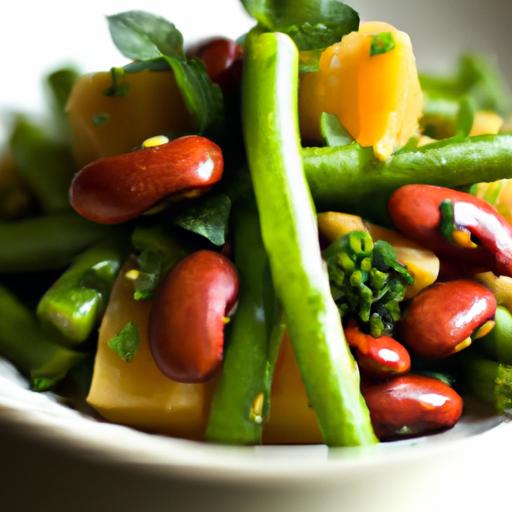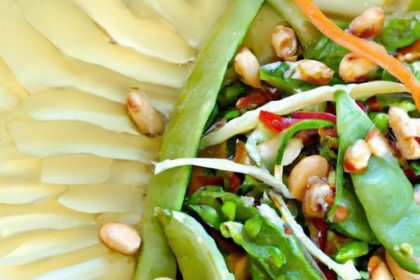

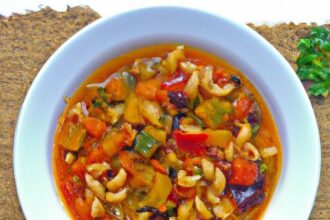
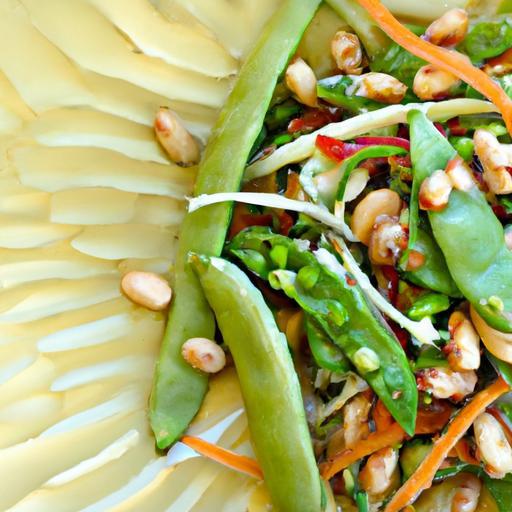
In a world where quick meals ofen lean on convenience rather than nutrition, legume salads emerge as vibrant game-changers-offering a fresh, wholesome flavor boost that’s as nourishing as it is delicious. These colorful bowls of beans, lentils, and peas don’t just satisfy hunger; they deliver a powerhouse of protein, fiber, and essential nutrients wrapped in crisp veggies, zesty dressings, and aromatic herbs. Weather you’re a dedicated health enthusiast or simply seeking a tasty way to brighten your plate, nutritious legume salads invite you to explore a symphony of textures and tastes that celebrate nature’s bounty with every bite. Join us as we dive into the world of legume salads,unlocking their secrets to healthful satisfaction and vibrant flavor.
Nutritious legume salads deliver a powerhouse of flavor and wellness, combining hearty textures with vibrant, fresh ingredients that celebrate nature’s bounty. Originating from diverse culinary traditions around the globe, these salads marry the earthy richness of legumes with crisp vegetables, aromatic herbs, and luminous, tangy dressings. My first encounter with such a salad was during a sun-dappled Mediterranean summer, where a simple bowl of chickpeas, cucumbers, and parsley changed my notion of wholesome eating forever. Today, let’s explore how crafting these nourishing creations can enliven your table and support a balanced lifestyle.
Prep and Cook Time
- Readiness: 15 minutes
- Cooking (if using dried legumes): 30-45 minutes
- Total Time: Approximately 45-60 minutes
Yield
Serves 4 generous portions
Difficulty Level
Easy to Medium – approachable for passionate home cooks and perfect for first-time legume salad makers
ingredients
- 1 ½ cups cooked chickpeas (or one 15 oz can, rinsed and drained)
- 1 cup cooked green lentils, tender but firm
- 1 cup diced cucumber, peeled if desired
- ½ cup halved cherry tomatoes
- ¼ cup finely chopped red onion
- ½ cup chopped fresh parsley
- ¼ cup chopped fresh mint
- ¼ cup crumbled feta cheese (optional)
- 3 tablespoons extra-virgin olive oil
- 2 tablespoons fresh lemon juice
- 1 teaspoon Dijon mustard
- 1 clove garlic, minced
- Salt and freshly ground black pepper to taste
- 1 tablespoon toasted pumpkin seeds for crunch (optional)
Instructions
- Prepare the legumes: If using dried legumes, soak and cook them to tender but not mushy-about 30-45 minutes for lentils and chickpeas. Rinse under cold water and drain well. Canned legumes work perfectly for a quick route.
- Combine fresh ingredients: In a large bowl,gently mix the cooked chickpeas and lentils with diced cucumber,cherry tomatoes,red onion,parsley,and mint. The freshness of these ingredients balances the earthiness of the legumes beautifully.
- Make the dressing: Whisk together olive oil, lemon juice, Dijon mustard, minced garlic, salt, and pepper until fully emulsified. This bright, citrus-forward dressing adds zing and subtle creaminess without overpowering.
- Toss the salad: Pour the dressing over the legume mixture and gently toss until everything is evenly coated. Be careful to maintain the integrity of the legumes-they should remain distinct and firm.
- Add finishing touches: Fold in crumbled feta cheese for creamy depth and sprinkle toasted pumpkin seeds on top for delightful texture contrast.
- Chill and serve: Refrigerate the salad for 20-30 minutes to allow flavors to meld. Serve chilled or at room temperature for maximum flavor impact.
Tips for Success: Mastering Nutritious Legume Salads
- Choose your legumes wisely: Combining multiple legumes boosts protein diversity and creates a balanced palate. Substitute green lentils with black beluga lentils, or chickpeas with white cannellini beans for variation.
- Enhance freshness with seasonal picks: Swap cherry tomatoes with roasted red peppers in the cooler months or fresh peas in spring for a pop of sweetness.
- Keep textures varied: Add nuts, seeds, or finely chopped crunchy vegetables like radishes or snap peas to elevate mouthfeel and interest.
- Prepare ahead: Legumes absorb flavors better over time,so making the salad a few hours in advance or overnight enhances depth.Store in airtight containers, separating dressings and garnishes if preferred.
- Avoid mushiness: Drain legumes thoroughly after rinsing to prevent watery salads. Toss gently and avoid overmixing.
Creative Combinations and Flavor Pairings to Elevate Your Salad
Experimenting with different herb combinations-such as adding cilantro for a South Asian twist or fresh dill for Eastern European flair-can redefine your salad’s profile. Incorporate zesty add-ins like preserved lemon or freshly grated horseradish to introduce unexpected bursts of flavor. Pairing lemon juice with nutty tahini in the dressing provides a creamy, luscious mouthfeel that beautifully complements hearty legumes.
Seasonal Ingredients That Enhance Freshness and Nutritional value
The magic of nutritious legume salads comes alive with seasonally sourced produce. Consider crisp, sweet snap peas and green garlic in springtime salads or roasted sweet potatoes and kale in autumn versions. These choices not only enrich flavor but significantly boost nutritional density-vitamins, antioxidants, and fiber join forces for a true healthful experience.
Expert Tips for Preparing and Storing Legume Salads to Maximize Taste
For best results, cook legumes just until tender to retain shape and bite. Let cooled legumes marinate in the dressing to deepen flavors. Store salads in glass containers with fitted lids to maintain freshness and transparency for quick identification. Always add delicate garnishes like feta or seeds right before serving to preserve their texture.
Nutritional information Per Serving
| Calories | Protein | Carbs | Fat |
|---|---|---|---|
| 320 kcal | 15 g | 40 g | 10 g |

For more tips on wholesome plant-based meals, check out our healthy vegan dinners guide. Learn about the science-backed benefits of legumes at Harvard T.H. Chan School of Public Health.
Q&A
Q&A: Nutritious Legume Salads – Fresh, Wholesome Flavor Boosts
Q1: What makes legume salads a nutritious choice?
A1: Legume salads are powerhouses of nutrition, packed with plant-based protein, fiber, vitamins, and minerals like iron and magnesium. The fiber promotes digestive health, while the protein supports muscle repair and sustained energy. Combined with fresh vegetables and herbs, these salads become vibrant and nutrient-dense dishes that nourish both body and soul.
Q2: Which legumes work best in fresh salads?
A2: Chickpeas, lentils, black beans, kidney beans, and green peas are all excellent options. Each brings a unique texture and flavor-from the creamy bite of chickpeas to the earthy richness of lentils.Their versatility allows for endless combinations with fresh produce and dressings, making every salad exciting and satisfying.
Q3: How can I keep legume salads fresh and flavorful?
A3: Use crisp, seasonal vegetables like cucumber, bell peppers, cherry tomatoes, and fresh herbs such as parsley, cilantro, or mint. A dash of citrus juice, a drizzle of high-quality olive oil, and a sprinkle of spices like cumin or smoked paprika can elevate the taste. Preparing the legumes just right-tender but not mushy-helps preserve texture, enhancing every forkful.
Q4: are legume salads suitable for people with specific dietary needs?
A4: absolutely! These salads are naturally gluten-free, vegan, and often low in fat, making them adaptable to many diets. They’re a great option for those seeking heart-healthy meals or aiming to increase their intake of plant-based proteins. Plus, their high fiber content can aid in blood sugar regulation and cholesterol management.
Q5: Can legume salads be made ahead of time?
A5: Yes! Legume salads often taste even better after a few hours or overnight, as flavors meld beautifully. Store them in airtight containers in the fridge and add delicate greens or avocado just before serving to maintain freshness. This makes them ideal for meal prepping or quick lunches.
Q6: How can I make a legume salad more exciting without extra calories?
A6: Spice it up with fresh herbs, a splash of zesty lemon or lime juice, finely chopped shallots, or a sprinkle of toasted nuts and seeds for crunch. Roasted spices or a hint of chili flakes can add warmth without extra fat.these simple touches bring brightness and depth, transforming a humble salad into a flavor fiesta.
Q7: What seasonal twists can I add to legume salads?
A7: In spring and summer, incorporate juicy tomatoes, cucumbers, fresh peas, and radishes. autumn and winter invite roasted root vegetables, sweet roasted squash, or tangy pickled onions. Adjust your dressings accordingly-light and citrusy for warmer months,richer with mustard or tahini for cooler days.
Q8: Any tips for cooking legumes quickly to toss into salads?
A8: Soaking legumes overnight reduces cooking time and improves digestibility. Using a pressure cooker or an Instant Pot can cut cooking times drastically, delivering perfectly tender beans and lentils in a flash. For extra flavor,simmer them with aromatics like garlic,bay leaves,or herbs.
Nutritious legume salads offer endless opportunities to delight your palate while fueling your body with wholesome goodness. Embrace their fresh, vibrant flavors and reap their nourishing benefits all year round!
to sum up
Incorporating nutritious legume salads into your meals is more than just a flavorful choice-it’s a step toward vibrant health and culinary creativity. These wholesome bowls of goodness offer a delightful blend of textures, colors, and nutrients that can brighten any table and power your day. Whether tossed with crisp greens, fresh herbs, or zesty dressings, legume salads transform simple ingredients into satisfying dishes that nourish both body and soul. So next time you’re seeking a fresh, wholesome flavor boost, let legumes take center stage and elevate your salad experience to a whole new level of delicious vitality.