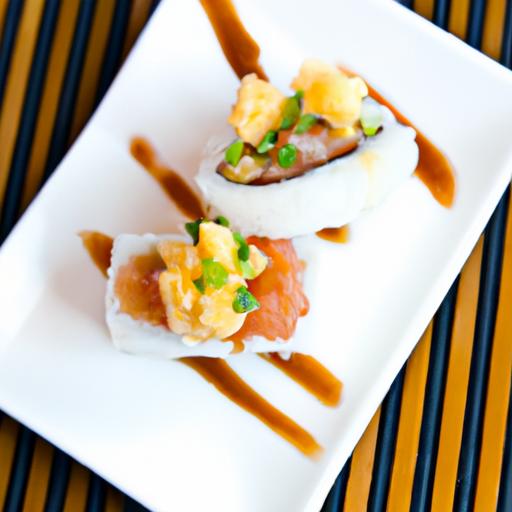



In the ever-evolving world of culinary innovation, traditional dishes often find new life through unexpected reinventions. Mochi sushi rolls are a perfect example of this delightful fusion, where the chewy, sweet texture of mochi meets the fresh, savory essence of classic sushi. This unique twist transforms familiar flavors into an exciting sensory experience, inviting both sushi enthusiasts and adventurous eaters to explore a playful blend of East asian traditions. In this article, we’ll dive into the origins, ingredients, and creative possibilities behind mochi sushi rolls-celebrating a delectable harmony between two beloved culinary worlds.
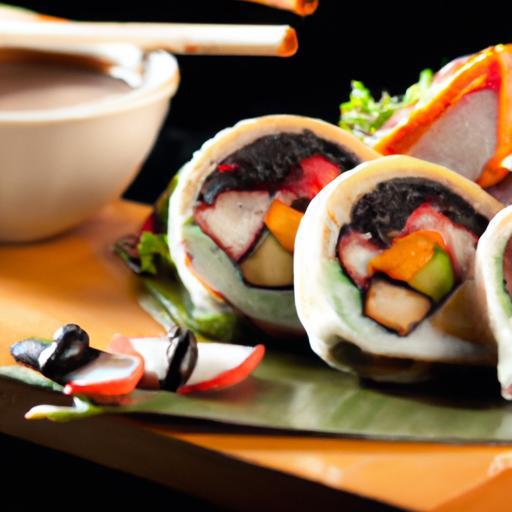
Mochi sushi rolls invite you into a playful fusion of traditional Japanese elements with the chewy, irresistible delight of mochi, creating a refined and novel texture sensation.this unique creation elevates sushi into an artful experience, where each bite offers a satisfying contrast between the soft rice, the delicate fillings, and the pleasantly chewy mochi exterior. Inspired by centuries-old mochi crafting and contemporary sushi innovation,these rolls are perfect for home chefs eager to try something exceptional and visually stunning.
Prep and Cook Time
Readiness: 40 minutes
cooking: 20 minutes
Total Time: 60 minutes
yield
Serves 4 (makes approximately 8 mochi sushi rolls)
Difficulty Level
Medium – Requires some finesse with mochi dough handling and rolling technique
Ingredients
- 1 cup mochiko (sweet rice flour)
- 3/4 cup water
- 1/4 cup granulated sugar
- 2 cups cooked sushi rice (preferably short-grain, cooled to room temperature)
- 4 sheets nori seaweed, cut into halves
- 100g fresh sashimi-grade salmon, thinly sliced
- 1/2 avocado, thinly sliced
- 1 small cucumber, julienned
- 2 tbsp toasted sesame seeds
- 1 tsp rice vinegar
- Wasabi and pickled ginger for serving
- Soy sauce, for dipping
Instructions
- Prepare the mochi dough: In a microwave-safe bowl, combine 1 cup mochiko, 3/4 cup water, and 1/4 cup sugar. Stir thoroughly until smooth and no lumps remain.
- steam or microwave: Cover the bowl with plastic wrap, leaving a small vent to release steam. Microwave on high for 2 minutes. Stir the mixture, then microwave an additional 1-2 minutes until the dough turns translucent and sticky. Alternatively, steam for 15 minutes, stirring once midway.
- Dust your workspace: Generously sprinkle a flat surface with potato starch or cornstarch to prevent sticking. Transfer the hot mochi dough onto the surface and let it cool slightly.
- Shape and roll mochi: Using well-dusted hands or a rolling pin, flatten the mochi into a roughly 8×8 inch square about 1/8 inch thick. Cut into 8 equal rectangles-these will serve as the outer wrapping for your sushi rolls.
- Season your sushi rice: Lightly mix your cooked sushi rice with 1 tsp rice vinegar. Set aside to cool completely.
- Assemble sushi fillings: lay half sheets of nori on a bamboo sushi mat. Spread a thin, even layer of seasoned sushi rice over each nori piece, leaving a 1-inch border at one edge.
- Add fillings: Place a few slices of salmon, avocado, and cucumber in a neat line atop the rice.
- Roll the sushi: Using the bamboo mat, tightly roll the sushi into a firm cylinder. Moisten the border edge to seal.
- Wrap the mochi: Take one mochi rectangle and gently stretch it to wrap around each sushi roll,ensuring an even seal. The mochi layer adds a signature chewy texture that redefines the sushi experience.
- Slice and serve: With a sharp, wet knife, cut each mochi sushi roll into 6-8 pieces, wiping the blade clean between cuts to preserve clean edges.
- Garnish: Sprinkle toasted sesame seeds over the mochi wraps for added crunch and nuttiness. serve with wasabi, pickled ginger, and soy sauce for dipping.
Tips for Success
- Keep your hands and tools well dusted with starch to prevent the mochi from sticking during shaping.
- Use fresh and high-quality sashimi-grade fish to ensure safety and flavour integrity.
- If mochi becomes too stiff to handle, gently microwave wrapped in a damp cloth for 10-15 seconds to soften.
- Experiment with fillings: shrimp tempura, crab stick, or even grilled vegetables for a vegetarian take.
- Make sushi rice a day ahead and keep refrigerated-bring it to room temperature before assembling to improve handling and texture.
Serving Suggestions and Complementary Ingredients for Mochi Rolls
Present your mochi sushi rolls on a sleek black slate or minimalist wooden board to emphasize the contrast between colors and textures. Pair each bite with a delicate drizzle of yuzu kosho-infused soy sauce for a bright, spicy lift. Add small bowls of pickled radish or shiso leaves to provide a refreshing herbal counterbalance. For visual appeal,garnish with thin slivers of gold leaf or edible flowers to make these rolls a centerpiece for entertaining.
| Nutrient | Per Serving (2 rolls) |
|---|---|
| Calories | 280 kcal |
| Protein | 15 g |
| Carbohydrates | 38 g |
| Fat | 6 g |
Discover more sushi inspiration here. For detailed insights on the science of mochi texture, the Japan Society UK offers captivating resources.

Q&A
Q&A: Mochi Sushi Rolls – A Unique twist on Classic Flavors
Q1: what exactly are mochi sushi rolls?
A1: Mochi sushi rolls are an innovative fusion dish that combines the chewy, glutinous texture of mochi with the traditional elements of sushi. Rather of the usual vinegared rice, these rolls use mochi as a base, creating a delightful contrast of textures and flavors that refresh the sushi experience.
Q2: How does the texture of mochi change the sushi-eating experience?
A2: mochi’s characteristic chewiness adds a playful,tactile element to sushi. While classic sushi rice is soft and slightly sticky, mochi offers a stretchy, pillowy feel that makes each bite more dynamic and engaging, appealing to those who crave something beyond the familiar firmness of rice.
Q3: What ingredients work best inside mochi sushi rolls?
A3: Fresh, vibrant fillings like avocado, cucumber, mango, and tuna or salmon sashimi work beautifully inside mochi sushi. The clean flavors and smooth textures complement the softness of the mochi, while ingredients like crunchy tempura veggies or pickled radish can introduce a delightful contrast.
Q4: Is mochi sushi roll preparation similar to traditional sushi?
A4: The preparation has some similarities but also key differences. Instead of spreading sushi rice on seaweed sheets, mochi is typically prepared and shaped first-sometimes steamed or grilled lightly to soften. Then, fillings are added before rolling or folding. The process emphasizes working quickly, as mochi tends to become sticky.
Q5: Can mochi sushi rolls be served with classic sushi accompaniments?
A5: Absolutely! Soy sauce, wasabi, and pickled ginger remain perfect partners. Additionally, a drizzle of spicy mayo or a sprinkle of toasted sesame seeds can elevate the dish even more. As mochi is subtly sweet, a hint of citrusy ponzu sauce can add a refreshing balance.
Q6: Are mochi sushi rolls gluten-free?
A6: Yes, mochi is made from glutinous rice flour, which is naturally gluten-free. When paired with fresh fish,vegetables,and gluten-free condiments like tamari instead of soy sauce,mochi sushi rolls can be a great option for those avoiding gluten.
Q7: What inspired the creation of mochi sushi rolls?
A7: The fusion of mochi and sushi was inspired by a desire to reimagine traditional Japanese flavors with playful textures. By blending two beloved culinary elements-mochi’s chewy delight and sushi’s fresh, clean flavors-chefs crafted a dish that’s both nostalgic and novel.
Q8: Can mochi sushi rolls be made at home?
A8: Definitely! With some mochi flour,a few fresh ingredients,and a bit of patience,home cooks can experiment with mochi sushi rolls. The key is mastering the mochi dough’s stickiness and ensuring the fillings are fresh and well-balanced. Plenty of recipes online guide beginners through the fun process.
Q9: How do mochi sushi rolls fit into a modern dining experience?
A9: Mochi sushi rolls embody the spirit of contemporary cuisine: honoring tradition while boldly innovating. They appeal to adventurous food lovers eager to explore textures and flavors that surprise, making them a standout item on fusion menus and at creative dinner parties.
Q10: What flavors should someone new to mochi sushi rolls expect?
A10: Expect a harmonious blend of subtle sweetness from the mochi, the umami richness of fresh fish or plant-based fillings, and bright, refreshing notes from vegetables and condiments. The combination delivers a fresh,satisfying mouthfeel unlike any other sushi roll.
Concluding Remarks
As the world of sushi continues to evolve, mochi sushi rolls stand out as a delightful fusion of tradition and innovation. By marrying the chewy, sweet essence of mochi with the savory, fresh ingredients of classic sushi, this inventive twist invites both sushi aficionados and curious food lovers to experience familiar flavors in an entirely new texture and dimension. Whether you’re seeking to expand your palate or impress guests with a playful culinary creation,mochi sushi rolls offer a unique gateway into the endless possibilities of japanese cuisine. So next time you crave sushi, dare to step outside the box-and savor a roll that’s as fun to eat as it is delicious.