
Nestled between the rugged Pyrenees and the shimmering Bay of Biscay, the Basque Country is a land rich with tradition, vibrant culture, and culinary treasures that tell stories of centuries past. Among its most beloved delights stands the Gâteau Basque-a deceptively simple yet profoundly soulful cake that carries the essence of Basque heritage in every bite. More than just a dessert, this sweet culinary emblem invites us on a journey through time, flavor, and regional identity, unraveling a tale where buttery pastry meets luscious fillings, all wrapped in the warmth of family gatherings and festive celebrations. Join us as we explore the origins,craftsmanship,and enduring charm of the Gâteau Basque,a sweet journey into the heart of Basque heritage.
Gâteau Basque is more than just a dessert - it is a sweet emblem of Basque heritage, a tender tribute to centuries-old traditions from the rugged southwestern region of France. This cherished pastry, celebrated for its buttery, crumbly dough and luscious filling, invites the home baker into a world where culinary art meets cultural pride. The heart of this delicacy lies not only in its authentic ingredients but in the nostalgic memories it conjures of family gatherings and village festivals, where the aroma of vanilla and almond gently fills the air.
Prep and Cook Time
- Prep Time: 30 minutes
- Chilling Time: 1 hour
- Cook Time: 45 minutes
Yield
Serves 8 generous slices
difficulty Level
Medium – Requires some patience with dough chilling and assembly but yields stunning results for eager home cooks.
Ingredients
- 2 ½ cups all-purpose flour, sifted
- ¾ cup granulated sugar
- 1 tsp baking powder
- 1 large egg + 1 egg yolk (for dough)
- 1 large egg (for egg wash)
- ¾ cup unsalted butter, cold and cubed
- ½ tsp fine sea salt
- 1 tsp pure vanilla extract
- ½ cup whole milk
- ¾ cup almond flour (for extra texture & aroma)
- 1 cup pastry cream (classic vanilla custard filling)
- Optional: preserved black cherries or a hint of almond extract in pastry cream for traditional variations
Instructions
- Prepare the pastry dough: In a large bowl, whisk together all-purpose flour, almond flour, baking powder, sugar, and salt. Add the cold, cubed butter and use your fingers or a pastry cutter to work it in until the mixture resembles coarse crumbs.
- Mix in eggs and liquid: Lightly beat the 1 large egg and one egg yolk, then add to the flour mixture along with the milk and vanilla extract. Stir gently until the dough begins to form. Avoid overworking to keep it tender.
- Chill the dough: Shape the dough into a disc, wrap in plastic wrap, and refrigerate for at least 1 hour to firm up.
- Preheat your oven to 350°F (175°C). Grease and flour a 9-inch tart or springform pan.
- Roll out the dough: on a lightly floured surface, roll out two-thirds of the dough into a circle large enough to line the bottom and sides of your pan (about ¼ inch thick).
- Assemble the cake: Place the rolled dough into the pan. Spread the pastry cream evenly over the base, leaving a small border.
Optional: scatter preserved black cherries atop the cream for authentic Basque charm. - Cover the filling: Roll out the remaining dough and carefully cover the tart, pressing edges to seal tightly. Trim any excess dough.
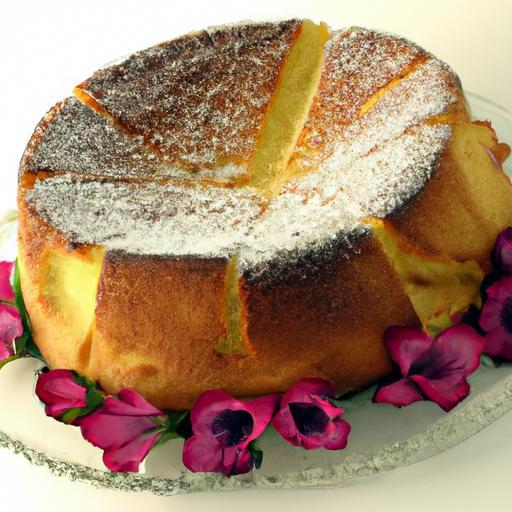
- Egg wash and decorate: beat the remaining egg and brush it gently over the surface for a golden finish. Use a fork or knife to etch a classic Basque crosshatch or diamond pattern.
- Bake: Place in the oven and bake for 40-45 minutes, or until the top is a deep golden brown and the filling is set.
- Cool fully: Let the gâteau cool in the pan before removing. This enhances the texture and makes slicing easier.
Tips for Success
- Cold butter is key: Keeping butter cold maintains the crumbly texture of the dough.
- Do not overwork the dough: Mixing only until just combined ensures a tender,flaky crust.
- Chilling the dough: Crucial for preventing shrinkage and keeping the layers distinct.
- Dairy alternatives: Use almond milk or oat milk for lactose-sensitive palates with slightly altered pastry cream.
- Make-ahead: Gâteau Basque can be baked a day ahead and stored covered at room temperature, allowing flavors to deepen.
- For the pastry cream: Use a rich vanilla custard base flavored with fresh vanilla bean or pure vanilla extract for authenticity.
Serving Suggestions
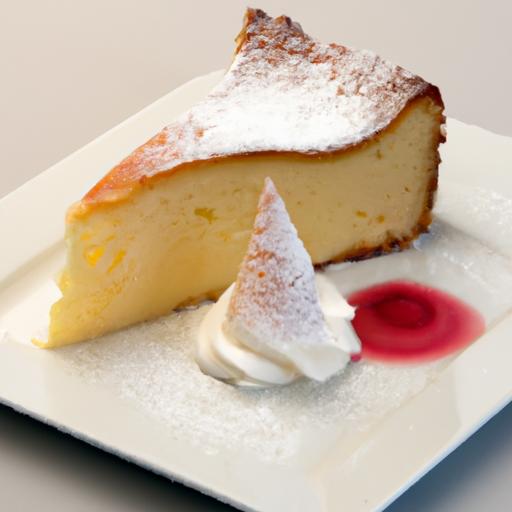
This cake shines best with a cup of freshly brewed coffee or a fragrant black tea. Serve slices on a rustic wooden platter, adorned with a dusting of powdered sugar and a few preserved cherries or slivered almonds for textural contrast.A dollop of lightly whipped cream or a spoonful of homemade fruit preserve on the side complements the creamy filling beautifully. For an inviting centerpiece, garnish with fresh edible flowers to evoke the Basque countryside’s charm.
| Nutritional Info (Per Serving) | Calories | Protein | Carbs | Fat |
|---|---|---|---|---|
| Gâteau Basque Slice (approx. 1/8 cake) | 370 | 6g | 45g | 16g |
Top Destinations to Savor Genuine Gâteau Basque in the basque Country
For those dreaming of tasting an authentic Gâteau Basque beyond their own kitchen, the french Basque Country holds a wealth of traditional patisseries that honor this culinary staple. In towns like Saint-Jean-Pied-de-Port and Biarritz,family-run bakeries have been preserving recipes passed down through generations. Don’t miss the quaint charcuteries and markets where local vendors showcase hand-crafted versions of the gâteau alongside regional delights. To deepen your journey, explore historic cafés in Bayonne, famed for its elegant pastries and warm ambiance.
For further exploration of traditional Basque cooking, check out our detailed guide on Basque Culinary Delights, and delve into the region’s rich flavors and recipes.

Q&A
Q&A: Gâteau Basque – A Sweet Journey into Basque Heritage
Q1: What is Gâteau Basque, and why is it so special?
A1: Gâteau Basque is a traditional cake from the Basque region in southwestern France. It’s special because it carries centuries of history wrapped in a tender,buttery crust filled with luscious pastry cream or black cherry jam. This cake isn’t just a dessert; it’s a symbol of Basque identity and culinary pride, a sweet testament to the region’s rich cultural tapestry.
Q2: How did Gâteau Basque originate?
A2: Legend has it that Gâteau Basque dates back to the 17th century,when Basque bakers crafted this dessert as a homegrown choice to more elaborate French pastries. It quickly became a beloved family recipe, passed down through generations and celebrated during festivals and special occasions, embodying the warm spirit of Basque hospitality.
Q3: What are the traditional ingredients in Gâteau Basque?
A3: At its core, Gâteau Basque uses simple, wholesome ingredients: flour, sugar, butter, eggs, and almond flour or ground almonds to build its rich, tender dough. The classic fillings are either black cherry jam-made from local Basque cherries-or a silky pastry cream spiced with hints of vanilla or lemon zest, lending a beautiful balance of flavors.
Q4: Are there regional variations of Gâteau Basque?
A4: Absolutely! While the black cherry jam and pastry cream versions are the most iconic, some Basque families add subtle twists-like infusing the cream with a touch of orange blossom water or incorporating toasted almonds into the crust. These variations show how this cake can be both a tradition and a canvas for creativity.
Q5: What makes the crust of Gâteau Basque unique?
A5: The crust is where Gâteau Basque truly shines. It’s a tender, buttery shortcrust dough that’s rich but not overwhelming. Unlike flaky puff pastry,the dough should be firm enough to hold the filling,yet soft enough to melt in your mouth. Scoring the top with a lattice or crosshatch pattern and brushing it with an egg wash gives it an inviting golden sheen and a hint of crunchy texture.
Q6: How is Gâteau Basque traditionally served?
A6: Gâteau Basque is best enjoyed fresh, sliced thick with a cup of strong coffee or artisanal tea. Its comforting sweetness and dense texture make it perfect for sharing during leisurely afternoon gatherings or festive celebrations,evoking a sense of warmth and togetherness.
Q7: Can Gâteau Basque be enjoyed beyond its region of origin?
A7: Definitely! Thanks to its simple ingredients and timeless appeal, Gâteau Basque has traveled well beyond the Basque borders. Pastry enthusiasts around the world now embrace it as a refined yet approachable dessert that offers a delicious slice of Basque heritage in every bite.
Q8: What does Gâteau Basque reveal about Basque culture?
A8: More than just a dessert, Gâteau basque reflects the region’s deep respect for local ingredients, artisan traditions, and the importance of family. It encapsulates the Basques’ devotion to preserving their unique identity through food that’s hearty, genuine, and infused with love-a sweet journey through history you can taste.
Concluding Remarks
As we close this chapter on the Gâteau Basque,it becomes clear that this humble cake is much more than a dessert-it is a delicious emblem of a rich cultural tapestry woven through centuries. Each bite offers a taste of basque history, tradition, and the enduring spirit of a people who celebrate their heritage through the art of baking. Whether filled with luscious black cherry jam or velvety pastry cream, the Gâteau Basque invites us to savor not just its flavors, but the stories and pride baked into every crumb. So next time you slice into this golden treasure, remember you’re partaking in a sweet journey that connects past and present, bridging generations with every delectable mouthful.