
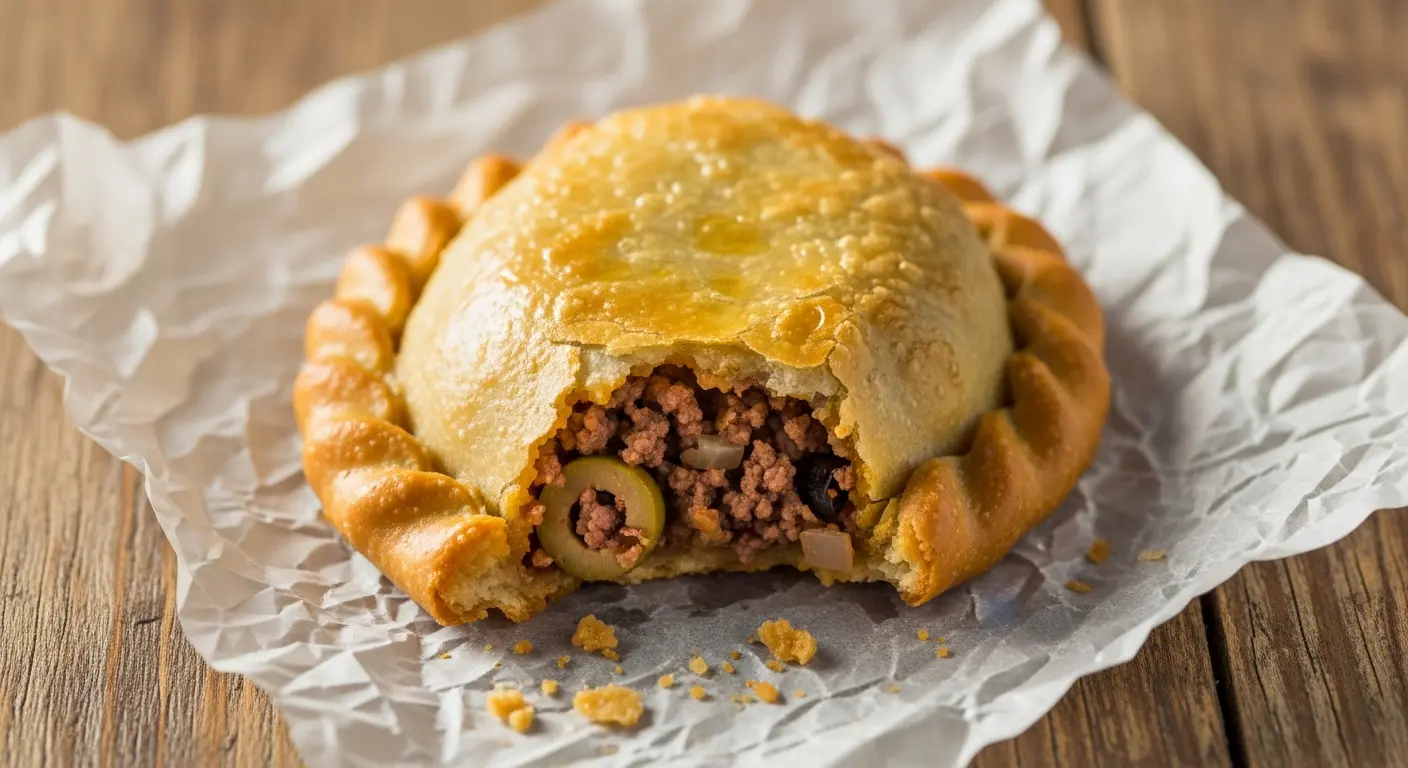
There’s something irresistibly captivating about an empanada — the golden, flaky crust that envelopes a world of flavor, waiting to be discovered with every bite. More than just a savory pastry, empanadas carry with them centuries of history, culture, and tradition from the far corners of the globe.
From bustling street markets in Argentina to family kitchens in the Philippines, each empanada tells a story — wrapped in dough and bursting with unique fillings.
In this article, we embark on a savory journey through tradition, unwrapping the rich heritage and diverse variations of empanadas. Together, we’ll explore how this humble hand pie has become a beloved culinary icon across continents. Prepare to awaken your senses and deepen your appreciation for an age-old recipe that continues to delight palates worldwide.
Empanadas unwrapped reveal more than just a savory delight; they narrate centuries of culinary evolution shaped by diverse cultures and geographies.From the sun-kissed coasts of Spain to the vibrant streets of Latin America and even Southeast Asia, these hand-held pastries carry unique stories through their fillings, preparation, and accompaniments.
Prep and cook Time
- Preparation: 30 minutes
- Cooking: 25 minutes
- Total Time: 55 minutes
Yield
Makes approximately 12 empanadas, perfect for sharing with family or friends.
Difficulty Level
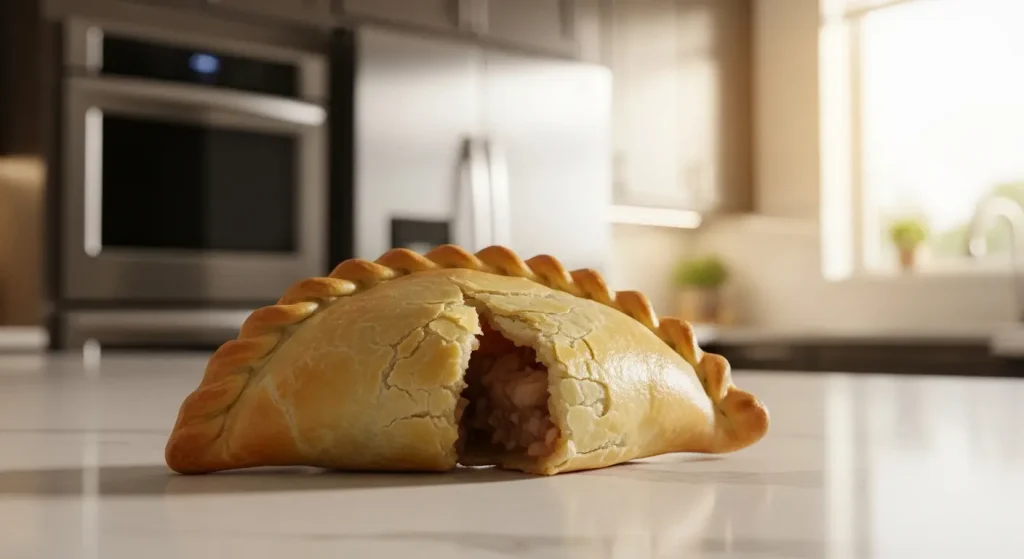
Medium – Great for cooks ready to master dough handling and explore diverse flavor profiles.
Ingredients
- 2 ½ cups all-purpose flour, sifted
- 1 tsp salt
- ½ cup unsalted butter, chilled and cubed
- 1 large egg
- ⅓ cup cold water
- 1 tbsp white vinegar
- 2 tbsp olive oil
- 1 small yellow onion, finely diced
- 2 cloves garlic, minced
- 1 lb ground beef (or ground chicken/pork for variation)
- 1 tsp smoked paprika
- 1 tsp ground cumin
- ½ cup green olives, chopped (optional, for a customary Argentine touch)
- ¼ cup raisins (optional, sweet contrast)
- Salt and black pepper, to taste
- 1 egg, beaten (for egg wash)
instructions
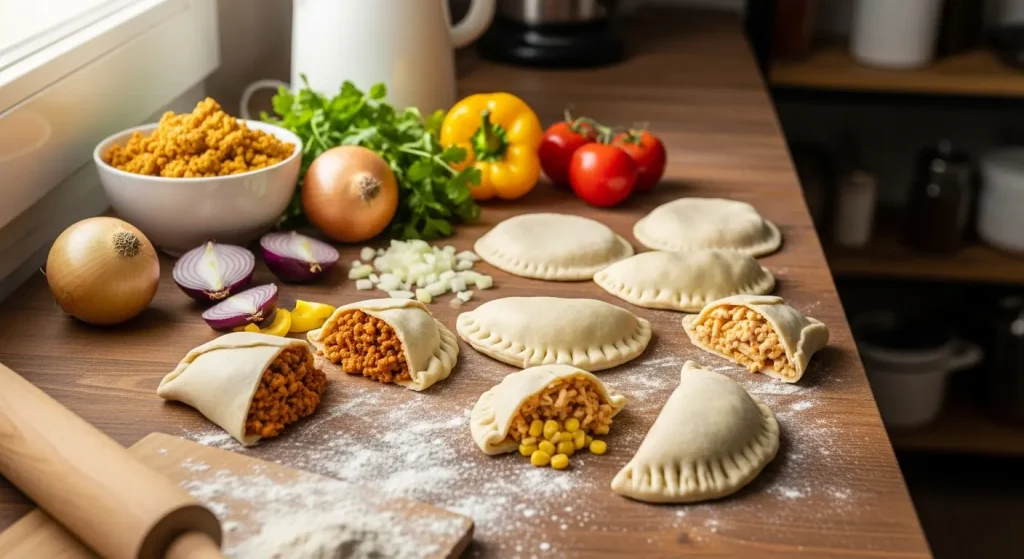
Empanadas Unwrapped Empanadas Unwrapped Empanadas Unwrapped Empanadas Unwrapped Empanadas Unwrapped
- Prepare the Dough: In a large bowl, whisk together the flour and salt. Add the cold cubed butter and use your fingertips or a pastry cutter to work the butter into the flour until the mixture resembles coarse crumbs.
- Mix Wet Ingredients: beat the egg, cold water, and vinegar together in a small bowl. Gradually stir into the flour mixture until the dough starts to come together-avoid over-mixing for tender empanadas.
- Knead and Chill: Turn dough onto a lightly floured surface and knead just until smooth, about 5-6 turns. Wrap tightly in plastic and refrigerate for at least 30 minutes to relax the gluten.
- Prepare Filling: Heat olive oil in a skillet over medium heat. Add onion and sauté until translucent, about 4 minutes. Stir in garlic and cook 1 more minute.
- Add Protein and Spices: Increase heat to medium-high, add ground beef and cook until fully browned. Stir in smoked paprika, cumin, salt, and pepper. Mix in olives and raisins, cooking for another 3 minutes until fragrant. Remove from heat and cool filling.
- Roll Dough and Shape: Roll chilled dough into a ⅛-inch thick circle. Use a 5-inch round cutter to cut out circles. Repeat with remaining dough.
- Assemble Empanadas: Spoon 2 tablespoons of filling onto the center of each circle. Brush edges with water, fold dough over to form a half-moon, and seal by pressing edges firmly or crimping with a fork.
- Apply Egg Wash and Bake: Place empanadas on a parchment-lined baking sheet. Brush tops with beaten egg for golden crispness. Bake in a preheated oven at 375°F (190°C) for 20-25 minutes until golden and flaky.
- Cool Slightly and Serve: Let the empanadas rest for 5 minutes before serving to lock in the savory juices.
Tips for Success
- Dough Matters: Keeping the butter cold and the dough cold ensures a flaky texture. Avoid over-kneading to prevent toughness.
- Filling Variations: Substitute beef with shredded chicken, sautéed mushrooms, or even spiced sweet potatoes for vegetarian versions.
- Sealing Tips: Use a little water or egg wash on the dough edges to help them seal soundly and avoid filling leaks during baking.
- Make Ahead: Freeze uncooked empanadas on a baking sheet, then transfer to a bag. Bake from frozen by adding 5-7 minutes to the bake time.
- Regional Flavor Insight: Add a dash of smoked chili powder for a spicy Mexican flair or curry powder for Filipino-inspired empanadas to discover global tastes.
Serving Suggestions
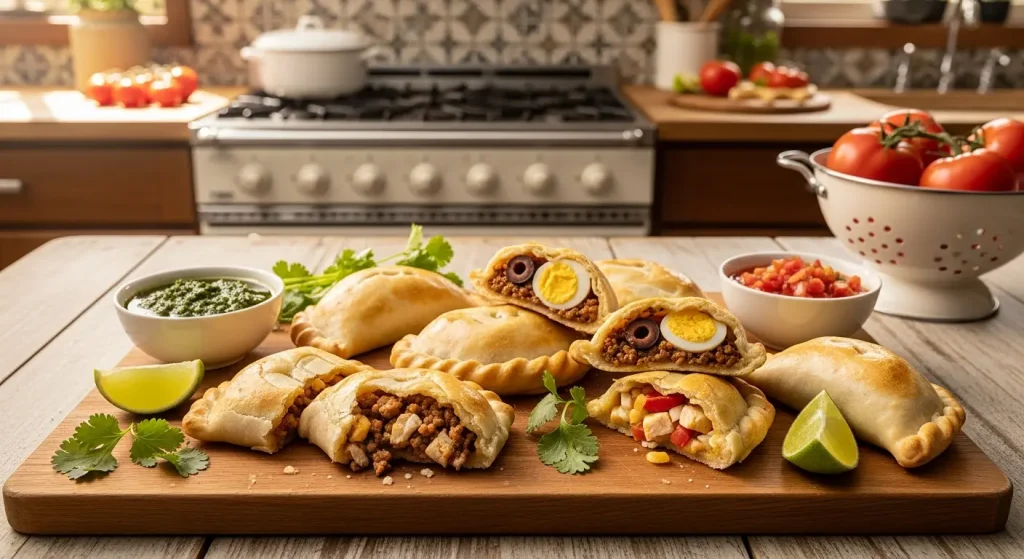
Empanadas shine when paired with complementary sauces. A bright, tangy chimichurri sauce enhances Argentinian-style empanadas beautifully, while a creamy ají amarillo dip adds vibrant color and mild heat, echoing Peru’s culinary roots.
For beverages, choose crisp white wines like a Sauvignon Blanc or a refreshing, lightly hopped beer to balance the rich, savory pastry. Garnish with fresh cilantro or chopped parsley for a burst of color and herbal aroma.

| Nutrient | Per Empanada (approx.) |
|---|---|
| calories | 250 kcal |
| Protein | 12 g |
| Carbohydrates | 25 g |
| Fat | 10 g |
For more recipes celebrating classic global pastries, explore our Filled Pastries Around the World guide. To dive deeper into the cultural history of empanadas, check this detailed Britannica article.
Q&A
Q&A: Empanadas Unwrapped – A Savory Journey Through Tradition
Q1: What exactly is an empanada?
A1: At its core, an empanada is a delightful pocket of dough, lovingly folded and sealed around a savory (or sometimes sweet) filling.Originating from the Spanish verb empanar, meaning “to wrap or coat in bread,” empanadas are culinary passports-carrying flavors and stories from one culture to another. the beauty lies in their versatility: flaky or doughy crust, spicy beef or creamy cheese, baked or fried to golden perfection.
Q2: Where did empanadas come from?
A2: Empanadas have a fascinating history that winds through the Iberian Peninsula and across the Americas. They trace back to Galicia,Spain,where fishermen crafted portable meals to sustain them at sea. From there, the empanada journeyed with explorers to Latin America, evolving with local ingredients and traditions-becoming a beloved staple in Argentina, Chile, Colombia, and beyond. Each region added its own savory signature, turning empanadas into a global phenomenon.
Q3: What makes empanadas so beloved around the world?
A3: Empanadas strike a perfect balance between convenience and comfort. They’re handheld, satisfying, and endlessly adaptable-whether filled with juicy, spiced meat, fresh vegetables, or luscious cheeses. Their crispy or tender crust provides a tactile joy, complementing the robust flavors inside. Empanadas serve as comfort food, festive fare, and communal experiance wrapped into one edible package.Q4: Are there distinct types of empanadas?
A4: Absolutely! Empanadas vary widely, reflecting local palates and customs. For example:
- Argentinian empanadas often boast beef with onions, olives, and hard-boiled eggs.
- Chilean empanadas de pino combine ground beef, raisins, and spices for a sweet-savory contrast.
- colombian empanadas lean on corn flour dough and beef or chicken fillings, frequently accompanied by tangy ají sauce.
- In the Philippines, the empanada might include ground pork, potatoes, and even a hint of sweetness-highlighting the spanish influence fused with native tastes.
Q5: How are empanadas traditionally prepared?
A5: Making empanadas frequently enough begins with crafting the dough-flour, fat, water, and sometimes a touch of salt or sugar. This dough acts as a humble canvas.The filling varies,but typical mixtures of protein,vegetables,and spices are sautéed to bursting flavor. The dough rounds are filled, folded into half-moons or crescents, and sealed with a crimp or fork. they’re baked or fried until the crust achieves an inviting golden hue and satisfying crunch.
Q6: can empanadas be enjoyed as both street food and festive dishes?
A6: Definitely! Empanadas thrive in both casual and celebratory settings. In bustling markets and street corners, they are perfect grab-and-go snacks, fueling city dwellers through busy days. Meanwhile, in homes and special gatherings, empanadas become centerpiece dishes-symbolizing sharing, heritage, and a labor of love. Their ability to cross social boundaries makes them uniquely global.
Q7: What should a first-time empanada taster expect?
A7: Prepare for a sensory dance-crisp or tender crust giving way to a burst of rich, well-seasoned filling. The first bite combines textures: the satisfying chew of baked dough, the savory warmth of melting cheeses or stewed meats, and fragrant hints of herbs and spices.Each empanada tells a story of tradition,family recipes,and cultural identity,making every mouthful a journey unto itself.
Q8: How can someone experiment with empanadas at home?
A8: Start by embracing your flavor inspirations! Select a dough recipe that suits your baking preferences-shortcrust for buttery flakiness or yeast dough for a soft, pillowy texture. Then, dive into fillings: explore classic beef mixtures, veggie medleys, or even creative fusions like curried chickpeas or spicy seafood. Don’t shy away from pairing with dipping sauces-chimichurri, spicy salsa, or creamy aioli elevate the experience. Remember,crafting empanadas is both art and adventure-each fold a brushstroke in your savory masterpiece.
Q9: Why do empanadas continue to resonate culturally today?
A9: Empanadas endure because they are more than food-they are edible heritage. They connect generations,transform simple ingredients into cherished rituals,and instantly invite community and storytelling. In a fast-paced world, empanadas offer comfort through tradition while welcoming innovation. Their warm, golden embrace reminds us that nourishing body and soul need not be complex-sometimes, the simplest wrapped package carries the richest legacy.
Through unwrapping the empanada’s layers, we uncover a universe of flavors, histories, and heartfelt traditions. Each bite invites us to savor not just a dish, but a shared human journey-one appetizing empanada at a time.
Key Takeaways
As we close the final fold of our empanada journey, it’s clear that these humble pockets of dough hold far more than just savory fillings-they carry stories, cultures, and traditions from every corner of the globe. Each empanada unwraps a chapter of history, inviting us to savor not only the rich flavors but the shared human experience baked within.Whether enjoyed on bustling city streets or quiet family tables, empanadas remain a delicious reminder that food is a universal language, one bite at a time. So next time you unwrap this golden delight, remember-you’re tasting a legacy centuries in the making.