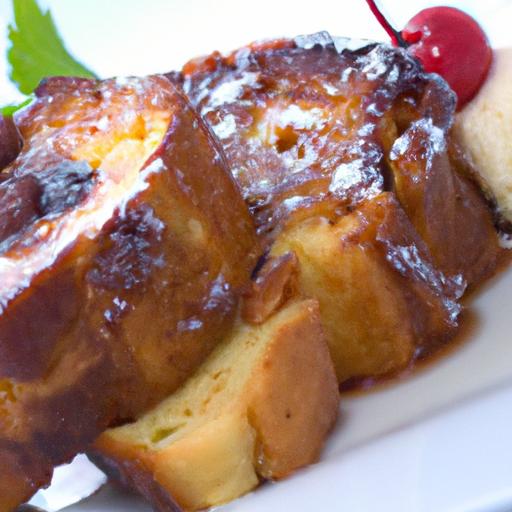

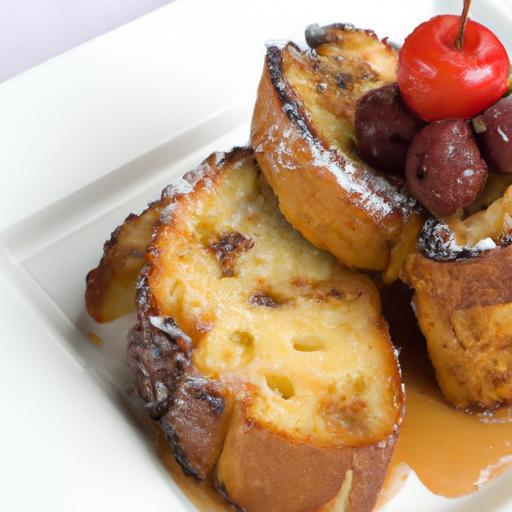
there’s something undeniably enchanting about teh first bite of pain perdu-a golden, custardy slice that whispers tales of indulgence and culinary artistry.Frequently enough brushed aside as a simple “French toast,” this beloved classic is, actually, a decadent delight steeped in history, technique, and passion. In this exploration, we’ll unravel the art behind gourmand pain perdu, revealing how humble ingredients transform into a sublime masterpiece. From the perfect custard soak to the alchemy of caramelized edges, prepare to discover why pain perdu is more than breakfast-it’s an experience, a celebration of flavor that invites every palate to savor a moment of pure, edible elegance.
Decadent Delight begins with Pain Perdu, a timeless french treasure that transforms humble day-old bread into a luscious custard-infused masterpiece. Originating from France’s rich culinary history, Pain Perdu-literally “lost bread”-was traditionally a thrifty way to prevent food waste, turning stale bread into a comforting feast. Today, it’s celebrated worldwide as an indulgent breakfast and brunch icon, marrying simplicity with gourmet elegance.
Prep and Cook Time
- Preparation: 15 minutes
- Cooking: 15 minutes
- Total Time: 30 minutes
Yield
Serves 4 generous portions
Difficulty Level
Medium – Perfect for cooks ready to elevate classic comfort food with precision.
Ingredients
- 6 slices day-old brioche or challah bread, about 1-inch thick
- 3 large eggs, room temperature
- 1 cup whole milk
- ½ cup heavy cream
- ¼ cup granulated sugar
- 2 tsp pure vanilla extract
- 1 tsp ground cinnamon
- Pinch of fine sea salt
- 3 tbsp unsalted butter, for frying
- powdered sugar (optional, for dusting)
- Fresh berries or sliced seasonal fruit, for garnish
- Pure maple syrup or artisan honey, to serve
Instructions
- Prepare your custard base: In a shallow bowl wide enough to dip your bread, whisk together eggs, whole milk, heavy cream, granulated sugar, vanilla extract, cinnamon, and salt until fully combined and smooth.
- Soak the bread: Lay the brioche slices flat in the custard. Let them soak for about 2-3 minutes per side, ensuring the bread soaks thoroughly but stays intact. Aim for a custard-soaked sponge texture without falling apart.
- Preheat your pan: Place a large skillet over medium heat and melt 1 tablespoon of unsalted butter. The butter should foam but not brown instantly-this temperature will ensure a golden crust.
- cook the Pain perdu: Transfer soaked bread slices to the hot pan.Sauté until golden brown and crisp on one side, about 4-5 minutes. flip carefully and cook the other side for another 3-4 minutes.
- Repeat as needed: Add remaining butter and cook the rest of the slices in batches to maintain even heat distribution.
- Finish and serve: Plate your pain Perdu slices, dust lightly with powdered sugar, and garnish with fresh berries or your choice of fruit. Drizzle pure maple syrup or honey generously over the top for an irresistible sheen and burst of sweetness.
Tips for Success
- Choose the right bread: Stale brioche or challah works best for its rich texture and ability to absorb custard without disintegrating.
- Custard balance: Whole milk and heavy cream blend gives an indulgent richness; you can substitute with coconut milk for a dairy-free alternative but expect slight texture change.
- Don’t over-soak: Keep a close eye while soaking to prevent soggy bread; you want a custard-soaked center with a crisp outer shell.
- Heat control: Moderate heat keeps the butter from burning while ensuring the Pain Perdu cooks evenly through the center.
- make-ahead: Custard mixture can be prepared up to a day in advance and refrigerated. Bring to room temperature before soaking bread.
- storage: Leftovers store well in an airtight container in the refrigerator for up to 2 days. Reheat gently in a skillet or oven to keep the crust crisp.
Serving Suggestions
For a visually stunning and delectable experience, stack Pain Perdu slices with alternating layers of fresh berries-think ripe strawberries, blueberries, and raspberries-for bursts of color and tart sweetness.Sprinkle edible flowers or finely chopped pistachios for added texture and elegance. Consider a side of lightly whipped mascarpone infused with a whisper of vanilla to balance the sweet custard richness. serve with small pitchers of warm maple syrup or artisanal honey on the side, inviting guests to drizzle to their heart’s desire. This approach creates a layered, sensory delight perfect for brunch gatherings or a luxe weekend treat.

| Nutrient | Per Serving |
|---|---|
| Calories | 350 kcal |
| Protein | 10 g |
| Carbohydrates | 38 g |
| Fat | 16 g |
Discover more refined techniques and indulgent recipes in our Ultimate Brunch recipes Collection.For deeper insights into French culinary traditions, visit French Culinary Culture.
Q&A
Q&A: decadent Delight – The Art of Gourmand Pain Perdu Explained
Q1: What exactly is “Pain Perdu”?
A1: Pain Perdu, literally translating to “lost bread,” is a classic French dessert born from the simple idea of rescuing stale or day-old bread. This humble foundation transforms into a luscious, custardy treat when soaked in a rich egg and milk mixture, then pan-fried to golden perfection. Essentially, it’s what many know as French toast-but elevated with finesse and flair.
Q2: Why is it called “Pain Perdu”?
A2: Historically, Pain Perdu was a clever way to use bread considered “lost” or past its prime. Rather than tossing out stale slices, resourceful cooks dipped the bread in egg custard, cooking it until crisp on the outside and tender inside-thus giving the bread new life and a decadent twist.
Q3: What makes Gourmet Pain Perdu different from regular French toast?
A3: Gourmet Pain Perdu takes the simple French toast formula and elevates it with attention to ingredient quality, technique, and presentation. Think brioche or challah instead of plain white bread, a custard infused with vanilla beans or citrus zest, and a gentle, precise cooking method that yields a delicately crisp crust with a custardy center. Toppings might include fresh berries, whipped cream, or a drizzle of artisanal honey or caramel.
Q4: What type of bread works best for Pain Perdu?
A4: The ideal bread is slightly dense yet soft, and able to soak up the custard without falling apart. Conventional choices include brioche, challah, or a good-quality country loaf. The slight sweetness and sturdiness of these breads make each bite rich and indulgent, perfect for carrying the flavors of the custard and toppings.Q5: How do you create the perfect custard for Pain Perdu?
A5: The custard is an elegant dance of eggs, whole milk or cream, sugar, and a touch of vanilla. The eggs lend structure and richness, while the milk adds creaminess. Light sweetness allows the bread to shine without overwhelming it. Some chefs gently infuse the custard with aromatic spices or citrus zest to add complexity, but balance is key to maintaining the dessert’s delicate charm.
Q6: What’s the secret to cooking Pain Perdu just right?
A6: Patience and temperature control are essential. Too hot,and the exterior burns before the inside is custardy; too cool,and the bread soaks up too much custard or becomes soggy. Cooking on medium-low heat, using butter for a golden crust, and turning carefully ensures a perfect crust and soft interior.
Q7: can Pain Perdu be served at any meal?
A7: Absolutely! Though frequently enough enjoyed as a luscious breakfast or brunch treat, Pain Perdu also shines as a dessert. Its rich texture and sweet flavors feel like a warm embrace any time of day.Paired with fresh fruit, a dusting of powdered sugar, or a drizzle of creamy sauces, it’s a versatile delight.
Q8: Are there any creative twists to traditional Pain Perdu?
A8: The art of Pain Perdu encourages creativity. Some add citrus zest or cinnamon to the custard, swap in almond milk or coconut cream for a different richness, or top with caramelized fruits, nuts, or even a sprinkle of edible flowers for a visual feast. The key is to preserve the crisp-custardy harmony while letting personal flair shine.
Q9: How does Pain Perdu celebrate the ethos of French cooking?
A9: Pain Perdu embodies French culinary values-transforming humble ingredients into something exquisite through technique, respect for flavor, and elegance. It’s a celebration of simplicity elevated by care and creativity, reminding us that even “lost” bread can be transformed into a splendid indulgence.Q10: What’s the best way to enjoy Pain Perdu for an unforgettable experience?
A10: Serve Pain Perdu warm, fresh from the pan, with a dusting of powdered sugar and a side of seasonal fruits. Fresh berries or stone fruits add brightness, while a dollop of crème fraîche or a drizzle of artisanal honey enhances the richness. Savor it slowly-each bite is a harmonious blend of textures and flavors, inviting you into a moment of pure, decadent delight.
In Retrospect
As the final bite of this sumptuous Pain Perdu lingers on the palate,we come to appreciate that this decadent delight is far more than a simple slice of French toast. It is indeed a celebration of technique,tradition,and the alchemy of everyday ingredients transformed into a culinary masterpiece. Whether enjoyed drizzled with honey, dusted with powdered sugar, or paired with fresh fruit, the art of gourmand Pain Perdu invites both novice cooks and seasoned chefs alike to embrace creativity and indulgence. In understanding its rich history and refined preparation, we unlock not just a recipe, but a timeless experience-one that turns breakfast into a canvas and each meal into a delicious story waiting to be told.