

here’s a certain magic in the delicate, buttery layers of a perfectly crafted croissant-each flaky fold telling a story of patience, precision, and passion. Welcome to the world of croissant feuilleté, where art and science meet to create that irresistibly crisp exterior and tender, airy interior. Weather you’re an aspiring home baker or a seasoned pastry enthusiast, mastering this iconic French masterpiece is a rewarding journey that transforms simple ingredients into a symphony of texture and flavour. In this guide, we’ll unravel the secrets behind the flaky layers, step by step, empowering you to bring the authentic taste of a Parisian bakery right to your own kitchen. Get ready to roll up your sleeves and embark on a buttery adventure that celebrates the timeless allure of the croissant feuilleté.
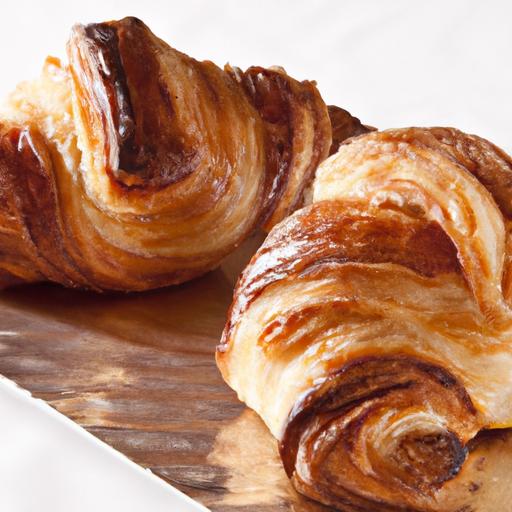
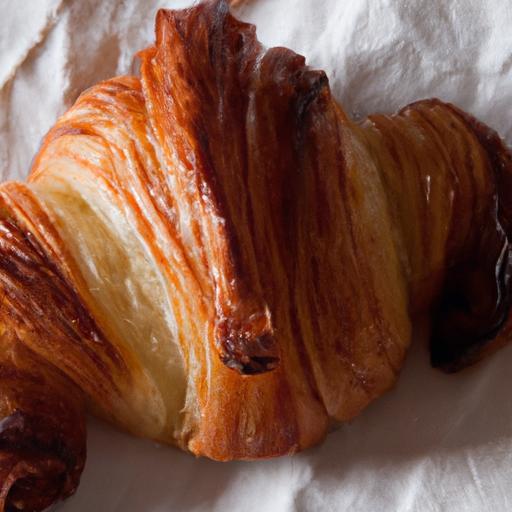
There’s a certain magic in the delicate, buttery layers of a perfectly crafted croissant—each flaky fold telling a story of patience, precision, and passion.
Welcome to the world of croissant feuilleté, where art and science meet to create that irresistibly crisp exterior and tender, airy interior.
Whether you’re an aspiring home baker or a seasoned pastry enthusiast, mastering this iconic French masterpiece is a rewarding journey that transforms simple ingredients into a symphony of texture and flavor.
In this guide, we’ll unravel the secrets behind the flaky layers, step by step, empowering you to bring the authentic taste of a Parisian bakery right to your own kitchen.
Get ready to roll up your sleeves and embark on a buttery adventure that celebrates the timeless allure of the croissant feuilleté.
Understanding the Science behind Flakiness and Layers
Mastering the Flaky Art: croissant Feuilleté brings you closer to the delicate interplay between butter and dough that defines true pastry excellence. The secret to those irresistibly flaky layers lies in the lamination process-a technique where cold butter is encased within dough and then folded repeatedly. This creates thin, alternating layers of dough and butter that puff up beautifully during baking, thanks to steam released from the butter’s moisture. Each fold traps air,causing those iconic,buttery layers to rise and separate into airy,crisp textures.
Understanding the behavior of gluten development and fat melting points helps you anticipate your croissants’ rise and mouthfeel. Too warm, and butter leaks out, ruining layers; too cold, and you risk a tough crumb. This balance brings the croissant feuilleté to life as an airy, tender, and flaky masterpiece.
Selecting the Perfect Ingredients for Authentic Croissant Feuilleté
The heart of achieving exquisite croissant feuilleté lies in building flavor and texture through smart ingredient choices. Start with high-quality all-purpose or bread flour-bread flour enhances gluten strength for elasticity but remains tender when folded correctly. Choose a unsalted European-style butter with 82% fat content or higher; its firm texture and rich flavor offer ideal lamination and buttery richness. The butter must be cold but pliable-not too hard, not too soft-to form consistent layers.
For liquid, use cold whole milk to enrich dough tenderness and flavor complexity. A touch of granulated sugar balances richness and promotes a light golden crust. Moist yeast activates the dough’s rise, ensuring the soft, airy crumb beneath the flaky crust. Lastly, a pinch of fine sea salt sharpens all these flavors and strengthens gluten strands, crucial for withstand multiple folds and turns.
Step by Step Technique to achieve the Ideal Lamination
- prepare the détrempe (dough): Mix cold milk, sugar, yeast, flour, salt, and a small amount of softened butter. Knead untill smooth and elastic, then rest chilled for at least 1 hour to allow gluten to relax.
- Shape the butter block (beurrage): Pound and roll cold butter into a rectangular slab about 7×7 inches. Keep it chilled but soft enough to fold evenly.
- Encasing the butter: Roll out the dough to a large rectangle, place the butter block in the center, then fold the dough edges over to fully envelop the butter without pressing seams tight (to allow expansion).
- First fold (tour simple): Roll the butter-encased dough out carefully to a long,thin rectangle approximately 24 inches long. Fold into thirds like a letter. Wrap and chill for 30-45 minutes,allowing the butter to solidify back into shape.
- Second and third folds: Repeat the rolling and folding process two more times, chilling the dough between each to maintain butter integrity and prevent melting.
- Final shaping: Roll out the laminated dough to your desired thickness, then cut and shape into classic croissant crescents or your preferred style for proofing.
- Proofing and baking: Let your croissants proof at a warm, humid temperature (75°F/24°C) until doubled in size but still slightly jiggly to the touch. Bake in a preheated oven at 375°F (190°C) until deeply golden with visible, crisp layers-usually 15-18 minutes.
Expert Tips for Baking and Storing Your Croissants Perfectly
- Oven steam is your secret weapon: Place a pan of hot water at the bottom rack when preheating. The burst of steam helps the croissants expand fully,forming glossy crispy crusts.
- Watch butter condition closely: If the butter gets too soft during folding, chill the dough longer. If too hard, cracks will form-both ruin flakiness.
- Proof croissants in a warm but not hot spot: Too warm causes butter to melt prematurely, flattening layers.
- To store croissants: Once cooled, wrap individually in parchment and freeze in an airtight container. Reheat in a 350°F oven for 5-7 minutes to revive flaky texture.
- for day-of freshness: Hold proofed croissants in the fridge overnight. Bake the next morning for fresh, fresh-baked aromas and layers.
Prep and Cook Time
- Planning: 3 hours (includes chilling and resting times)
- Proofing: 1.5-2 hours
- Baking: 15-18 minutes
Yield

Produces approximately 12 classic-sized croissants
Difficulty Level
Advanced - Requires attention to detail and patience throughout lamination
Ingredients
- 3 ½ cups (440g) bread flour, sifted
- ¾ cup (180ml) whole milk, cold
- 2 ¼ tsp (7g) active dry yeast
- ¼ cup (50g) granulated sugar
- 1 ½ tsp fine sea salt
- 1 cup (225g) unsalted European-style butter, cold
- 2 tbsp (30g) softened unsalted butter (for dough enrichment)
Instructions
- Activate yeast: In a small bowl, combine warm milk (95°F/35°C) and yeast. Let stand 5 minutes until foamy.
- Mix dough: In a mixing bowl, whisk flour, sugar, and salt.Add yeast mixture and softened butter. Knead on medium speed or by hand until dough is elastic but not sticky – about 8-10 minutes.
- First chill: shape dough into a flat disk, wrap in plastic, and chill for 1 hour.
- Prepare butter block: Place cold butter between parchment paper and pound with rolling pin into a 7×7 inch square. Keep refrigerated until ready.
- laminate: Roll dough into 15×15 inch square, place butter in center, fold edges over butter. Roll to 24 inches, fold in thirds. Chill 30-45 minutes. Repeat roll and fold twice more, chilling between.
- Shape croissants: Roll dough to ¼ inch thickness, cut triangles 5×8 inches. Roll into classic crescent shapes, curve ends.
- Proof: Cover croissants and proof at 75°F (24°C) with humidity for 1.5-2 hours until doubled and jiggly.
- Bake: Preheat oven to 375°F (190°C) with steam pan.Bake croissants for 15-18 minutes until golden and flaky.
- Cool before serving: Let croissants cool on wire racks for at least 15 minutes for best texture and flavor.
Chef’s Notes & Tips for Success
- Using European-style butter with higher fat content (82%+) is essential for rich flavor and crisp layers.
- If admitted to rush, chilling dough overnight between folds yields better control and flavor development.
- for extra shine, brush croissants lightly with egg wash just before baking.
- Experiment with fillings like almond cream or dark chocolate for decadent variations.
- Explore artisan bread techniques to enhance gluten development and texture.
- Learn more about the chemistry of dough and butter on ScienceDaily.
Serving Suggestions
Lightly dust your croissant feuilleté with powdered sugar or brush with melted apricot glaze for a glossy finish. Serve warm alongside rich coffee or fresh fruit preserves. Pair with a bowl of fresh berries or a delicate herb-infused butter to elevate your breakfast or brunch spread visually and gastronomically. For a delightful snack, slice horizontally and fill with creamy goat cheese and smoked avocado slices.
| Nutrition | Per Croissant (approx.) |
|---|---|
| Calories | 320 kcal |
| Protein | 6 g |
| Carbohydrates | 32 g |
| Fat | 17 g |

Q&A
Q&A: Mastering the Flaky art: Croissant Feuilleté Recipe Guide
Q1: What makes a croissant feuilleté different from a regular croissant?
A1: While both share the buttery, flaky essence, a croissant feuilleté takes lamination to the next level. It’s all about those ultra-thin, crisp layers that almost shatter in your mouth. The technique involves multiple folds and turns of the dough with butter layers, producing an even airier, flakier texture than your everyday croissant.Q2: What’s the secret to achieving perfect lamination in croissant dough?
A2: Patience meets precision! The secret lies in chilling the dough between folds to ensure the butter stays cold and creates distinct layers rather than melting into the dough. Use cold butter blocks, roll gently but firmly, and allow ample resting time. This choreography of rolling and folding is the heartbeat of feuilleté magic.
Q3: Can I make croissant feuilleté without a stand mixer?
A3: Absolutely! While a stand mixer speeds up kneading, hand-kneading can yield equally stunning results.Just keep your movements rhythmic and consistent, and be mindful not to overwork the dough. A bit of elbow grease paired with love can craft dough worthy of a patisserie window.
Q4: How do I prevent the butter from leaking out during baking?
A4: Maintaining the butter’s firmness during lamination is key. Keep your dough and butter cold throughout the process. Also, avoid over-flouring the surface, as too much flour can cause uneven layering. When shaping, seal edges gently but firmly to trap that buttery goodness inside, ensuring flaky pockets without messy leaks.
Q5: What’s the ideal oven temperature and baking time for croissant feuilleté?
A5: Aim for a hot start-around 200°C (390°F)-to get the dough puffing up beautifully. After about 10 minutes,reduce to 175°C (350°F) to finish baking without burning the crust. Total baking time typically runs 20-25 minutes, but keep an eye on that golden hue-the devil’s in the delightful detail!
Q6: Are there any creative flavor twists that complement the classic croissant feuilleté?
A6: Certainly! While traditionalists adore pure butter bliss, you can infuse subtle flavors like a hint of vanilla or citrus zest in the dough. for fillings, think sweet treasures like almond cream, fruit preserves, or decadent chocolate. Just remember, simplicity often highlights that flaky craftsmanship best.
Q7: How do I store croissant feuilleté to keep them fresh and flaky?
A7: Freshness loves crisp air! Store croissants in a paper bag at room temperature if you plan to enjoy them within a day. For longer storage, freeze them before baking and bake straight from the freezer with a few minutes added to baking time. Avoid airtight plastic bags, as moisture makes them soggy and dulls those glorious layers.
Q8: Can I use choice fats if I want to avoid butter?
A8: Butter is the conventional king for lamination thanks to its water content and pliability, critical for perfect layers. Tho, if you need alternatives, high-quality margarine designed for puff pastry can work, but expect subtle differences in flavor and texture. Plant-based butters specifically formulated for baking can be a worthy experiment,provided they have similar plasticity to butter.
Q9: What common mistakes should bakers avoid when making croissant feuilleté?
A9: The usual suspects include rushing the resting phases, warming the dough too much (hello, melty butter!), and uneven rolling that creates irregular layers. Patience, cool hands, and an eye for detail transform potential pitfalls into flaky triumphs. remember,every fold builds that ethereal texture croissants are famed for.Q10: Why does the croissant feuilleté sometimes turn out dense instead of light and flaky?
A10: Density often signals insufficient lamination or overworking. Too few folds mean fewer butter layers, leading to heaviness. Over-kneading develops too much gluten, making the crumb tight. Make sure to follow the folding schedule, keep the dough cold, and handle it gently to achieve that iconic lightness with a delicate crunch.
The Way Forward
As you close the chapter on this flaky journey, remember that mastering the art of croissant feuilleté is as much about patience and precision as it is about passion.Each delicate layer tells a story of careful folds, chilly rests, and buttery dreams coming to life. With this guide in hand,you’re no longer just baking-you’re crafting a symphony of textures and aromas that dance in the oven and delight the senses at the table. So, roll up your sleeves, embrace the buttery challenge, and let every croissant you create become a testament to the timeless magic of feuilleté mastery. Happy baking!