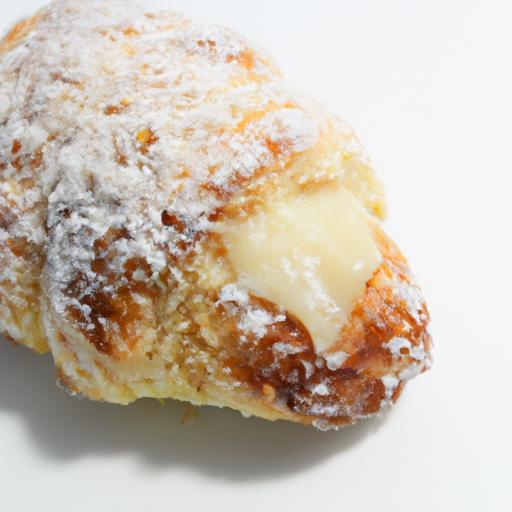
Flaky, buttery, and irresistibly fragrant, the croissant has long been a beloved staple in the world of pastries. Yet, beyond its classic golden layers lies a delightful variation that infuses a tropical twist into this French icon: the Croissant Coco. This enchanting treat marries the delicate crispness of a traditional croissant with the rich, creamy essence of coconut, creating a symphony of flavors that transport your taste buds too sun-drenched shores. In this ultimate guide to Croissant Coco,we’ll explore its origins,uncover the secrets behind its perfect texture,and share tips on how to enjoy-or even bake-this coconut delight at home. Whether you’re a devoted pastry enthusiast or simply curious about new culinary horizons, prepare to embark on a mouthwatering journey into the world of Croissant Coco.
The Origins and Evolution of Croissant Coco: Unveiling the Perfect Coconut Filling Techniques for Maximum Flavor Pairing, Croissant Coco with Coffee and Tea, Expert Tips for Baking the Fluffiest Coconut Croissants at Home
Croissant Coco has carved a flavorful niche in the world of pastries, blending the buttery, flaky layers of a classic croissant with the tropical warmth of coconut. this delightful fusion originated from maritime trades where coconut flavors were introduced into European baking traditions, evolving into a beloved treat cherished in cafes worldwide today. Personally, the aroma of freshly baked Croissant Coco brings back memories of cozy mornings sipping rich coffee in a sunlit Parisian-style kitchen-where every bite marries melt-in-your-mouth flakiness with the luscious, fragrant coconut filling.
Prep and Cook Time
- Readiness: 35 minutes (plus 3 hours dough resting and chilling)
- Cooking: 15-18 minutes
- Total Time: Approximately 4 hours
Yield

8-10 perfectly sized Croissant Coco servings
Difficulty Level
Medium – Ideal for bakers pleasant with laminated dough and custard fillings
Ingredients
- For the Croissant Dough:
- 3 ¼ cups (400g) all-purpose flour, sifted
- ¼ cup (50g) granulated sugar
- 1 tbsp active dry yeast
- 1 ¼ tsp salt
- 1 ¼ cups (300ml) whole milk, lukewarm
- 1 tbsp unsalted butter, melted
- 1 cup (225g) unsalted butter, cold and cubed (for laminating)
- For the Coconut Filling:
- 1 cup (90g) unsweetened shredded coconut, finely chopped
- ½ cup (120ml) coconut milk, full-fat
- ⅓ cup (65g) brown sugar, packed
- 2 tbsp unsalted butter, softened
- 2 tbsp cornstarch
- ½ tsp pure vanilla extract
- Pinch of salt
- For the Egg Wash: 1 large egg, beaten with 1 tbsp water
Instructions
- Make the Dough: In a mixing bowl, combine lukewarm milk, sugar, and yeast. Let stand 5 minutes until foamy. Add sifted flour, salt, and melted butter. Mix until a soft dough forms. Knead for 8-10 minutes until smooth and elastic.
- First Rise: Place dough in a lightly greased bowl, cover with plastic wrap. Let rise in a warm place for 1 hour or until doubled in size.
- Prepare the Butter Block: On parchment paper,shape the cold butter into a 7×7 inch square. Chill until firm but pliable.
- Lamination: Roll dough into a 10×10 inch square. Place butter block in center, fold dough edges over butter to encase. Roll out gently into a 20×10 inch rectangle, fold into thirds (letter fold). Chill 30 minutes. Repeat rolling and folding two more times, chilling between each to create flaky layers.
- Make the Coconut Filling: In a saucepan over medium heat, whisk together coconut milk, brown sugar, cornstarch, and salt. stir constantly until thickened, about 4-5 minutes. Remove from heat, fold in shredded coconut, softened butter, and vanilla extract. Let cool completely.
- Shape the Croissants: Roll dough into a 20×12 inch rectangle. Cut into 10 triangles. Spoon 1 tbsp coconut filling near the wide end of each triangle. Gently roll towards the tip, tucking ends slightly to seal. Place on parchment-lined baking sheets.
- Second Rise: Cover croissants loosely with plastic wrap. Let rise for 1 hour or until puffy.
- Preheat Oven and Egg Wash: Preheat oven to 375°F (190°C). Brush croissants lightly with egg wash for a golden shine.
- bake: Bake for 15-18 minutes until deeply golden and flaky. Rotate baking sheets halfway for even browning.
- Cool & Serve: Transfer to wire racks to cool slightly before serving.
Tips for Success
- Butter Temperature: Keep your butter cold but pliable during lamination for crisp, flaky layers.
- Coconut Texture: Finely chop shredded coconut for a smoother filling that melds perfectly with the pastry.
- Custard Consistency: Allow the coconut filling to cool fully before using to prevent dough sogginess.
- Make-Ahead: Prepare filling and dough chilling stages the day before, complete shaping and baking the next morning for fresh croissants.
- Flavor Variations: Add a sprinkle of toasted coconut or a drizzle of dark chocolate for a rich twist.
- Common Issue: If layers blend together, chill the dough longer between folds to firm up the butter.
Serving Suggestions
Serve these luscious coconut croissants warm, paired perfectly with a cup of robust coffee or your choice of fragrant tea. Garnish with a light dusting of powdered sugar and a few toasted coconut flakes for visual contrast and added crunch. A dollop of homemade whipped cream or coconut yogurt on the side amplifies the tropical indulgence.

| Nutritional Info (Per Croissant) | Amount |
|---|---|
| Calories | 350 kcal |
| Protein | 6 g |
| Carbohydrates | 38 g |
| Fat | 18 g |
For more on mastering laminated pastries, explore our Guide to Flaky Puff Pastry. To understand the science behind butter layers in croissants, visit Serious Eats’ anatomy of croissants.
Q&A
Q&A: Croissant Coco – The Ultimate Guide to This Coconut Delight
Q1: What exactly is a Croissant Coco?
A1: Croissant Coco is a luscious twist on the classic French pastry, blending the buttery, flaky layers of a croissant with the tropical essence of coconut. It’s typically filled or topped with coconut cream, shredded coconut, or a sweet coconut paste, creating a delightful medley of textures and flavors.
Q2: How did Croissant Coco come to be?
A2: While the croissant has its roots in France and Austria, the Croissant Coco is a more modern fusion, inspired by tropical flavors that beautifully complement the rich, buttery dough. This delightful hybrid was popularized in places where coconut is a beloved ingredient, infusing a classic pastry with exotic warmth and sweetness.
Q3: What makes the dough for croissant Coco different from a regular croissant?
A3: The dough itself remains true to the traditional croissant method-rich, laminated layers of butter and dough folded multiple times for that iconic flakiness. Sometimes, a hint of coconut milk or coconut oil is incorporated into the dough to subtly enhance its tropical character without sacrificing the classic texture.Q4: What are the common fillings or toppings used in Croissant Coco?
A4: Popular fillings include coconut cream, coconut custard, or a mixture of shredded coconut and sugar for a chewy, sweet surprise inside. Toppings might feature toasted coconut flakes, coconut glaze, or powdered sugar dusted on top. Some versions include a drizzle of chocolate or vanilla to complement the coconut flavor.Q5: Can Croissant Coco be made vegan or dairy-free?
A5: Absolutely! With the right substitutions-using coconut oil or plant-based margarine rather of butter, and coconut milk or almond milk in the dough-you can create a vegan-friendly Croissant Coco that retains the signature flakiness and rich taste. The coconut theme naturally lends itself well to dairy-free adaptations.
Q6: How should Croissant Coco be served for the best experience?
A6: Croissant Coco tastes heavenly when served fresh and slightly warm,allowing the coconut filling to soften and the flaky layers to shine. Pair it with a cup of coconut-infused coffee, a tropical fruit smoothie, or simply enjoy it on its own for a bite of paradise.
Q7: Are there savory versions of Croissant Coco?
A7: While Croissant Coco is traditionally a sweet treat,adventurous bakers sometimes experiment with savory variations-such as filling the croissant with spiced coconut chutney,coconut curry,or coconut-infused cheeses paired with fresh herbs-offering a fusion of tropical and savory flavors.
Q8: How can I make my own Croissant Coco at home?
A8: Making Croissant Coco from scratch takes patience and a bit of pastry skill, mainly to perfect the laminated dough. Start with your favorite croissant dough recipe, add coconut milk or coconut oil into the mix, prepare a coconut filling or topping, and assemble. Baking until golden and fragrant finishes the process.There are numerous step-by-step recipes and video tutorials online to guide you through the journey.
Q9: What makes Croissant coco stand out among other coconut desserts?
A9: Its unique marriage of buttery French pastry technique with tropical coconut flavors creates a layered experience-in taste and texture. Unlike typical coconut cakes or macaroons, Croissant Coco delights with its flaky, airy structure combined with creamy, sweet coconut elements, making it both familiar and wonderfully exotic.
Q10: Where can I find the best Croissant Coco?
A10: Croissant Coco is gaining popularity in bakeries across tropical and cosmopolitan cities. Artisanal patisseries that specialize in fusion pastries frequently enough feature it on their menu. If you can’t find one nearby, many bakeries offer coconut-inspired croissants seasonally or as special editions-so keep an eye out or try your hand at baking!
In Summary
Whether you’re a seasoned pastry aficionado or a curious foodie eager to explore new flavors, the croissant coco offers a sublime blend of flaky, buttery layers and tropical sweetness that’s simply irresistible. This delightful fusion not only redefines the classic croissant but invites you to experience a taste journey where tradition meets innovation. So next time you crave something that dances between familiar comfort and exotic flair, reach for a croissant coco – a true coconut delight that promises to awaken your palate and inspire your baking adventures. Happy indulging!