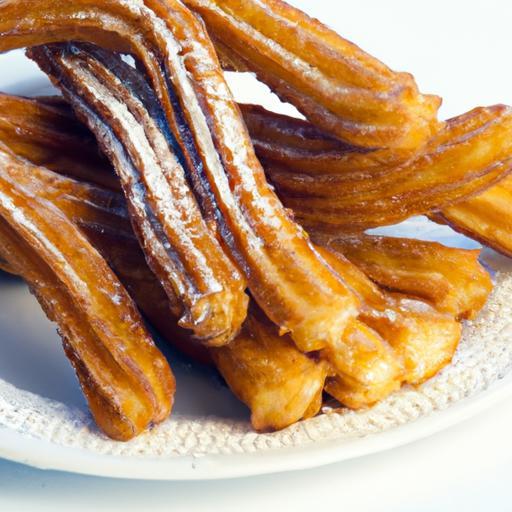
Ther’s something undeniably magical about the first bite into a freshly made churro-the delicate crunch giving way to a warm, fluffy center, dusted generously wiht cinnamon sugar. Crispy Spanish churros are more then just a beloved treat; they are a culinary emblem steeped in history and tradition, a sweet journey that travels from bustling street stalls to cozy cafés across Spain and beyond. In this article, we’ll explore the origins of these golden fried delights, uncover the secrets behind their irresistible texture, and celebrate the cultural rituals that have made churros a timeless indulgence enjoyed by generations. Prepare to dive into the art and heritage of crispy Spanish churros, where every crisp bite tells a story.
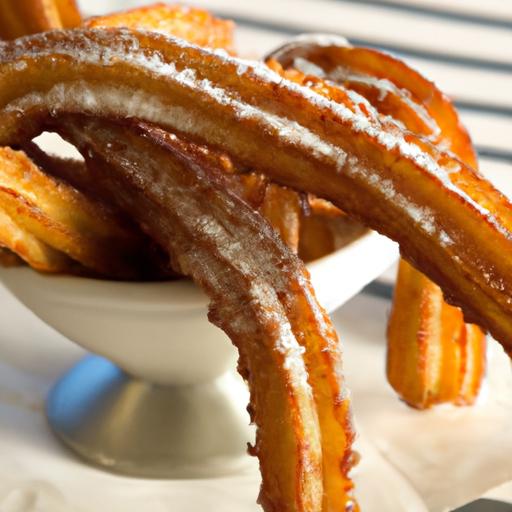
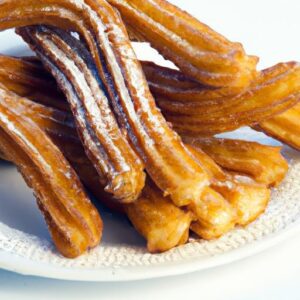
Crispy Spanish Churros have long been a beloved indulgence that transcends borders, bringing joy from bustling street corners in Madrid to festive kitchens worldwide. Their golden, ridged exterior crackles with every bite, revealing a tender, pillowy interior that delights all ages. Rooted in Spanish tradition, churros are much more than a simple fried dough treat-they are a symbol of conviviality, family gatherings, and sweet moments that invite you to slow down and savor life.
Originally believed to have been introduced to Spain by Spanish shepherds who ate them as a quick and portable breakfast in the mountains, churros epitomize rustic simplicity elevated to an art form. Over centuries, this humble dough, fried to perfection, has evolved regionally and globally, inspiring countless variations that cater to every palate, from purists craving the classic cinnamon sugar coating to innovative chefs experimenting with flavored doughs and fillings.
Prep and Cook Time
- Planning: 10 minutes
- Cooking: 15 minutes
- Total Time: 25 minutes
Yield
Serves 4-6 hungry churro lovers
Difficulty Level
Easy to Medium – Perfect for beginners with a bit of frying experience
Ingredients
- 1 cup all-purpose flour, sifted
- 1 cup water
- 2 tablespoons granulated sugar
- 1/4 teaspoon salt
- 2 tablespoons vegetable oil (plus extra for frying)
- 1 teaspoon pure vanilla extract
- 1/2 cup granulated sugar mixed with 1 tablespoon ground cinnamon (for coating)
Instructions
- Prepare the dough: In a medium saucepan, combine water, sugar, salt, and vegetable oil. Bring to a boil over medium heat. Once boiling, remove from heat immediately.
- Incorporate the flour: Quickly add the all-purpose flour all at once, stirring vigorously with a wooden spoon until the mixture forms a thick, smooth dough that pulls away from the sides of the pan. Allow it to cool for 5 minutes.
- Add vanilla extract: Stir in the vanilla extract until evenly incorporated; this adds a subtle aromatic sweetness that enhances the churros’ flavor.
- Heat oil for frying: in a deep,heavy-bottomed pot,pour enough vegetable oil to reach 2 inches deep. Heat to 375°F (190°C)-a deep-fry thermometer is ideal for safety and accuracy.
- Shape the churros: Spoon the dough into a large piping bag fitted with a star-shaped nozzle. Carefully pipe 4-6 inch lengths directly into the hot oil, cutting the dough with scissors or a knife as you go. Work in batches to avoid overcrowding.
- Fry until golden: Fry for about 2-3 minutes per side, turning once when the churros turn a rich golden brown and crisp. Avoid stirring or crowding, ensuring each churro crisps evenly.
- Drain and coat: Remove churros with a slotted spoon and transfer to a plate lined with paper towels to drain excess oil. while still warm, roll churros in the cinnamon sugar mixture until fully coated.
- Serve immediately: For best texture,enjoy churros hot and fresh with your choice of dips.
Tips for Success
- Ensure oil temperature stays consistent-too hot and the churros burn outside but stay raw inside; too cool and they absorb excessive oil, becoming soggy.
- For gluten-free variation, substitute all-purpose flour with a 1:1 gluten-free blend formulated for baking, though texture will be slightly different.
- If the dough tightens in the piping bag, gently warm it slightly or knead briefly to loosen before continuing.
- Make-ahead tip: You can prepare the dough up to step 3 in advance, storing it covered at room temperature for a few hours, then reheating slightly before piping.
Serving Suggestions
Traditionally, Spanish churros are best paired with a cup of thick, rich hot chocolate for dipping-its silky texture perfectly balances the crunchy exterior and tender crumb. For modern twists, experiment with a variety of dips like homemade salted caramel sauce, dulce de leche, or vibrant berry coulis to bring fresh fruity notes.
Garnish ideas: Sprinkle additional cinnamon sugar or a dusting of powdered sugar. Fresh mint leaves or edible flowers add a festive touch when serving at gatherings or celebrations.
This versatile treat shines during festive occasions such as Cinco de Mayo, Christmas markets, or Sunday brunches with loved ones, elevating every shared moment into a cherished memory.
| Nutrition per serving | Amount |
|---|---|
| Calories | 250 |
| Protein | 4g |
| carbohydrates | 35g |
| Fat | 10g |
Explore more delightful Spanish recipes to bring the warmth of Iberian cuisine to your table in our Spanish Desserts Collection or dive into the rich history of customary pastries at Britannica’s Churro Article.

Q&A
Q&A: Crispy Spanish Churros – A Sweet Journey Through tradition
Q1: What exactly are churros, and where did they originate?
A1: Churros are golden, deep-fried dough pastries, known for their crispy exterior and tender, airy interior.Though beloved across many countries, their roots trace back to Spain, where shepherds are said to have created them as a simple, portable snack to enjoy while tending flocks in the mountains. this humble origin blossomed into a culinary tradition that continues to delight taste buds worldwide.
Q2: What makes traditional Spanish churros unique compared to othre versions?
A2: Traditional Spanish churros differ in their shape and texture. Typically, they are ridged, formed by piping dough through a star-shaped nozzle before frying. This design not only lends them an iconic look but also creates delightful crispy edges. Spanish churros tend to be thinner and longer, perfect for dipping into velvety hot chocolate-a pairing that epitomizes Spanish comfort food.
Q3: How is the dough for churros traditionally made?
A3: The magic begins with a simple dough made from water, flour, a pinch of salt, and a touch of sugar. Unlike many pastries,no yeast or baking powder is used,so the churros rely solely on frying to achieve their signature crunch. The batter is cooked briefly on the stovetop to create a smooth, thick consistency before being piped directly into hot oil.
Q4: Why is the frying process so crucial in making churros crispy?
A4: Frying at the right temperature-usually between 350°F to 375°F (175°C to 190°C)-allows the dough to cook evenly and quickly, forming a hard exterior before the inside absorbs too much oil. This rapid cooking locks in moisture, producing a crispy crust that contrasts wonderfully with the soft, hot interior. Precision in this step is what separates ordinary fried dough from truly authentic churros.
Q5: What traditional accompaniments elevate the churro experience?
A5: In Spain, churros are frequently enough enjoyed dusted with a generous coating of cinnamon-infused sugar, which adds warmth and sweetness. The ultimate companion is rich, thick hot chocolate, perfect for dunking. This combination transforms a simple snack into a cozy, indulgent ritual, especially cherished during cold mornings or festive celebrations.
Q6: Can churros be flavored or adapted while respecting tradition?
A6: Absolutely! While the classic recipe is beloved, modern variations incorporate a subtle twist without losing authenticity.Adding a hint of orange zest or vanilla to the dough offers a fresh aroma. Filling churros with delicious creams or chocolate can add decadence, though traditionalists often prefer enjoying the dough and dip in their purest form. the beauty lies in balancing innovation with respect for history.
Q7: What cultural meaning do churros hold in Spain?
A7: Beyond being a delicious treat, churros symbolize shared moments-morning chats in bustling cafés, spirited fiestas, and family gatherings.They are emblematic of Spanish conviviality, a food that invites connection and warmth. Whether sold by street vendors or crafted at home, churros carry the essence of tradition and joy across generations.
Q8: Are churros generally gluten-free or suitable for special diets?
A8: Traditional churros are made with wheat flour, which contains gluten. However, adaptations using gluten-free flour blends can be made to accommodate dietary needs, though the texture may vary slightly.For those seeking alternatives, experimenting with rice or chickpea flours provides captivating results, but the classic churro’s crispy bite is best achieved with wheat.
Q9: How can I enjoy churros beyond the classic sugar-and-chocolate pairing?
A9: While sugar and hot chocolate reign supreme, churros also shine alongside fresh fruit compotes, luscious caramel sauces, or nut butters. Some enjoy sprinkling them with powdered sugar or dipping them into creamy custards. The versatility of churros invites creative exploration, making each sweet journey uniquely satisfying.
Q10: Where should someone start if they want to try making authentic crispy Spanish churros at home?
A10: Begin with sourcing good-quality all-purpose flour and investing in a sturdy piping bag with a star tip, which shapes the dough and creates those signature ridges. Keep a thermometer handy to maintain oil temperature, and remember: patience and care during frying are key. Pair freshly fried churros with homemade hot chocolate, and you’ll be transported to a sunlit Spanish café right from your kitchen.
Future outlook
As the last golden strand of sugar-dusted churro melts on your tongue, your not just savoring a simple treat-you’re partaking in a rich tapestry woven through centuries of spanish culture and culinary passion. From humble street carts to festive celebrations, crispy Spanish churros continue to sweeten moments and connect generations. So next time you dip that warm, crunchy delight into luscious chocolate, remember: you’re indulging in more than just flavor-you’re experiencing a timeless tradition, one crispy bite at a time.