


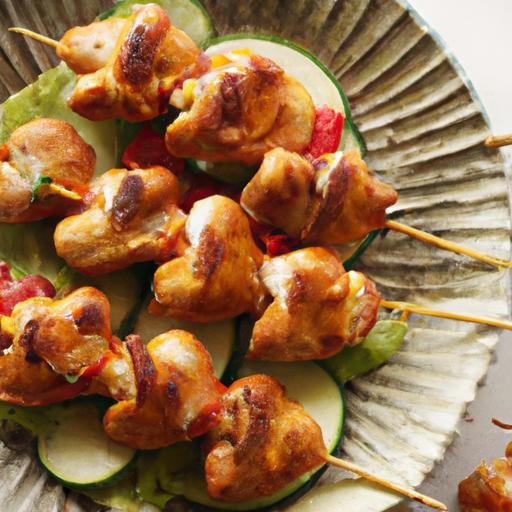
Amid the bustling streets of Japan, where tradition and modernity dance in harmony, one humble dish has captured the hearts-and taste buds-of locals and travelers alike: chicken yakitori. These succulent, smoky skewers, kissed by open flames and seasoned with a perfect balance of savory sauce and subtle char, offer more than just a meal-they deliver a sensory journey into Japan’s rich culinary heritage. In this article, we’ll delve into the art of savoring chicken yakitori, uncovering the cultural significance, grilling techniques, and flavour secrets that make this grilled skewer delight an irresistible staple in izakayas and street stalls across the country. Whether your a food enthusiast or a curious newcomer, prepare to embark on a appetizing exploration of Japan’s beloved yakitori tradition.
Savoring Chicken Yakitori opens the door to a world of smoky, succulent grilled skewers adored throughout Japan. This classic street food delicacy has roots in post-war Japan, where vendors began skewering bite-sized chicken pieces, grilling them over charcoal, and glazing them with tantalizing sauces. What makes this dish truly special is its balance-juicy chicken perfectly kissed by flames, paired with an umami-packed sauce that is both sweet and savory. Whether enjoyed at a bustling izakaya or recreated at home, chicken yakitori embodies comfort, tradition, and mastery of simple ingredients elevated by technique.
Prep and Cook Time
- Planning Time: 20 minutes
- Cook Time: 15 minutes
- Total Time: 35 minutes
Yield
Serves 4 people (approximately 12 skewers)
Difficulty Level
medium – Requires some grill attention and sauce balancing but achievable even for excited home cooks.
Ingredients
- 500g boneless chicken thighs, trimmed and cut into 1-inch pieces
- 12 bamboo skewers, soaked in water for 30 minutes
- 2 tbsp vegetable oil (for grill brushing)
- Freshly ground black pepper, to taste
For the Yakitori Sauce (Tare):
- 1/3 cup soy sauce (use a quality Japanese shoyu if possible)
- 1/4 cup mirin
- 2 tbsp sake (Japanese rice wine, optional for depth, but omit if unavailable)
- 2 tbsp granulated sugar
- 1 garlic clove, smashed
- 1 small piece fresh ginger (about 1 inch), sliced
Instructions
- Prepare the yakitori sauce: In a small saucepan, combine soy sauce, mirin, sake (if using), sugar, garlic, and ginger. Bring to a gentle boil, then reduce heat and simmer for 10 minutes until the sauce thickens slightly. Remove garlic and ginger pieces. Set aside to cool.
- Thread the chicken: Carefully skewer the chicken pieces onto the bamboo sticks, leaving a small gap between pieces to ensure even cooking and smoke exposure.
- Preheat your grill or grill pan: lightly oil the grill grates to prevent sticking. The cooking temperature shoudl be medium-high to achieve a beautiful char without burning.
- Grill the skewers: Place the chicken skewers on the grill. Cook for 4-5 minutes on one side without moving to develop a nice sear.
- Turn and baste: Turn the skewers and brush generously with the yakitori sauce. Continue grilling, basting every 2 minutes until the chicken is cooked through, glossy, and caramelized (about 10-12 minutes total).
- Final touch: after removing from the grill, let the skewers rest for a minute. Optionally,brush again lightly with sauce and sprinkle with freshly ground black pepper or finely chopped scallions.
- Serve warm: Present the skewers instantly for the best flavor and texture.
Tips for Success
- Choosing cuts: Chicken thighs are ideal for authentic yakitori due to their flavor and juiciness.avoid lean breast meat alone as it can dry out easily.
- Skewer soaking: Soak bamboo skewers for at least half an hour to prevent burning on the grill.
- Charcoal grilling: If possible, opt for a charcoal grill to impart a smoky authenticity you won’t get from stovetop grilling.
- Sauce thickening tip: Simmer the tare sauce gently; too high heat can burn the sugar making it bitter.
- Make-ahead: Sauce can be stored refrigerated for up to a week – perfect for rapid yakitori nights.
Serving Suggestions
Plate your chicken yakitori alongside wedge-cut lemon slices to brighten the deeply savory profile with a fresh citrus pop. Garnish with toasted sesame seeds or finely sliced spring onions to add texture and color. For a truly authentic experience, accompany with steamed white rice or a simple bowl of Japanese miso soup. To elevate pairing, opt for classic Japanese drinks such as sake, especially a chilled junmai, or fresh light lagers that cleanse the palate between skewers. non-alcoholic choices like green tea or yuzu soda add bright, refreshing notes.

| Nutrient | Per Serving (3 skewers) |
|---|---|
| Calories | 280 kcal |
| Protein | 32 g |
| Carbohydrates | 8 g |
| Fat | 12 g |
Q&A
Q&A: Savoring Chicken Yakitori – Japan’s Grilled Skewer Delight
Q1: What exactly is yakitori, and why is it so beloved in Japan?
A1: Yakitori is a classic japanese dish featuring bite-sized pieces of chicken skewered and grilled over charcoal. Its charm lies in the simplicity and versatility-each skewer is a harmonious blend of tender meat, subtle seasoning, and smoky aroma. Beloved for its communal, casual dining experience, yakitori often graces street stalls, izakayas (Japanese pubs), and home gatherings, embodying both comfort and celebration.
Q2: Which parts of the chicken are typically used in yakitori?
A2: yakitori artists use a rainbow of chicken parts to create textural contrasts and flavor depth. Expect succulent thigh meat, juicy breast, crispy skin, tender liver, and sometimes cartilage or heart, each offering unique sensations. This nose-to-tail approach honors the bird’s full potential and reflects Japanese culinary respect for ingredients.
Q3: What seasonings or sauces accompany yakitori?
A3: There are two traditional seasoning paths: “shio” (salt) and “tare” (a luscious soy-based glaze). Shio seasoning accentuates the natural savoriness of the chicken with a sprinkle of sea salt, while tare is a sweet-savory sauce made from soy sauce, mirin, sake, and sugar, simmered down to a sticky glaze that caramelizes beautifully over the grill.
Q4: How is yakitori typically prepared and served?
A4: preparation begins with skewering cleanly cut chicken pieces on bamboo sticks, then grilling them deftly over binchotan (high-quality charcoal) for an even, smoky finish. Yakitori is usually served piping hot, straight from the grill-sometimes with accompaniments like chopped scallions, shichimi spice, or a wedge of lemon to brighten each bite.
Q5: What makes yakitori a unique dining experience compared to other grilled dishes?
A5: Unlike large cuts of meat, yakitori’s small, threaded portions encourage savoring flavors one skewer at a time. Its portable size and intimate cooking method invite conversation and shared enjoyment. The subtle interplay of smoky,salty,and sweet notes,combined with the visual appeal of neatly skewered morsels,elevates it from mere street food to an artful indulgence.
Q6: Can yakitori be adapted for those who prefer vegetarian options?
A6: While classic yakitori celebrates chicken, creative chefs craft “kushiyaki” skewers featuring grilled vegetables like shiitake mushrooms, bell peppers, and eggplant, frequently enough seasoned with similar sauces. Though not traditional yakitori per se,these kebabs provide a satisfying,smoky choice that honors the spirit of charcoal grilling.
Q7: What cultural significance does yakitori hold in Japanese society?
A7: Yakitori embodies the joie de vivre of Japanese casual dining, often enjoyed alongside friends and colleagues after a long day. The approachable nature of yakitori makes it a social glue-fueling conversations over small plates and drinks in vibrant izakayas,celebrating camaraderie and the simple pleasures of good food shared.
Q8: How can one best enjoy yakitori at home?
A8: To recreate yakitori magic, start with fresh chicken and quality skewers, season thoughtfully (favoring shio or tare), and grill over a medium-hot heat to get that quintessential char without drying the meat. Pair with steamed rice and pickled vegetables, gather friends or family, and turn mealtime into a joyous, interactive experience.
Q9: are there regional variations of yakitori within Japan?
A9: Absolutely! Some regions emphasize different chicken parts or flavors-as an example, the Kansai area often showcases milder tare sauces, while Tokyo-style yakitori might lean toward a balanced salt and soy glaze. Variations in charcoal and cooking techniques also shape subtle differences, making yakitori a deliciously diverse tradition.
Q10: What makes binchotan charcoal special for yakitori grilling?
A10: Binchotan is prized for its high, steady heat and minimal smoke, allowing chicken to cook evenly without overpowering its flavor. This charcoal produces a clean aroma and distinctive sizzle that brings out the best in yakitori, contributing to the dish’s trademark tenderness and smoky essence.
To Conclude
As the smoky aroma of perfectly grilled chicken yakitori lingers in the air, it’s clear that this humble skewer holds a cherished place in Japan’s culinary tapestry. Beyond its simple ingredients lies a tradition steeped in communal joy and meticulous craft-a testament to how everyday flavors can ignite extraordinary experiences. Whether enjoyed at a bustling izakaya or recreated in your own kitchen, savoring chicken yakitori invites you to connect with a timeless story of flavor, culture, and togetherness. So, next time you bite into that tender, charred morsel, remember: you’re not just tasting a dish-you’re partaking in a deliciously rich chapter of Japan’s vibrant food heritage.