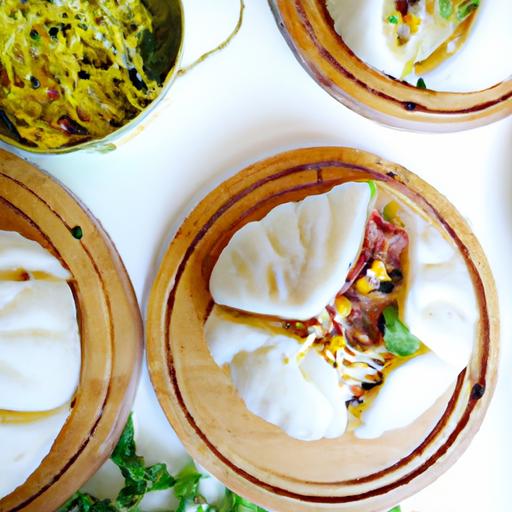
Steaming, pillowy, and irresistibly tender-bao buns have long captivated taste buds across continents, offering more than just a bite of food but a sensory journey into centuries of culinary heritage. These soft pillows of dough, delicately wrapped around savory or sweet fillings, are a celebration of tradition and innovation woven seamlessly together. In “bao Buns Unwrapped: Soft Pillows of Flavor and Tradition,” we delve beyond their fluffy exterior to explore the cultural roots, artisanal techniques, and flavor-packed variations that make bao buns a beloved staple in both street markets and gourmet kitchens around the world. Join us as we unwrap the story behind these iconic buns,revealing how they continue to delight palates and honor a rich culinary legacy.
Bao buns unwrapped invite you into a world where pillowy softness meets vibrant traditions,offering an irresistible canvas of flavors that have evolved across Asia’s diverse culinary landscapes. Originating from Chinese street food culture, these soft, steamed buns have captured hearts globally, becoming a staple for food lovers eager to explore their delicate texture and mouthwatering fillings.
Prep and Cook Time
- Preparation: 30 minutes (including dough resting)
- Cooking: 15 minutes steaming
- Total Time: 45 minutes
Yield
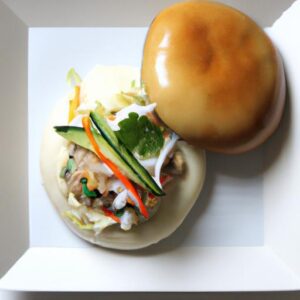
Yields 12 bao buns (serves 4-6 comfortably)
Difficulty Level
Medium – beginner cooks can tackle with patience and basic kitchen tools
Ingredients
- 2 cups all-purpose flour, sifted
- 1/2 cup warm milk (about 110°F / 43°C)
- 1 tablespoon granulated sugar
- 1 teaspoon active dry yeast
- 1 tablespoon vegetable oil (plus extra for brushing)
- 1/4 teaspoon baking powder
- 1/4 teaspoon salt
- 1/4 cup warm water (as needed)
Instructions
- Activate the yeast: In a small bowl, combine warm milk, 1 tbsp sugar, and yeast. Stir gently and let it rest 5-10 minutes until frothy and bubbly.
- Mix dry ingredients: In a large mixing bowl, sift together all-purpose flour, baking powder, and salt.Create a well in the center.
- Make the dough: Pour the activated yeast mixture and vegetable oil into the well. Stir gradually incorporating the flour from edges. Add warm water a tablespoon at a time if the dough feels dry.
- Knead: Transfer the dough onto a floured surface and knead vigorously for 8-10 minutes until soft,elastic,and smooth. The dough should be slightly tacky but not sticky.
- First rise: Place the dough in a lightly oiled bowl, cover with a damp cloth or plastic wrap. Allow it to rise in a warm place for 1 hour or until it doubles in size.
- Shape buns: Punch down the dough gently and divide into 12 equal portions. Roll each piece into a smooth ball. For classic bao, roll each ball into an oval about 4 inches long. fold in half using a small piece of parchment paper layered inside to keep them from sticking.
- Second rise: Place shaped buns on parchment squares in a steamer tray, leaving ample space for expansion. cover with a damp cloth and let rise for another 30 minutes.
- Steam buns: Bring water to boil in a wok or large pot. Steam buns over medium-high heat for 12-15 minutes. Avoid lifting the lid during cooking to maintain steam integrity.
- Finish & serve: Carefully remove buns and brush lightly with vegetable oil for a shiny finish. Let cool slightly before stuffing.
Chef’s Notes: Tips for success
- Flour choice: For a softer, more tender bao, you can substitute ½ cup of all-purpose flour with cake flour to increase softness.
- Yeast activation: Ensure milk is warm, not hot, to prevent killing the yeast culture.
- Dough texture: Slight tackiness is ideal; add water or flour sparingly during kneading to avoid dry or overly sticky dough.
- Make ahead: Dough can be refrigerated overnight after the first rise for more flavor development. Bring to room temperature before shaping.
- Filling inspiration: Classic pork belly, char siu, or vegetarian mushroom and tofu blends all pair wonderfully.
- Steaming equipment: Bamboo steamers provide gentle heat and subtle fragrance. Line trays with parchment or cabbage leaves to prevent sticking.
Serving Suggestions
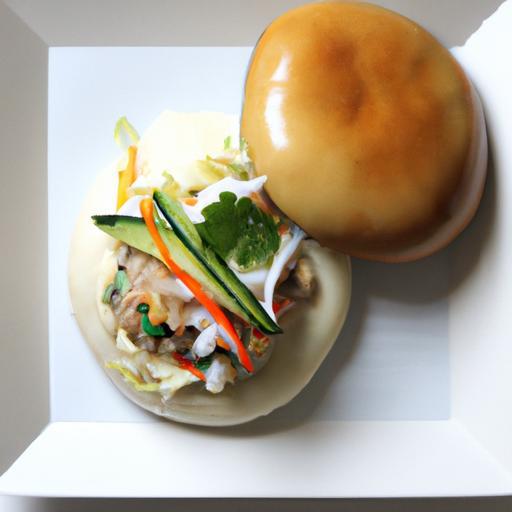
These soft bao buns excel as a vessel for bold, contrasting flavors. Pair them with succulent braised pork belly topped with fresh cilantro, pickled cucumbers, and a drizzle of hoisin sauce. For a lighter option, shredded roasted duck or a spicy tofu-kimchi combination makes an unforgettable bite. Garnish with toasted sesame seeds, chopped scallions, and a side of chili oil for added depth.
To elevate the experience, present them with a crisp Asian slaw or simple cucumber salad, allowing the buns’ pillowy essence to shine through each bite. Bao buns also pair beautifully with fragrant jasmine tea or a cold Asian lager, creating a harmonious balance between richness and refreshment.
Nutritional Facts (Per bao bun)
| Calories | Protein | Carbs | Fat |
|---|---|---|---|
| 110 kcal | 3 g | 22 g | 1.5 g |

For more authentic Asian bread recipes, don’t miss our Steamed Dumplings From Scratch. When exploring the rich history and cultural meaning of bao buns, resources like Serious Eats – Bao Buns History offer excellent insights.
Q&A
Q&A: Bao Buns Unwrapped – Soft Pillows of Flavor and Tradition
Q1: What exactly is a bao bun?
A1: Imagine a cloud-soft, fluffy, and light-crafted from a simple dough but packed with personality. That’s the bao bun, also known as “baozi” in Mandarin. It’s a steamed bun, typically white and pillowy, serving as a vessel for an array of savory or sweet fillings. Essentially, it’s culinary comfort wrapped in tradition.
Q2: Where do bao buns originate from?
A2: Bao buns trace their roots back to ancient china, with stories linking their creation to the Three Kingdoms period (circa 220-280 AD).Legend credits the military strategist Zhuge Liang with inventing the baozi as a substitute for human heads during a river crossing ceremony-talk about history wrapped in dough! Today, bao is a beloved staple throughout China and has journeyed across the globe, evolving in exciting ways.
Q3: What makes bao buns different from other buns or dumplings?
A3: The defining characteristic of bao buns lies in their texture and preparation. They’re steamed (not baked), which gives them that signature soft, fluffy, almost pillow-like consistency. Unlike denser baked buns, or dumplings with thinner, elastic wrappers, bao buns offer a gentle chewiness that complements dense or juicy fillings perfectly.
Q4: What are common fillings for bao buns?
A4: The beauty of bao buns is their versatility. Classic fillings include tender, slow-braised pork belly glazed in a sweet-savory sauce, fragrant mushrooms with soy and garlic, or even sweet red bean paste for dessert. Modern chefs push boundaries with fillings like fried chicken with spicy mayo, roasted duck, or vegan jackfruit “pulled pork” – each bite a blend of culture and innovation.
Q5: How are bao buns traditionally prepared?
A5: The process starts with a yeast-leavened dough, kneaded until smooth and elastic. The dough is shaped into small rounds, filled with the desired stuffing, than carefully sealed.The buns steam over boiling water, usually in bamboo steamers that allow them to breathe, for about 10-15 minutes-transforming the dough into a soft cloud ready to embrace its flavorful heart.
Q6: Can bao buns be made at home easily?
A6: Absolutely! While some may shy away from the idea of steaming dough and fillings, bao buns are surprisingly approachable for home cooks.With a bit of patience-allowing the dough to rise and practicing folding techniques-you can recreate these delightful pillows of flavor. Plus, steaming can be done with a simple pot and steaming rack, no fancy equipment needed.
Q7: Why have bao buns become so popular worldwide recently?
A7: Beyond their irresistible taste and texture, bao buns are incredibly adaptable, making them perfect for global palates and creative interpretations. Their Instagrammable appearance and the fusion fillings-from Korean kimchi to Mexican-style carnitas-add to their modern appeal. They’re convenient street food and gourmet bite alike, bridging generations and cuisines with every steamed bite.Q8: What cultural significance do bao buns hold?
A8: Bao buns are more than food; they’re symbols of hospitality, celebration, and tradition.sharing bao during festivals and family gatherings signals warmth and togetherness. Their very name, “bao,” means to “wrap” or “embrace,” reflecting the act of wrapping not just ingredients but community and history within a tender dough casing.
Q9: What tips can enhance the bao bun experience?
A9: Start by savoring the contrast-the delicate softness of the bun against bold, flavorful fillings.Don’t overload the bun to maintain balance. Experiment with dipping sauces like hoisin, chili oil, or black vinegar to add layers of taste. And eat them fresh and warm-nothing beats biting into a fluffy bao straight from the steamer, where tradition and flavor fuse beautifully.
Q10: Where can I find authentic bao buns?
A10: seek out specialty Chinese bakeries, dim sum restaurants, or trendy Asian fusion eateries. Many urban food markets feature bao vendors bringing regional flavors and modern twists. Or, take the adventure home by trying your hand at making bao buns yourself-the ultimate journey into soft pillows of flavor and tradition.
The Way Forward
As the delicate folds of a bao bun gently collapse with each bite, they reveal more than just a medley of flavors-they unwrap centuries of culinary tradition and cultural storytelling. These soft pillows, humble in appearance yet rich in history, invite us to savor the artistry behind every steam-kissed fluff. Whether enjoyed on bustling street corners or meticulously crafted in modern kitchens, bao buns continue to bridge past and present, palate and heart. So next time you unwrap one, remember: you’re not just tasting a snack-you’re experiencing a living legacy of flavor and heritage.