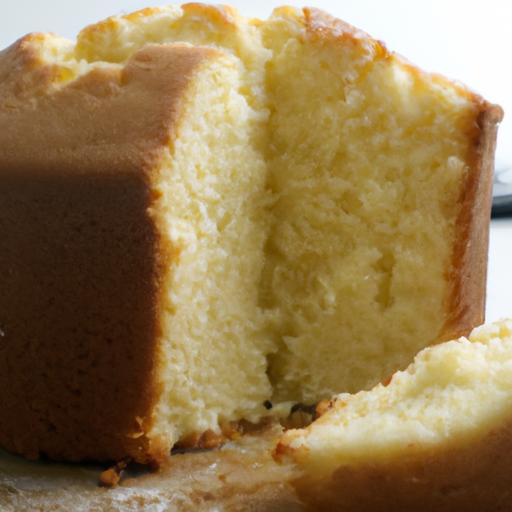

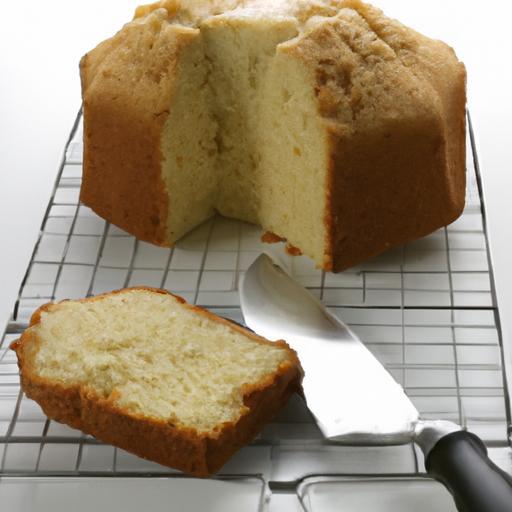
There’s somthing irresistibly comforting about a perfectly light and airy vanilla sponge cake-the kind that seems to melt on your tongue and carry you back to cherished moments of homemade sweetness. But what if you don’t have an oven at your disposal? Enter the pressure cooker, an unexpected hero in the world of baking. In this article, we’ll unlock the secrets to crafting a fluffy magic vanilla sponge cake using this humble kitchen gadget. Prepare to transform your cooking routine and discover how steam and pressure can work together to produce a cake so tender and delicate, it’s nothing short of enchanting. Whether you’re a novice baker or a seasoned pro, get ready to impress with a dessert that’s as innovative as it is appetizing.
Understanding the Science Behind a Perfectly Fluffy Vanilla Sponge Cake
Fluffy Magic: Baking Vanilla Sponge Cake in a Pressure Cooker unlocks a interesting blend of culinary art and science. The secret to achieving that cloud-like texture lies primarily in how air is incorporated and retained within the batter. When you whisk eggs and sugar vigorously, microscopic air bubbles form, which expand and trap steam during the gentle cooking process-this is your sponge’s lift. Meanwhile, the flour’s gluten structure sets around these bubbles to hold the delicate framework together without becoming dense.
Choosing to bake this sponge cake in a pressure cooker adds even heat distribution and steam, results in a moist crumb that ovens can sometimes struggle to achieve. The minimal moisture loss inside the sealed surroundings keeps every bite tender and fluffy instead of dry or crumbly. The interaction between melted butter or oil, eggs, and vanilla extract further enhances flavor and mouthfeel, creating an irresistibly fragrant and soft sponge cake.
Step by step Guide to Baking a Moist Sponge Cake in Your Pressure Cooker
Mastering the pressure cooker method may seem intimidating, but it’s refreshingly straightforward. Begin by preparing your batter with attention to temperature and mixing technique-both are essential for fluffiness. The pressure cooker traps steam, effectively creating a gentle “oven-like” atmosphere. This low-key environment avoids harsh direct heat, encouraging uniform rising and moisture retention.
Ensure you use a cake pan that fits well inside your cooker and add a trivet (or rack) to keep the cake from touching water, preventing a soggy base. Cooking times differ slightly from ovens-usually 30 to 40 minutes on medium heat suffices. As soon as you hear the gentle whistle or notice pressure buildup, reduce heat and let the magic happen. Once cooked, allow the cake to cool inside the cooker to avoid sudden temperature shifts that can deflate your masterpiece.
Choosing the Right Ingredients for Maximum Flavor and Texture
- 1 cup all-purpose flour, sifted – Provides the structural base with fine protein content ideal for sponges.
- 4 large eggs, at room temperature - The powerhouse for aeration and moisture. Warm eggs whip up better and stabilize air bubbles.
- 3/4 cup granulated sugar – Sweetens and tenderizes; helps with caramelization for a golden crust.
- 1/4 cup unsalted butter, melted and cooled – Adds richness and a tender crumb; melted butter blends seamlessly.
- 1 teaspoon pure vanilla extract – Elevates aroma and adds warm flavor notes.
- 1/2 teaspoon baking powder – A gentle lift assistant ensuring the fluffiest texture.
- 1/4 teaspoon salt – Balances sweetness and enhances overall flavor.
- 2 tablespoons milk, room temperature – Keeps the batter moist and helps combine ingredients smoothly.
Prep and Cook Time
- Planning: 15 minutes
- Cook Time: 35 minutes
- Total Time: 50 minutes
Yield
Serves 8 generous slices
Difficulty Level
Easy to medium – Perfect for home bakers aiming to elevate their baking with a pressure cooker twist
Instructions
- Prepare your pressure cooker: Add 1 to 1.5 cups of water to the base. Place a trivet or metal rack inside to keep the cake pan elevated.
- Butter and line your cake pan: Use a 7-inch round cake pan. Grease the interior with butter and dust lightly with flour or use parchment paper for easy release.
- Whisk eggs and sugar: in a large bowl, beat eggs and sugar with an electric mixer on high speed until pale, thick, and tripled in volume (about 7-8 minutes). This step is crucial for the perfect airy texture.
- Sift dry ingredients: Gently sift flour, baking powder, and salt together to avoid lumps.
- Fold in dry ingredients: Using a spatula, gently fold the sifted flour mixture into the egg mixture in three additions, being careful not to deflate the batter. Use a light, sweeping motion.
- Add butter, milk, and vanilla: Drizzle the melted butter, milk, and vanilla extract around the edges and fold gently until just combined. Avoid overmixing.
- Pour batter into prepared pan: Smooth the top with a spatula and gently tap the pan on the counter to release any large air bubbles.
- Set the pan in the pressure cooker: Place the pan on the trivet inside the pressure cooker. seal the lid but do not use the pressure valve/whistle; cook at medium heat to allow steam buildup.
- Cook for 30-35 minutes: Check doneness by inserting a skewer into the centre; it should come out clean. Avoid opening during cooking to maintain steam integrity.
- Cool gradually: Remove the pan from the cooker carefully. Let the cake cool in the pan for 15 minutes, then invert on a wire rack to cool completely before serving.
Tips for Consistently Airy Results
- Use room temperature eggs: They whip more easily and trap more air, crucial for fluffiness.
- Don’t rush folding: Incorporate dry ingredients gently to keep air pockets intact.
- Avoid opening the pressure cooker lid mid-cook: Sudden loss of steam collapses the sponge.
- Measure flour with care: Spoon into the cup rather than scooping to prevent a dense batter.
- Try cake flour for even lighter texture: If available, substitute half or all-purpose flour with cake flour.
- For added moistness: Brush the cooled cake lightly with simple syrup (equal parts sugar and water heated until dissolved).
Serving Suggestions
This vanilla sponge cake shines best when paired with fresh seasonal fruits such as ripe strawberries, blueberries, or peaches. A dusting of powdered sugar or a light spread of whipped cream enhances its delicate nature without overpowering the subtle vanilla flavor. For a more decadent presentation, drizzle a warm berry coulis or a thin layer of rich chocolate ganache just before slicing.
Slice thick pieces for afternoon tea or elegant dessert platters. Garnish plates with edible flowers or mint sprigs to add a fresh, vibrant look. The soft crumb also pairs beautifully with a dollop of mascarpone or vanilla bean ice cream for a luxurious finish.

| Nutrition per Serving | Calories | Protein | Carbs | Fat |
|---|---|---|---|---|
| Vanilla Sponge Cake | 210 kcal | 5 g | 28 g | 9 g |
For additional tips on pressure cooker cakes and other creative sweet recipes, check out our Pressure Cooker Dessert Guide. To deepen your understanding of cake chemistry, visit CooksInfo Sponge Cake Science.
Q&A
Q&A: Fluffy Magic – Baking Vanilla Sponge Cake in a Pressure Cooker
Q1: Can you bake a sponge cake in a pressure cooker without an oven?
Absolutely! A pressure cooker can act as a wonderful oven substitute. Its sealed environment traps steam and heat, creating consistent temperature and moisture ideal for baking a light, fluffy vanilla sponge cake. No need for fancy equipment-just your trusty pressure cooker and a few tricks.
Q2: How does baking in a pressure cooker make the cake fluffy and moist?
The magic lies in the moist heat and even temperature. Unlike dry oven air,the pressure cooker’s steam surrounds the cake batter uniformly,preventing it from drying out. This gentle, constant heat helps the batter rise beautifully, giving the sponge cake its signature soft, airy texture.
Q3: Do I need to use pressure (the weight/whistle) to bake the cake?
Nope! For sponge cakes, it’s best to cook with the pressure cooker lid on but without engaging the pressure (no weight or whistle). This way, it effectively works like a closed steamer, perfect for gentle, even cooking. High pressure can overcook or toughen delicate cakes.
Q4: What kind of pan should I use inside the pressure cooker?
Choose a heatproof, preferably metal or silicone cake pan that fits comfortably inside your cooker without touching the sides. You can line it with parchment paper for easy release. Make sure it’s smaller than the cooker’s base to allow steam to circulate beneath the pan.
Q5: How long does it take to bake a vanilla sponge cake in a pressure cooker?
Timing varies by cooker size and heat source, but generally, it takes about 35 to 45 minutes on a low flame. It’s best to check doneness with a toothpick inserted in the center-if it comes out clean, your fluffy masterpiece is ready!
Q6: Do I need to add extra water in the pressure cooker?
Yes! place about 1 to 1.5 cups of water at the bottom of the cooker to generate steam. Use a trivet or ring to keep the cake pan elevated above the water level. This prevents direct heat from scorching the cake and ensures steam circulates nicely.
Q7: Can I customize the vanilla sponge cake recipe for different flavors?
Definitely! While vanilla is the classic base, you can infuse the batter with lemon zest, almond essence, or a dash of cinnamon to add personality. Just avoid adding overly heavy mix-ins that might weigh down the cake as the batter’s delicate.
Q8: What’s a pro tip for achieving a perfectly even rise?
Whip your eggs and sugar to the right fluffy stage-this aeration is key for that cloud-like sponge. also, fold in the flour gently to keep air bubbles intact. Balanced moisture and gentle mixing translate to a flawless bake inside your pressure cooker.
Q9: how do I avoid soggy bottom or overcooked edges?
Elevate the cake pan on a metal ring or steamer rack inside the cooker to keep it off the direct water. Use medium-low heat throughout baking, and avoid opening the lid during cooking to maintain steam consistency. These steps help your cake cook evenly without soggy spots.
Q10: What’s the best way to serve this pressure cooker vanilla sponge cake?
Slice it fresh with a dusting of powdered sugar or a drizzle of homemade fruit compote. Pair with whipped cream or fresh berries to elevate this humble cake into a delightful treat that tastes like magic-no oven required!
The Conclusion
Baking a vanilla sponge cake in a pressure cooker might seem like an unconventional choice, but as we’ve discovered, it’s a delightful shortcut to achieving that perfectly fluffy, moist texture we all crave. This method transforms a humble appliance into a mini oven, proving that magic isn’t confined to a bakery-it can happen right on your stovetop. So next time you’re in the mood for a sweet treat without the wait or the usual equipment, remember the pressure cooker can be your secret baking ally. Whip up this vanilla sponge cake, and let the fluffy magic bring a slice of homemade joy to your day.