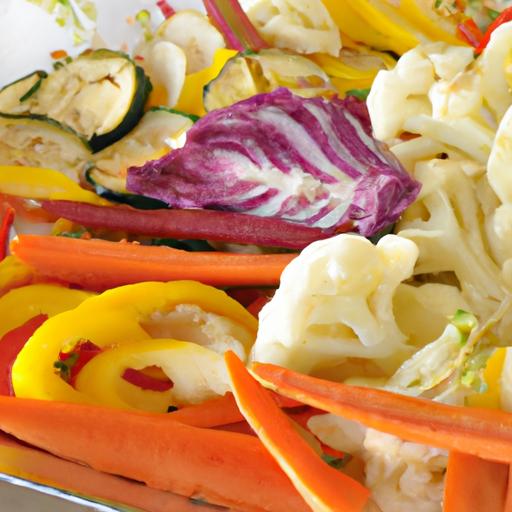

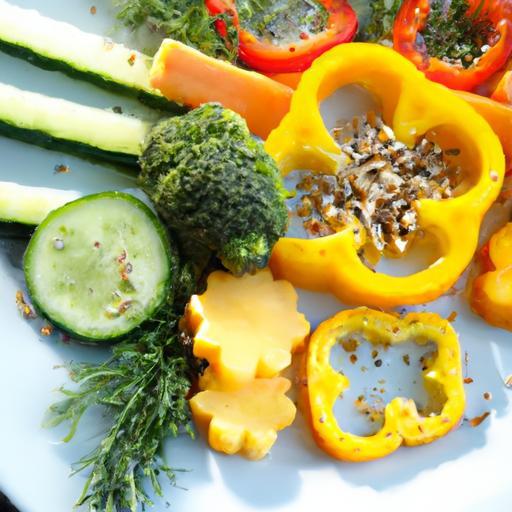
in a world where culinary creativity continually reshapes our dining experiences, the humble vegetable platter is undergoing a vibrant renaissance. Gone are the days of simple, uninspired crudités; welcome to the era of artisan vegetable platters-where freshness meets artistry and tradition is reimagined with bold flavors, textures, and colors.These thoughtfully curated arrangements not only celebrate the natural beauty of seasonal produce but also invite us to savor vegetables in innovative ways that delight the palate and the eye alike. Join us as we explore how artisan vegetable platters are transforming a timeless classic into a striking centerpiece for any gathering, proving that sometimes, the freshest twist on tradition comes straight from the garden.
Artisan vegetable platters transform a simple collection of fresh produce into a vibrant masterpiece that celebrates nature’s bounty. With thoughtful color pairing and a nod to seasonal, local flavors, these platters invite guests to savor every bite while delighting the eyes. Drawing inspiration from rustic farmers’ markets and my own culinary explorations, this approach emphasizes harmony-both visually and flavor-wise-between vegetables, dips, and spices, elevating a traditional appetizer into a memorable experience.
Prep and Cook Time
- Preparation: 30 minutes
- Cooking (optional roasting/blanching): 15 minutes
- Total Time: 45 minutes
Yield
Serves 6-8 people as an appetizer or light snack
Difficulty Level
Easy to Medium
Ingredients
- Assorted fresh vegetables, washed and trimmed: 2 cups cherry tomatoes (red and yellow)
- 1 cup baby carrots, peeled
- 1 cup purple cauliflower florets
- 1 cup green snap peas, trimmed
- 1 large cucumber, sliced into ribbons
- 1 medium red bell pepper, julienned
- 1 cup radishes, thinly sliced
- 1 cup baby broccoli (rapini), lightly blanched
- Dips:
- 1 cup hummus (classic or roasted red pepper)
- 1 cup tzatziki (Greek yogurt, cucumber, garlic dip)
- 1/2 cup smoky harissa sauce or spicy baba ganoush
- Spices & Garnishes:
- 1 tsp smoked paprika
- 1 tsp za’atar spice blend
- Fresh mint leaves and edible flowers for garnish
- Flaky sea salt, freshly cracked black pepper
- extra virgin olive oil, for drizzling
Instructions
- Prepare the vegetables. Wash and trim all produce carefully. For vegetables like baby broccoli and snap peas, blanch briefly (1-2 minutes in boiling water) then shock in ice water to preserve vibrant color and crunch.
- Roast select vegetables (optional). For enhanced depth, roast purple cauliflower and carrots at 400°F for 12-15 minutes until tender and caramelized. Toss with olive oil, smoked paprika, salt, and pepper before roasting.
- Slice and arrange. Create contrasting textures and hues by alternating colors on your platter. For example, nestle bright radish slices next to glossy green cucumber ribbons and jewel-toned cherry tomatoes. Use vertical layers and natural shapes to guide the eye.
- Prepare the dips. Transfer hummus, tzatziki, and harissa to small bowls. Sprinkle za’atar or smoked paprika atop each dip for a visual and flavor boost.
- Plate artistically. Center the dips or offset them along one edge. Surround with colorful veggie clusters, ensuring the platter looks abundant but balanced.
- Garnish thoughtfully. Scatter fresh mint leaves and edible flowers to add freshness and whimsy. Finish with a delicate drizzle of olive oil and a few flakes of sea salt over the vegetables.
Chef’s notes & Tips for Success
- Choose vegetables in peak season for maximum flavor and color vibrancy-farmers’ markets and local co-ops are superb sources.
- For variety in texture, mix crisp raw items with roasted and lightly blanched veggies; this contrast keeps each bite engaging.
- Customize dips according to your guests’ preferences-switch out tzatziki with a garlic tahini sauce or a creamy avocado lime dip.
- Prepare the vegetables a few hours ahead and keep them refrigerated, uncovered on paper towels to maintain crispness.
- Use a large wooden board or slate platter as your canvas. Rustic textures complement the fresh,natural theme.
- To add protein, include marinated chickpeas or spiced nuts as a crunchy, colorful accent.
Serving Suggestions
Present the artisan vegetable platter alongside fresh, warm pita triangles or crisp artisan crackers for added crunch. Offer small plates and forks to encourage grazing and conversation. Garnish with microgreens or thin lemon zest strips to introduce subtle aromas matching the dips.This platter excels both as a chic party starter and a light lunch centerpiece-pair it with an herbal iced tea or sparkling water infused with cucumber and mint for a refreshing contrast.

| Nutrient | Per Serving |
|---|---|
| Calories | 150 kcal |
| Protein | 5 g |
| Carbohydrates | 20 g |
| Fat | 6 g |
For more ways to elevate your appetizer game, check out our Creative Vegetable Platter Inspirations. to understand the benefits of eating seasonal produce, visit ChooseMyPlate.gov for expert nutritional guidance.
Q&A
Q&A: Artisan Vegetable Platters – A Fresh Twist on Tradition
Q1: What exactly is an artisan vegetable platter?
An artisan vegetable platter is a thoughtfully curated assortment of fresh, frequently enough locally sourced vegetables, prepared and arranged with an eye for color, texture, and seasonality. Unlike typical veggie trays,these platters emphasize creativity,unique flavor pairings,and handcrafted presentation to elevate the humble vegetable into a centerpiece of any gathering.Q2: How do artisan vegetable platters differ from traditional vegetable trays?
Traditional vegetable trays often focus on convenience and simplicity, featuring common raw vegetables with basic dips. Artisan platters, conversely, prioritize quality and originality. They may include rare or heirloom varieties, roasted or marinated vegetables, house-made dips, and edible garnishes that transform a simple snack into an experiential conversation starter.
Q3: What are some key ingredients that make an artisan vegetable platter stand out?
Beyond the usual cucumbers and carrots, artisan platters incorporate vibrant heirloom tomatoes, rainbow chard, roasted fingerling potatoes, charred baby corn, or tender asparagus spears. Dips such as whipped feta with herbs, romesco sauce, or smoky baba ganoush complement these vegetables, adding depth and richness. Fresh herbs, edible flowers, nuts, and seeds add texture and visual appeal.Q4: Can artisan vegetable platters cater to different dietary preferences?
Absolutely! These platters are naturally vegan, gluten-free, and often low in calories, making them perfect for a wide range of dietary needs. Their versatility allows for customization to include spicy, tangy, or sweet elements, ensuring every guest finds something delicious and satisfying.
Q5: How can I assemble an artisan vegetable platter at home?
Start by selecting a mix of raw,pickled,roasted,and fresh vegetables with varying colors and shapes. Arrange them artfully on a wooden board or a ceramic platter.Complement the veggies with small bowls of house-made dips and sprinkle edible herbs or seeds over the top. Don’t be afraid to play with height and layering to create dimension and interest.
Q6: What occasions are perfect for serving artisan vegetable platters?
These platters shine at casual gatherings, elegant dinner parties, holiday celebrations, or even as a stunning appetizer at a brunch. Their vibrant presentation and healthful appeal make them particularly popular for wellness-focused events and summer alfresco dining.
Q7: How does supporting local farmers enhance an artisan vegetable platter?
Sourcing vegetables from local farmers ensures peak freshness and encourages seasonal eating. It also promotes sustainability and supports local economies. You’ll often discover unique varieties that aren’t available in typical grocery stores,adding an unexpected and delightful twist to your platter.
Q8: Are there any tips for keeping an artisan vegetable platter fresh during a party?
Yes! Keep the platter chilled until serving and replenish dips as needed. If serving outdoors, place the board on a cool surface or use an ice-packed tray underneath. Cover unused portions with damp cloths to retain moisture and crunch.
Q9: What makes artisan vegetable platters an exciting option for those trying to eat more vegetables?
their lovely, artful presentation invites curiosity and enjoyment, making vegetables feel less like a chore and more like a treat.The combination of diverse flavors and textures also prevents boredom and encourages exploring new veggies or preparation methods.
Q10: Can artisan vegetable platters be paired with other food elements?
Certainly! Complement them with crusty breads, artisanal cheeses (for those who consume dairy), nuts, olives, or even stuffed grape leaves for a Mediterranean flair.These accompaniments enhance the platter’s richness and provide guests with a range of tastes and sensations.
With an artisan vegetable platter, tradition blooms into something vibrant, fresh, and utterly delicious-a celebration of nature’s bounty reinvented with care and creativity.
closing Remarks
As the world rediscovers the joy of simple, thoughtful presentation, artisan vegetable platters offer more than just a feast for the eyes-they invite us to reconnect with nature’s vibrant palette and celebrate the humble beauty of fresh, handpicked produce. By blending tradition with creativity, these platters transform everyday vegetables into edible works of art, proving that freshness and flair can coexist on every table. whether you’re hosting a gathering or seeking a nourishing snack, embracing the artisan approach refreshes not only our plates but also our appreciation for the seasons, the soil, and the stories woven into each colorful bite. it’s not just about what’s served-it’s about the timeless joy of sharing something crafted with care and a fresh twist on tradition.