
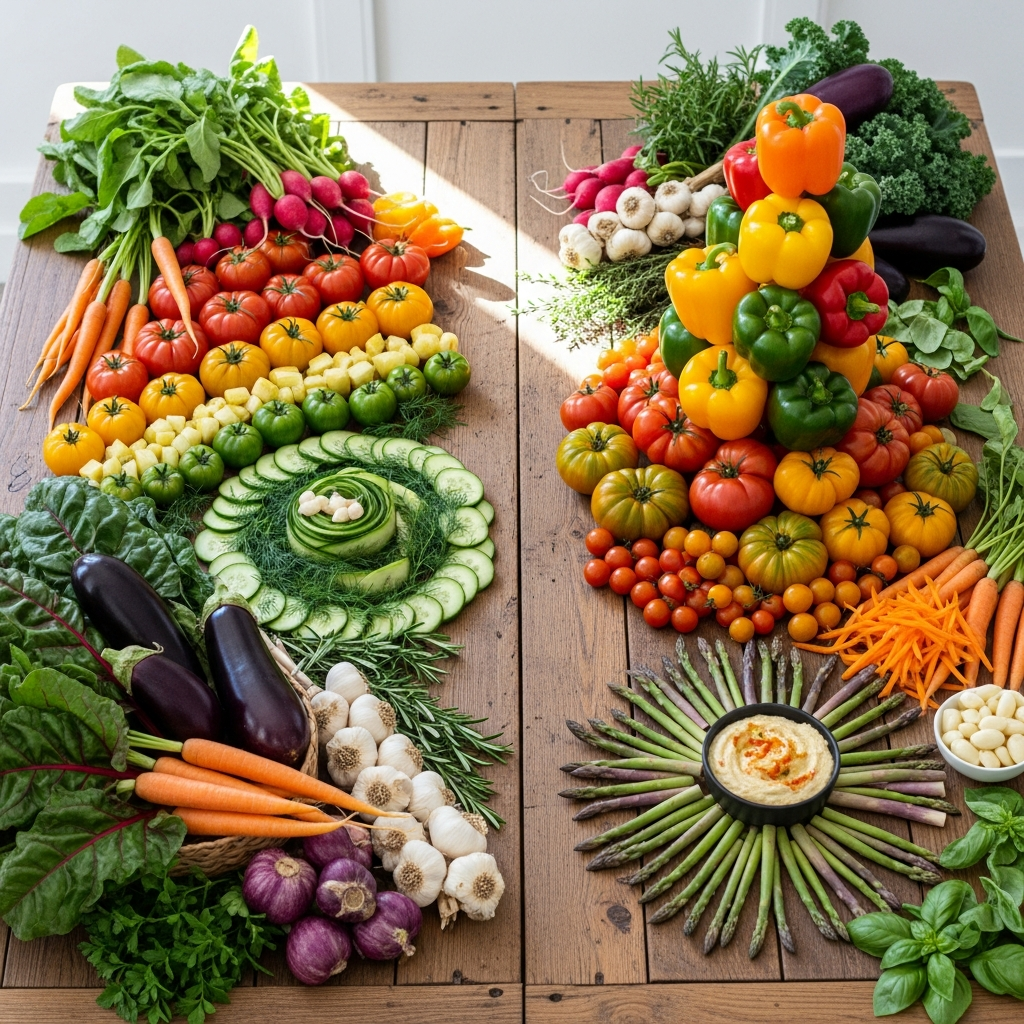
In a world where the visual feast frequently enough precedes the culinary one, the humble vegetable is stepping into the spotlight like never before. Gone are the days when greens and roots simply filled the plate-they’re now the canvas, the stars, and the story of every meal. “Artful Veggie Displays: Elevate Your Vegetable Presentation” invites you to explore the vibrant possibilities that transform everyday produce into breathtaking works of edible art. From playful arrangements to sophisticated structures, discover how thoughtful presentation not only enhances flavor but also celebrates the natural beauty and diversity of vegetables, turning your meals into unforgettable experiences.
Artful Veggie Displays: Elevate Your Vegetable Presentation
Artful veggie displays bring a fresh, vibrant energy to any dish, transforming simple vegetables into spectacular works of edible art. Whether you’re hosting an elegant dinner party or looking to brighten up weeknight meals, mastering the balance of color, texture, and form can turn your vegetable presentation into a captivating centerpiece that delights the eyes and the palate alike.
Prep and Cook Time
- Preparation: 20 minutes
- Cooking: 15 minutes
- Total Time: 35 minutes
Yield
serves 4-6 as a vibrant side or appetizer
difficulty Level
Medium – Perfect for home cooks eager to enhance their plating skills with approachable techniques.
Ingredients
- 1 cup baby carrots, peeled and trimmed
- 1 cup rainbow cherry tomatoes, halved
- 1 cup purple cauliflower florets
- 1 medium yellow bell pepper, thinly sliced
- 1 small cucumber, cut into ribbons using a vegetable peeler
- 1 cup sugar snap peas, trimmed
- 2 tbsp extra virgin olive oil
- 1 tbsp fresh lemon juice
- 1 tsp sea salt
- ½ tsp freshly cracked black pepper
- 2 tbsp finely chopped fresh herbs (such as basil, parsley, and chives)
- Edible flowers and microgreens, for garnish
- 1 tbsp toasted sesame seeds (optional, for texture)
Instructions
- Prepare the vegetables: Rinse all vegetables under cold water. Peel carrots and slice the bell pepper thinly to accentuate shape and color contrast.
- Blanch sugar snap peas and purple cauliflower: Bring a pot of salted water to a boil. Submerge peas and cauliflower florets for 1-2 minutes, then instantly transfer to an ice bath to preserve vibrant color and crunch.
- Assemble ribbons and slices: Using a sharp knife or vegetable peeler, create cucumber ribbons by slicing lengthwise. Slice cherry tomatoes in half to showcase their juicy interiors.
- Prepare the dressing: in a small bowl, whisk together olive oil, lemon juice, salt, and pepper until emulsified. This simple dressing enhances the natural flavors without overpowering the vegetables.
- Combine veggies with dressing: Toss carrots,bell pepper,cauliflower,snap peas,and cherry tomatoes gently with the dressing. Hold the cucumber ribbons separately to avoid wilting.
- Master the arrangement: On a large serving platter or shallow bowl, start layering vegetables by alternating colors and shapes-nestle clustered cherry tomatoes near curved cucumber ribbons and intersperse cauliflower for a striking purple pop.
- Add garnishes: Sprinkle chopped fresh herbs evenly over the display. Delicately place edible flowers and microgreens to add an elegant finish and subtle herbal notes.
- Final touch: Scatter toasted sesame seeds for unexpected texture and a nutty aroma that complements the freshness.
Choosing Vibrant Vegetables for Artful Veggie Displays
To create truly eye-catching color contrasts in artful veggie displays, opt for vegetables that naturally showcase bold tones such as deep purples, fiery reds, sunny yellows, and crisp greens. combining these hues not only stimulates the appetite but creates a visual rhythm. Think about pairing the glossy crimson of cherry tomatoes with the matte surface of cucumber ribbons and the structured fractals of purple cauliflower-the interplay of color and surface invites the viewer to explore the dish visually before tasting.
Mastering Texture and Shape for Dynamic Visual Appeal
Each vegetable brings a unique textural element-crunchy, juicy, crisp, or tender-that adds layers of interest to the presentation. Incorporate different cuts like ribbons, florets, rounds, and wedges to give the plate dynamic dimension. For example, thin bell pepper slices add lightness and movement, while small florets anchor the arrangement with their sculptural quality. These textural contrasts engage the senses and elevate the dish beyond a simple salad to an artistic expression.
incorporating Edible Garnishes to Enhance Elegance and Flavor
Garnishes aren’t mere decoration; they amplify flavor while gracefully highlighting your artistic intent. Fresh herbs brighten the plate with bursts of green and aromatic complexity, whereas edible flowers such as nasturtiums or pansies contribute vibrant splashes of color and subtle botanical notes. Microgreens offer delicate texture and a peppery bite. These details refine the overall impression and invite closer inspection.
Arranging with Intention to Transform Simple Veggies into Stunning Centerpieces
Artful veggie displays come to life through intentional placement that balances color,texture,and form. Start with a base layer, then build height and depth using contrasting shapes. Group similar colors in small clusters to create focal points,leaving negative space to avoid crowding.Approach plating as though composing a still life painting-every element should have purpose. This mindful curation ensures your vegetable arrangements transcend the ordinary, becoming memorable masterpieces.
chef’s Notes & Tips for Success
- Pick seasonal vegetables for peak flavor and vibrant color-local farmer’s markets are excellent sources.
- Substitution ideas: Swap sugar snap peas with shaved asparagus or thinly sliced radishes for a peppery crunch.
- Prepping ahead: Blanch and dress bulkier vegetables up to 2 hours before serving. Keep delicate components like cucumber ribbons and garnishes fresh until just before plating.
- Texture layering: Toasted nuts or seeds can add welcome crunch, but avoid sogginess by sprinkling right before serving.
- Experiment with shapes: Use small cookie cutters on raw veggies for fun geometric accents, or roll long strips to create rosette shapes.
- Maintaining freshness: Chill your serving platter before arranging to help keep ingredients crisp and cool.
Serving Suggestions
This artful veggie presentation shines as a centerpiece at brunch, a side dish for grilled fish or roasted chicken, or part of a vibrant mezze platter. Pair with a light yogurt-herb dip or lemon tahini sauce for complementary creaminess.garnish with a few lemon zest curls or an extra drizzle of high-quality olive oil just before serving to intensify brightness and sheen.

| Nutrient | Per Serving |
|---|---|
| Calories | 110 kcal |
| Protein | 3 g |
| Carbohydrates | 18 g |
| Fat | 5 g |
For more inspiration on vegetable arrangement techniques, explore our Creative Veggie Plating Ideas.To deepen your knowledge on the science behind color in food,visit the Food Science Color Studies.
Q&A
Q&A: Artful Veggie Displays – Elevate Your Vegetable Presentation
Q1: Why is presenting vegetables artfully significant?
A1: Artful presentation transforms everyday vegetables into visual feasts that entice the eyes before delighting the palate. When veggies are displayed creatively, they invite guests to engage more enthusiastically with healthy foods, making meals both memorable and appetizing.
Q2: What are some simple techniques to enhance vegetable presentation?
A2: Start with thoughtful cutting techniques-ribbons, spirals, or geometric shapes add texture and intrigue. Group veggies by color gradients or contrast them boldly. Using edible flowers or fresh herbs as garnishes also elevates the entire display with vibrant accents.
Q3: how can I incorporate color theory into veggie displays?
A3: Think of your platter as a canvas. Complementary colors-like deep purple eggplant against bright orange carrots-create dynamic contrast, while analogous colors, such as green cucumbers and yellow squash, offer harmonious flow. Playing with warm and cool tones can guide guests visually across the spread.
Q4: What are some creative ways to serve raw vegetables?
A4: Beyond the typical crudité platter, try vertical arrangements on skewers, layered vegetable terrines, or “veggie bouquets” tied with chives or edible twine. Serving dips in hollowed-out bell peppers or carved vegetable bowls also adds unexpected flair.
Q5: Can textures impact veggie presentation?
A5: Absolutely! Combining crisp celery sticks with creamy avocado slices or charred zucchini ribbons with crunchy radishes creates depth and interest. Mixing raw and lightly roasted vegetables can also add a sensory variety that intrigues both sight and palate.
Q6: How can seasonal vegetables inspire presentation ideas?
A6: Seasonal veggies bring natural variety and freshness, inspiring color palettes and themes. In the fall, think rustic arrangements with roasted root veggies and pumpkins; in spring, fresh green asparagus and peas can evoke renewal and lightness. Embracing seasonal shapes and hues elevates the sense of occasion.
Q7: Are there any tools that help with creating extraordinary veggie displays?
A7: yes! Mandolines, julienne peelers, and spiralizers transform vegetables into visually stunning ribbons and curls. ring molds can help craft neat stacks or towers, while small cookie cutters turn slices into bite-sized shapes. A little creativity-and the right tools-go a long way.
Q8: How can I make my vegetable presentations more approachable for kids?
A8: Play with shapes and themes! Create veggie “faces,” gardens, or animal shapes to spark curiosity. Brightly colored veggies arranged like a rainbow make eating fun and interactive. Providing fun dips in miniature containers encourages playful tasting.
Q9: What role do plates and serving vessels play in veggie presentation?
A9: The right canvas enhances the veggies’ charm. Neutral-colored plates can make vibrant vegetables pop, while rustic wooden boards add warmth and a natural vibe.Using tiered stands creates dimension and helps showcase different veggie varieties beautifully.
Q10: How can I integrate herbs and edible flowers without overpowering the vegetables?
A10: Use delicate sprigs like dill, cilantro, or basil sparingly to add fresh aroma and visual accents. Edible flowers-nasturtiums, pansies, or marigolds-offer bursts of color and subtle flavors without overwhelming the main vegetables. Think of them as the finishing brushstrokes in your veggie artwork.
The Conclusion
As you embark on your next culinary creation, remember that vegetables are more than just ingredients-they are vibrant palettes waiting to be transformed into edible masterpieces. With thoughtful arrangement and a dash of creativity, your veggie displays can captivate the eye as much as they delight the palate. Elevate your presentation, celebrate the colors and textures of nature’s bounty, and turn every meal into an artful experiance that entices, inspires, and nourishes. After all, the way we showcase our food is the first step in savoring its story.