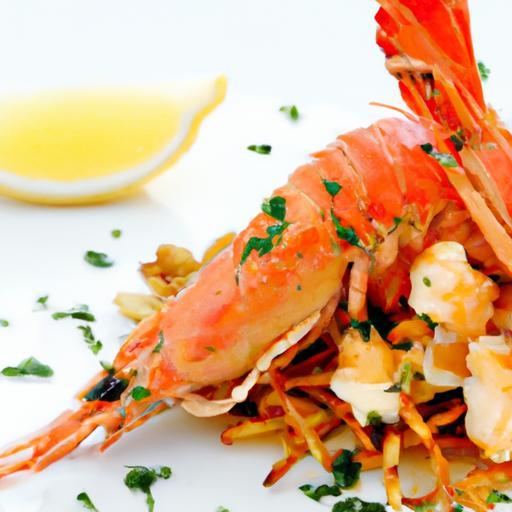
There’s something undeniably captivating about the allure of smoked seafood-a dance of smoky whispers and briny depths that awakens the senses. Among these oceanic treasures, smoked langoustines hold a special place, their delicate sweetness intertwined with the rich, savory notes imparted by the smoke.In this guide, we’ll embark on a flavorful journey to savor the rich essence of smoked langoustines, exploring the art and technique behind their preparation, the subtleties of their taste, and the best ways to enjoy this exquisite crustacean. Whether you’re a seasoned gastronome or a curious newcomer, prepare to uncover the smoky symphony that makes smoked langoustines a true culinary delight.
The Art of Selecting Perfect Langoustines for Smoking
Savoring the rich flavor of smoked langoustines begins long before the smoker is fired up. Choosing the freshest, highest-quality langoustines ensures that the natural sweetness and delicate briny notes will shine through after smoking. Look for langoustines that are firm, vibrant in color, and have intact shells without any spots or discoloration. Freshness is key-ideally, source them from a trusted fishmonger or a reputable seafood market with a good turnover to guarantee they haven’t been sitting too long.
Opt for medium-sized langoustines around 6-8 cm long for a perfect balance of succulent meat and shell integrity that will handle the smoking process without drying out. If possible, select live langoustines, as they preserve the freshest flavor and texture that will elevate the final dish.
Mastering the Smoking Process to Enhance Natural Sweetness
Unlocking the sumptuous natural sweetness of langoustines through smoking is an art that combines precision and patience. Before smoking,gently pat the langoustines dry and lightly season them with flaky sea salt and a touch of freshly ground black pepper-this simple seasoning enhances the crustacean’s innate sweetness without overpowering it.
Cold-smoking with subtle wood chips like applewood or alder imparts a delicate smoky aroma that complements rather than masks the seafood’s essence. Maintain a consistent low temperature between 90°F and 110°F (32°C-43°C) to slowly infuse smoke over 45-60 minutes. For those short on time, hot-smoking at 180°F (82°C) for 20-25 minutes works beautifully, delivering tender, smoky langoustines with a slightly firmer bite.
Tip: To prevent overcooking, monitor internal meat temperature closely-aim for about 140°F (60°C). Remove the langoustines promptly to retain juiciness and texture.
Pairing Smoked Langoustines with Complementary Flavors
The rich,smoky aroma and vibrant sweetness of smoked langoustines beckon thoughtful accompaniments. Citrus-based sauces such as a zesty lemon and garlic aioli or a fresh yuzu vinaigrette balance the smoky richness beautifully, adding brightness that refreshes the palate.
Herbs like fresh dill,tarragon,or chervil introduce aromatic complexity without competing with the crustacean’s delicate flavor. A sprinkle of toasted nuts, such as pistachios or almonds, adds pleasing textural contrast. Consider serving alongside roasted baby vegetables, charred corn, or creamy avocado mousse to complete the culinary experiance.
Serving Suggestions and Storage Tips to Preserve Freshness
Serve smoked langoustines instantly while warm, elegantly arranged atop a bed of lightly dressed microgreens or seaweed salad to emphasize the oceanic connection. Garnish with thin lemon wheels and a scattering of flaky sea salt crystals for a visual and flavor accent that delights both eyes and palate.
If you must store leftovers, wrap them tightly in parchment paper followed by plastic wrap to limit exposure to air, then refrigerate. Consume within 24 hours for optimal freshness and flavor. reheat gently over low heat or enjoy cold as a decadent seafood appetizer.
Prep and Cook Time
- Preparation: 15 minutes
- Smoking Time: 45-60 minutes (cold-smoke) or 20-25 minutes (hot-smoke)
- Total Time: 1 hour to 1 hour 15 minutes
Yield
Serves 4 as an appetizer
Difficulty Level
Medium
Ingredients
- 500g fresh langoustines, medium-sized, cleaned and dried
- 1 tsp flaky sea salt
- ½ tsp freshly ground black pepper
- Wood chips for smoking (applewood or alder preferred)
- 1 fresh lemon, sliced for garnish
- Fresh herbs (dill, tarragon or chervil), finely chopped, for garnish
- Microgreens or seaweed salad, for serving
Instructions
- Prepare the langoustines: Rinse gently under cold water, pat dry thoroughly with paper towels to remove moisture which can hinder smoke adhesion.
- Season: Lightly sprinkle the langoustines evenly with flaky sea salt and freshly ground black pepper on all sides.
- Set up your smoker: Soak wood chips in water for 30 minutes. Preheat your smoker to your chosen method-cold smoke at 90°F-110°F or hot smoke at 180°F.
- Arrange langoustines: Place the langoustines on the smoker rack in a single layer, ensuring good airflow and smoke exposure.
- Smoke: Cold smoke for 45-60 minutes or hot smoke for 20-25 minutes, checking periodically to avoid overcooking. target an internal temperature around 140°F.
- Remove from heat: Once smoked, transfer the langoustines to a serving plate and garnish with fresh lemon slices and finely chopped herbs.
- Serve warm: Place atop microgreens or seaweed salad, adding a light drizzle of olive oil if desired for extra richness.
tips for Success
- Buy local: Choosing locally sourced langoustines supports freshness and sustainability.
- Don’t rush the smoke: Low, slow smoke enhances sweetness and tenderness-patience pays off.
- Wood choice matters: fruitwoods like apple and alder offer a gentle smoke that won’t overwhelm the natural langoustine flavor.
- Make ahead: Smoke langoustines up to 12 hours in advance, refrigerate, and gently reheat before serving.
- Variation: Try finishing with a light brush of chili oil or smoked paprika if you prefer a hint of heat.
Serving Suggestions
For a stunning presentation, serve smoked langoustines alongside crusty sourdough bread or creamy mashed cauliflower.A dollop of citrusy aioli or a side of avocado puree complements the smoky sweetness perfectly. finish the plate with vibrant microgreens, lemon wedges, and a sprinkle of sea salt for an inviting, gourmet experience.
| Nutritional Info (per serving) | Amount |
|---|---|
| Calories | 180 kcal |
| Protein | 34g |
| Carbohydrates | 1g |
| Fat | 3g |

Explore more seafood smoking techniques in our Seafood Smoking Basics Guide. For a deeper dive into seafood safety and freshness tips, visit FDA Seafood Safety.
Q&A
Q&A: Savoring the Rich flavor: A Guide to Smoked Langoustines
Q1: What makes smoked langoustines such a unique delicacy?
A: Smoked langoustines captivate the palate by combining the naturally sweet and delicate flavor of the sea with the deep, aromatic smokiness that elevates their taste to another dimension. Unlike raw or simply boiled langoustines,the smoking process infuses each succulent bite with rich complexity,making them a standout choice for seafood lovers seeking something remarkable.
Q2: How are langoustines traditionally smoked?
A: Traditionally, langoustines are gently smoked over hardwood chips like oak, beech, or hickory at low temperatures. This slow smoking process allows the flesh to absorb fragrant smoky essences without losing its tender texture or subtle sweetness. The technique carefully balances heat and smoke time to preserve the langoustine’s delicate nature while adding layers of flavor.
Q3: Can I smoke langoustines at home, or is it better to buy them pre-smoked?
A: Both options have their charms! Smoking langoustines at home is a rewarding culinary adventure, allowing you to control every detail-from the type of wood to the length of smoking-tailoring the flavor to your preference. Though, it requires a careful eye and some specialized equipment. Pre-smoked langoustines, on the other hand, are a convenient and tasty treat, frequently enough prepared by experts who have perfected the process.
Q4: What are the best pairings to accompany smoked langoustines?
A: Smoked langoustines shine alongside shining, fresh accompaniments that contrast their richness. Citrus segments, such as blood orange or grapefruit, add refreshing vibrancy, while crisp salads with fennel or watercress bring a peppery crunch. Creamy avocado or a light herbaceous dressing can also complement the smoky depth without overwhelming the seafood’s natural sweetness.
Q5: How should smoked langoustines be served to maximize flavor?
A: For the ultimate sensory experience, serve smoked langoustines slightly chilled or at room temperature. This temperature range highlights their delicate textures and smoky aroma while allowing the flavors to unfold gradually. Pair them simply with a drizzle of high-quality olive oil, a squeeze of lemon, and freshly cracked black pepper for a pure and elegant presentation.
Q6: Are there any special considerations when selecting langoustines for smoking?
A: Absolutely! Freshness is paramount-opt for langoustines that are firm, moist, and have a mild marine scent rather than any off-putting fishiness. Medium-sized langoustines tend to smoke more evenly and retain a lovely balance of tenderness and flavor. The quality of the raw product sets the foundation for a memorable smoked dish.
Q7: What variations exist in the smoking process that influence the flavor of smoked langoustines?
A: Different wood types impart distinct flavor notes: oak offers a classic, balanced smokiness; fruitwoods like apple or cherry bring a subtly sweet, fruity undertone; while mesquite introduces a bolder, more intense char. Additionally, cold smoking versus hot smoking changes the texture-cold smoking infuses smoke while keeping the langoustine raw and silky, whereas hot smoking cooks the meat and produces a firmer bite.
Q8: can smoked langoustines be used in recipes beyond just serving them whole?
A: Definitely! Smoked langoustines offer a versatile ingredient that can enrich soups, bisques, or seafood pasta dishes with a smoky nuance.Their flavorful meat can also be folded into creamy spreads or incorporated into gourmet salads for a luxurious twist.Just be mindful to let their smoky charm shine through without overpowering them with too many heavy ingredients.
Q9: How does smoking influence the nutritional profile of langoustines?
A: Smoking langoustines retains most of their rich protein content and essential minerals like zinc and selenium,while adding very little fat since the process itself requires no additional oils. The gentle smoking process also preserves delicate omega-3 fatty acids, making smoked langoustines a tasty and nutritious choice for seafood enthusiasts.
Q10: What cultural traditions celebrate smoked langoustines or similar smoked seafood?
A: Coastal regions with deep fishing heritage, such as parts of Scandinavia, Scotland, and Mediterranean countries, have long celebrated smoked seafood as a vital culinary art. Smoked langoustines, though less common than smoked salmon or mackerel, are gaining attention for their unique flavor profile and are sometimes featured in local festivals or gourmet markets that highlight the bounty of the sea.
This Q&A offers a flavorful dive into the world of smoked langoustines, guiding readers to appreciate and explore this exquisite seafood treasure.
In Retrospect
As the smoky aroma lingers and the sweet, briny flesh of the langoustines melts on your tongue, you realize that savoring smoked langoustines is more than just a meal-it’s an experience. From selecting the freshest catches to mastering the delicate balance of wood and smoke, this guide has unraveled the secrets behind their rich, unforgettable flavor. So next time you light up the smoker, remember: each bite is a celebration of tradition, technique, and the sea’s finest bounty. Dive in, savor slowly, and let the smoky depths of langoustines elevate your palate to new horizons.