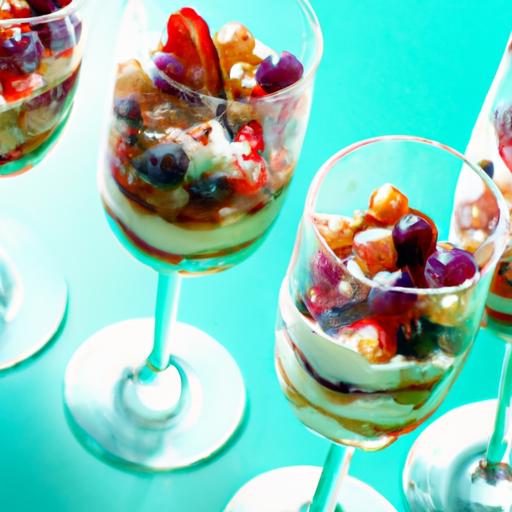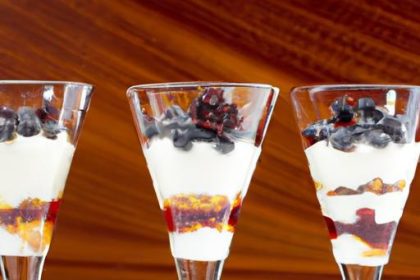
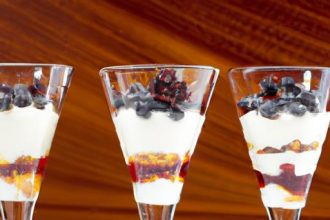

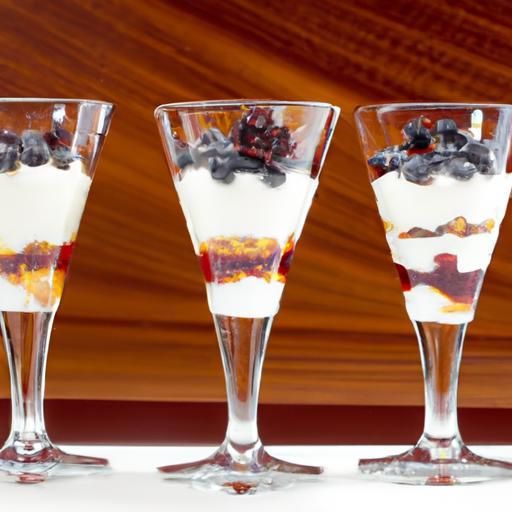
In the world of desserts, presentation can be just as enchanting as flavor, and few treats embody this truth quite like the delicate verrine. These captivating layered desserts, served elegantly in small glass vessels, invite us to explore a symphony of textures, colors, and tastes all at once. From velvety creams and tangy fruit coulis to crunchy biscuit bases and airy mousses,verrines transform simple ingredients into multisensory experiences that delight both the eyes and the palate. Join us as we dive into the art and allure of verrines-a culinary canvas where creativity meets indulgence in every shimmering layer.
The Art of Layering Flavors and Textures in Verrines Delight
Verrines Delight presents a stunning culinary journey where each layer brings its own unique flavor and texture, harmonizing to create an unforgettable dessert experience.Originating from French haute cuisine, the verrine has evolved into a versatile canvas for creative cooks to marry taste and visual appeal seamlessly. Imagine the crisp snap of caramelized nuts atop a creamy vanilla mousse, complemented by bursts of tangy fruit compote and finished with a silky drizzle of chocolate ganache-all showcased through delicate glassware. This intricate balance makes verrines a feast for every sense, transforming simple ingredients into an elegant masterpiece.
Prep and Cook Time
- Readiness: 30 minutes
- Chilling: 2 hours
- Total Time: 2 hours 30 minutes
Yield
4 individual servings
Difficulty Level
Medium – requires patience and attention to layering detail
Ingredients
- 1 cup Greek yogurt, full-fat for creaminess
- 3 tablespoons honey, preferably wildflower
- 1 cup mixed seasonal berries, roughly chopped
- 1/2 cup homemade granola, toasted with nuts and seeds
- 1 teaspoon finely grated lemon zest
- 1/4 teaspoon ground cinnamon
- 2 tablespoons dark chocolate chips, melted for drizzle
- Fresh mint leaves for garnish
Instructions
- Prepare the berry compote: In a small saucepan, combine the mixed seasonal berries with half the honey and lemon zest.Cook over medium heat for 5-7 minutes until the berries soften but retain their shape. Remove from heat and cool entirely.
- Sweeten the yogurt: Whisk together the Greek yogurt,remaining honey,and ground cinnamon until smooth and light. Adjust sweetness to taste.
- Layer the verrines: Begin by spooning a generous layer of the berry compote into the base of each glass. Follow with a thick spoonful of the cinnamon honey yogurt. Add a crunchy layer of toasted granola, pressing gently to create structure but keeping the texture intact.
- Repeat layering: Add a second thin layer of berry compote, then top with the remaining yogurt mixture.
- Finish with garnish: Drizzle melted dark chocolate over the final yogurt layer with a spoon or piping bag to create elegant lines. Sprinkle with a few chocolate chips and a fresh mint leaf atop each verrine.
- Chill and serve: Refrigerate for at least 2 hours to let the flavors meld beautifully. Serve chilled for the perfect palate-refreshing finish.
Tips for Success
- Selecting fresh, quality ingredients is essential-seasonal fruits will elevate both flavor and vibrancy.
- To vary textures, try substituting granola with crushed pistachios or toasted coconut flakes.
- For a dairy-free version, use coconut yogurt and adjust sweetness with maple syrup.
- Ensure each layer is partially set before adding the next by chilling the verrines briefly, this prevents mixing and keeps distinct layers.
- Make it ahead: Prepare the berry compote and yogurt mix a day before to deepen flavor; assemble just before serving to preserve crunchiness.
Creative Presentation Techniques to Elevate Your Verrine Experience
Choosing the right glassware turns your dessert into a visual marvel-use small, clear glasses or crystal verrines to showcase contrasting colors and textures. Play with height and transparency by alternating layers of opaque creams and vibrant fruits.A final dusting of edible gold leaf or a light sprinkle of finely grated citrus zest adds an unexpected touch of luxury. For an added sensory dimension, try layering thin shards of tempered dark chocolate vertically against the glass walls, creating an artistic window into your creation.
Seasonal Variations and Pairing Recommendations
Transform your verrines delight throughout the year by switching seasonal fruits-succulent stone fruits like peaches and nectarines in summer, or spiced pear and cranberry medleys for autumnal warmth. Pair richer,creamier layers with tart and refreshing elements like citrus or pomegranate seeds to balance the palate. For a perfect beverage accompaniment, serve with lightly brewed jasmine tea or a sparkling elderflower mocktail, enhancing the dessert’s lightness and sophistication.
| Nutrient | Per Serving |
|---|---|
| Calories | 280 kcal |
| Protein | 8 g |
| Carbohydrates | 35 g |
| Fat | 10 g |

For further inspiration on complementary flavors and advanced plating techniques, explore our Creative Dessert Ideas. Also, check expert tips on ingredient seasonality from serious Eats Seasonal Fruit Guide.
Q&A
Q&A: Verrines Delight – Layered Desserts That Captivate the Senses
Q1: What exactly is a verrine, and why has it become so popular in the dessert world?
A1: A verrine is a visually stunning dessert served in a small glass, showcasing multiple layers of flavors and textures. Originating from French culinary artistry,verrines captivate the senses by combining creamy mousses,crunchy crumbs,fresh fruits,and luscious gels all in one elegant vessel. Their popularity stems from their refined presentation and the delightful sensory journey thay offer with every spoonful.
Q2: How do the layers in a verrine enhance the tasting experience?
A2: Each layer in a verrine brings its unique flavor and texture, creating harmonious contrasts that keep the palate intrigued. For instance, a silky vanilla mousse may sit atop a tangy berry compote, crowned with a crunchy biscuit crumble. This balance between creamy, tart, and crunchy elements makes biting into a verrine a multifaceted experience, where flavors build and evolve delightfully.
Q3: Can verrines be customized to fit dietary preferences or occasions?
A3: Absolutely! Verrines are incredibly versatile. Whether you prefer vegan, gluten-free, or low-sugar options, layers can be adapted accordingly.For occasions, they can range from light and refreshing citrus combinations for summer parties to indulgent chocolate and caramel blends that evoke cozy winter evenings. Their modular nature lets chefs and home bakers showcase creativity while respecting dietary needs.
Q4: What are some classic ingredient combinations used in layered desserts like verrines?
A4: Traditional combinations often blend fresh fruits like raspberries, mango, or passionfruit with creamy bases such as mascarpone, yogurt, or chocolate mousse. Crumbly elements like almond tuile, speculoos crumbs, or pistachio praline add texture. Herbs like mint or basil can elevate freshness, while a drizzle of citrus zest or a sprinkle of edible flowers adds aromatic allure.
Q5: How can one master the art of creating perfectly layered verrines at home?
A5: Patience and precision are key. Start by choosing ingredients that complement each other in flavor and texture. Make sure each component has the right consistency: the creamy parts smooth and light, the gelées firm but tender, and the crunchy layers crisp. Use a piping bag or spoon to add layers carefully,allowing each to set if needed. chill verrines before serving to enhance flavor melding and presentation.
Q6: What makes verrines a perfect dessert choice for entertaining guests?
A6: Verrines combine elegance and practicality-they look sophisticated without demanding elaborate plating. Serving desserts in individual glasses means guests can enjoy a beautifully crafted treat without fuss, and the variety of layers ensures everyone experiences multiple dimensions of taste. Plus, making them ahead saves time, allowing hosts to relax and mingle.
Q7: Are there savory versions of verrines,or is this concept reserved only for desserts?
A7: While verrines frequently enough steal the spotlight as desserts,savory versions also exist and are delightful in their own right. Layers might include creamy cheese spreads, crunchy nuts, and fresh vegetables or smoked salmon. Though, when it comes to “Verrines Delight” in the context of desserts, the focus is on sweet, layered creations that charm the senses with sweetness and texture.
Q8: In what ways do verrines appeal visually, beyond their taste?
A8: The transparent glass acts as a window to the artwork inside, highlighting vibrant colors, distinct layers, and contrasting textures. This visual invitation stimulates appetite before the first bite, engaging sight as a vital part of the sensory experience. Garnishes such as fresh fruit, edible flowers, or delicate chocolate shavings add the final flourish, turning each verrine into a tiny edible masterpiece.
To Wrap It Up
As we’ve uncovered, verrines are more than just layered desserts-they are edible artworks that engage every sense, from the first glimpse of their vibrant strata to the final, harmonious bite. Whether crafted with luscious creams,tangy fruits,or crunchy textures,these miniature marvels invite both creativity and indulgence.So, the next time you seek a dessert experience that delights as much through its visual charm as through its flavors, remember the magic of verrines-a captivating fusion of taste, texture, and artistry that transforms simple ingredients into sensory celebrations.