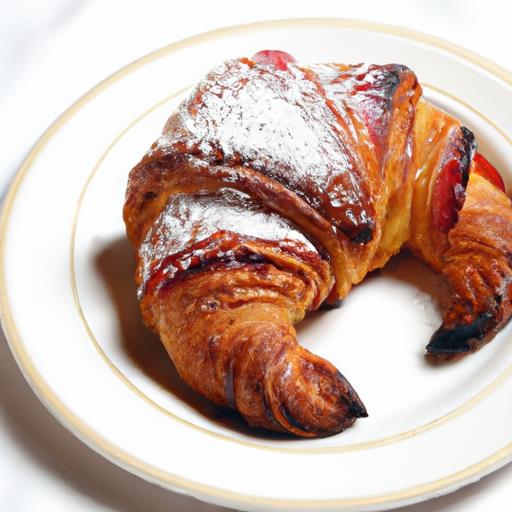

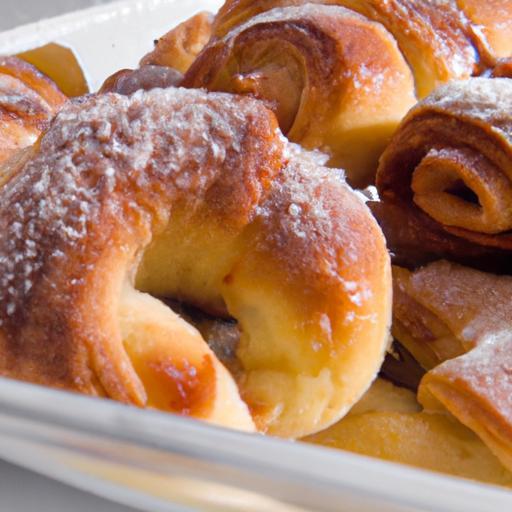
There’s a certain kind of magic that happens when buttery, flaky pastry meets the crunch of pearl sugar – and nowhere is this enchantment more vivid than in the beloved croissant au sucre perlé. This sweet delight, with its golden, crisp layers dusted generously with shimmering sugar crystals, transforms the humble croissant into an irresistible treat that dances between tradition and indulgence. Beyond its tantalizing taste, the croissant au sucre perlé carries with it a rich heritage and a craftsmanship that turns simple ingredients into a sensory masterpiece. In this article, we’ll unwrap the story behind this charming pastry, explore what makes its texture and flavor so uniquely captivating, and discover why it continues to capture the hearts of pastry lovers around the world.
Sweet Delight: The Magic of Croissant au Sucre Perlé offers a captivating journey into one of France’s most beloved pastries – where buttery,flaky layers meet the enchanting crunch of pearl sugar. Originating from the northern regions of France, this croissant variant elevates the customary flaky texture with bursts of caramelized sweetness, inviting both classic lovers and curious foodies to indulge in its heavenly blend of textures. As a culinary content creator and food stylist, I have found that mastering the balance between delicate lamination and the distinct sugar crunch is key to unlocking its full potential.
Prep and Cook Time
- Preparation: 30 minutes (plus 12 hours chilling)
- Resting/Lamination: 4 hours (multiple chilling layers)
- Baking: 20-25 minutes
- Total: Approximately 16 hours (largely inactive time)
Yield
8 generous croissants, perfect for sharing or savoring throughout the morning
Difficulty Level
Advanced – Ideal for bakers cozy with laminated dough and seeking to master precise temperature control and layering.
Ingredients
- 500g all-purpose flour, sifted
- 60g granulated sugar
- 10g fine sea salt
- 15g instant dry yeast
- 300ml whole milk, cold
- 300g unsalted European-style butter, cold and cubed
- 150g pearl sugar (sucre perlé)
- 1 large egg, beaten (for egg wash)
Instructions
- Mix the dough: In a large bowl, combine the sifted flour, sugar, salt, and instant dry yeast-ensure the salt and yeast are kept separate initially to avoid deactivation.Pour in the cold milk gradually and mix just untill a shaggy dough forms.
- First rest: Cover the dough with plastic wrap and refrigerate for at least 8 hours or overnight. This slow fermentation enhances flavor complexity.
- Prepare the butter block: Place the cold butter cubes between two sheets of parchment paper and pound with a rolling pin into a firm,even rectangle about 8×6 inches. Chill until firm but pliable.
- Lamination begins: Roll out the rested dough on a lightly floured surface into a 12×8 inch rectangle.Place the butter block on one half of the dough and fold the other side over, sealing the butter completely inside.
- Folds and rest: Roll the dough gently into a 20×8 inch rectangle. Fold the dough into thirds like a letter (this is called a single turn).Wrap in plastic and chill for 1 hour. Repeat this rolling and folding process two more times, resting for 1 hour between each.
- Shape the croissants: After the final chill,roll the dough to a 24×10 inch rectangle. Using a sharp knife or pizza cutter, slice into 8 long triangles. Sprinkle pearl sugar evenly over each triangle, gently pressing it into the dough.
- roll and proof: Starting at the wide base, roll each triangle tightly toward the tip, forming classic crescent shapes. Place croissants on a baking tray lined with parchment, cover loosely with plastic wrap, and proof at room temperature for 2-3 hours until doubled in size.
- Egg wash and bake: Preheat the oven to 375°F (190°C).Brush each croissant gently but completely with the beaten egg without dislodging pearl sugar. Bake for 20-25 minutes until deep golden and crisp.
- Cool briefly: Remove from oven and let croissants cool on a rack for 10 minutes to set the flaky layers and allow the pearl sugar to crystallize perfectly.
Chef’s Notes and Tips for Success
- Butter selection matters: Choose a European-style butter with at least 82% fat for the flakiest, richest layers possible.
- Keep everything cold: Work quickly during lamination to prevent butter melting and ensure those signature flaky layers.
- Pearl sugar alternatives: If unavailable,coarse sugar crystals can be a substitute,but pearl sugar adds that distinct crunch without melting completely.
- Make-ahead option: After shaping, freeze croissants on the baking tray, then transfer to a freezer bag. Bake straight from frozen, adding 5-7 minutes to baking time.
- Common issues: If croissants flatten during proofing, proof in a cooler spot. Over-proofing can cause loss of structure, while under-proofing results in dense texture.
Serving Suggestions to Elevate Your Experience
serve warm alongside a fresh pot of dark roasted coffee or a delicately brewed green tea. Garnish with a light dusting of powdered sugar or a few fresh berries for vibrant contrast. Pair these croissants with homemade fruit preserves – apricot or raspberry – that will beautifully complement the sweetness of the pearl sugar. For an indulgent treat, a side of lightly whipped vanilla cream or mascarpone cheese invites extra decadence.
For added texture and flavor, try sprinkling crushed toasted almonds over the croissants during the egg wash step. Present croissants on a rustic wooden board paired with a small bowl of seasonal fruit compote to impress guests visually and gastronomically.
| Nutrient | per Croissant (Approx.) |
|---|---|
| Calories | 350 kcal |
| Protein | 6 g |
| Carbohydrates | 40 g |
| Fat | 18 g |
Discover more on perfecting croissant techniques
For detailed science behind the lamination process, this scientific overview offers excellent insights.

Q&A
Q&A: Sweet Delight – The Magic of Croissant au Sucre Perlé
Q1: What exactly is a Croissant au Sucre Perlé?
A Croissant au Sucre Perlé is a dazzling variation of the classic French croissant, celebrated for its golden, flaky layers generously studded with crunchy pearl sugar (sucre perlé). This sugar adds a delightful crackle and a burst of sweetness, transforming the traditional buttery pastry into a sparkling treat that’s both simple and indulgent.
Q2: How does the pearl sugar influence the texture and flavor of the croissant?
Pearl sugar is the secret superstar here-its large sugar crystals resist melting during baking, creating a satisfyingly crunchy contrast to the croissant’s tender, flaky dough. On the palate,this interplay magnifies both the crispness and the buttery richness,with bursts of sweet crunchiness that elevate every bite.
Q3: Where did the Croissant au Sucre Perlé originate?
While the croissant itself traces back to Austrian and French baking traditions, the addition of pearl sugar has roots in Belgian and northern French patisserie culture. It’s a beloved regional twist that highlights local preferences for textural play and simple, honest flavors.
Q4: How is Croissant au Sucre Perlé typically enjoyed?
This pastry shines as a morning treat alongside a freshly brewed coffee or tea, but it also makes for a spectacular afternoon delight.The sweetness is subtle enough to complement fruit preserves or a dollop of fresh cream, yet robust enough to stand perfectly on its own.
Q5: Can Croissant au Sucre Perlé be made at home?
Absolutely! While the technique demands patience-each layer of dough and butter must be laminated carefully-the result is worth the effort. Key tips include using quality butter, chilling the dough appropriately, and generously sprinkling pearl sugar before the final bake. The reward? A stunning, golden croissant with that signature sweet crunch.
Q6: What sets sucre perlé apart from regular sugar in baking?
Unlike granulated sugar, pearl sugar consists of compressed sugar crystals that don’t dissolve easily in heat. This resilience means it stays intact through baking, providing a striking visual appeal and a unique textural element that regular sugars simply can’t replicate.
Q7: Are there variations of Croissant au Sucre Perlé?
Indeed, creative bakers sometimes introduce subtle twists-like adding a hint of vanilla or cinnamon to the dough-or incorporating a light dusting of powdered sugar after baking for extra sweetness. Though, the essence remains the harmonious marriage of flaky pastry and crunchy pearl sugar.
Q8: Why has Croissant au Sucre Perlé become so beloved among pastry lovers?
Its magnetism lies in its simplicity paired with sensory delight-the buttery layers that flake like autumn leaves, the unexpected crunch of caramelized sugar, and the nostalgic sweetness that evokes cozy mornings and leisurely cafés. It’s both a comfort and a celebration wrapped in a golden crescent.
Insights and Conclusions
As the flaky layers of a perfectly baked croissant au sucre perlé melt on your tongue, you’re reminded that some culinary delights carry a little magic in every bite. Beyond its golden crust and pearl sugar sparkle lies centuries of tradition, craftsmanship, and a simple joy that transcends borders. Weather enjoyed with morning coffee or as an afternoon treat, this sweet masterpiece invites us to slow down, savor the moment, and celebrate the art of pastry in its most enchanting form. So next time you crave a touch of sweetness wrapped in buttery perfection, remember: the magic of croissant au sucre perlé is waiting to turn an ordinary day into something truly remarkable.