
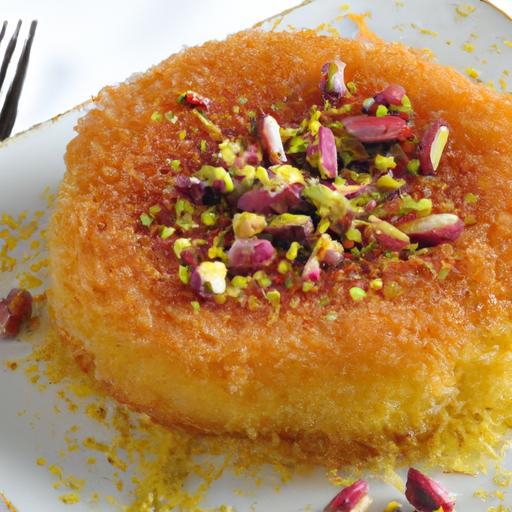
In teh bustling souks of the Levant,where the air is rich with the aromas of spices and fresh pastries,one sweet treat has captured hearts for centuries: knafeh. This golden, syrup-soaked dessert, with its delicate strands of shredded dough encasing layers of creamy cheese or luscious pistachio, is more than just a culinary delight-it is a story woven through time and tradition. “Knafeh Unveiled: The Sweet Tale of a Timeless Delight” invites you on a journey beyond the plate, exploring the origins, cultural significance, and the irresistible allure of this beloved Middle Eastern treasure. Join us as we peel back the layers of knafeh’s rich history and savor the sweetness that continues to enchant generations around the world.
Knafeh unveils a captivating story of culinary artistry and cultural heritage, originating from the heart of the Middle East. this iconic dessert, with its delicate strands of vermicelli-like dough and luscious cheese filling, is much more than a sweet treat-its a symbol of celebration and communal warmth. Generations have cherished Knafeh as a festive staple, especially during Ramadan and special occasions, imbuing every bite with memories and tradition.My earliest experience with this delight was at a bustling Damascus market, where the aroma of melted butter and sweet syrup instantly hooked my senses and inspired my passion for mastering its-making art.
Prep and Cook Time
- Readiness: 25 minutes
- Cooking: 30 minutes
- Total Time: 55 minutes
Yield
serves 6-8 generous portions
Difficulty Level
Medium – requires patience for layering and attention to detail
Choosing the Perfect Ingredients for Authentic Texture and Flavor
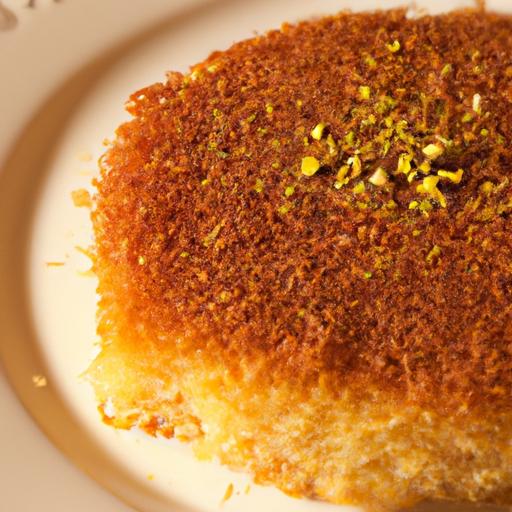
Authenticity starts with the ingredients: fine kataifi dough (shredded phyllo strands) delivers that signature crisp texture while melting into buttery crunch, and a high-quality mild white cheese such as Akkawi or Nabulsi balances the sweetness with a salty tang. Freshly melted clarified butter enriches the dough without sogginess, and a fragrant rose water-infused sugar syrup forms an irresistible glaze. These components harmonize to produce the perfect knafeh experience-the golden crust giving way to a creamy cheese layer beneath.
Ingredients
- 500g kataifi dough, thawed and fluffed
- 300g Akkawi cheese, soaked and drained to remove excess salt
- 150g unsalted butter, clarified and warm
- 1 cup granulated sugar
- 1/2 cup water
- 1 tbsp fresh lemon juice
- 1 tbsp rose water or orange blossom water
- 1/4 cup finely chopped pistachios for garnish
Mastering the Art of Knafeh Making From Dough to Cheese Layer
- Prepare the syrup: In a small saucepan, combine sugar and water.Bring to a boil, stirring to dissolve sugar, than simmer 10 minutes until slightly thickened. Add lemon juice and rose water, stir gently, and set aside to cool fully.
- Prepare the dough: Fluff the thawed kataifi dough by gently pulling strands apart with your fingers to avoid clumps. Pour warm clarified butter over it and toss thoroughly until every strand is coated, ensuring a rich and golden crust.
- Prepare the cheese: Rinse the Akkawi cheese under cold water for 30 minutes, changing water once or twice to desalinate. Squeeze out excess moisture and crumble or thinly slice to spread evenly.
- Assemble the base: Lightly butter a 12-inch round baking pan. Press half of the buttered kataifi dough evenly on the bottom,compacting with your fingers or the back of a spoon for an even layer.
- Add cheese layer: Distribute the cheese evenly over the dough, making sure to cover the entire surface for consistent melt.
- Top with remaining dough: Cover the cheese with the remaining kataifi, pressing gently but firmly to ensure good crust formation.
- Bake: Preheat oven to 180°C (350°F). Bake the knafeh for 25-30 minutes until the top is golden brown and crisp.
- Finishing touch: Remove from oven, immediately drizzle the cooled sugar syrup evenly over the hot knafeh so the syrup seeps through every layer.
- garnish and serve: Sprinkle with chopped pistachios and allow to cool for 5 minutes before slicing to serve warm, letting the cheese pull delightfully with every bite.
Expert Tips for Serving and Pairing Knafeh to Elevate Your Dessert Experience
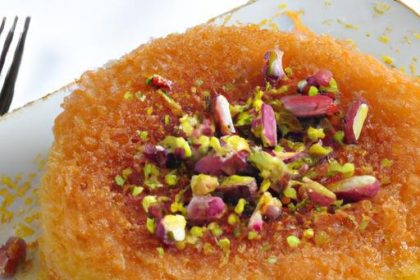
Present knafeh on a colorful serving platter to highlight its sun-kissed golden crust contrasted by vibrant green pistachios. Pair it with a delicately brewed cardamom coffee or a cup of floral mint tea to balance the sweetness and cleanse the palate. For an extra layer of texture, serve alongside a dollop of thick labneh or clotted cream. Keeping knafeh warm during serving enhances the gooey cheese pull that is its signature appeal.
Chef’s Notes and Tips for Success
- substitution: Mozzarella can replace Akkawi when unavailable, but lightly soak to reduce moisture.
- Make-ahead: Assemble knafeh without syrup, cover tightly, refrigerate for up to 8 hours, then bake fresh before syrup application.
- Prevent sogginess: Clarify butter meticulously and fully coat the kataifi strands for perfect crispness.
- Slicing: Use a sharp serrated knife dipped in warm water to cut flawlessly without shredding.
| Nutrient | Per Serving |
|---|---|
| Calories | 320 kcal |
| Protein | 12 g |
| Carbohydrates | 28 g |
| Fat | 18 g |

For more Middle Eastern dessert inspiration, explore our Baklava recipe guide. Discover cultural richness and harmony at Britannica’s knafeh History.
Q&A
Q&A: Knafeh Unveiled – The Sweet Tale of a Timeless Delight
Q1: What exactly is knafeh, and why is it considered timeless?
A1: Knafeh is a luscious Middle Eastern dessert that masterfully blends shredded phyllo dough or semolina crust with gooey, melted cheese or rich cream, all soaked in fragrant orange blossom or rose water-infused sugar syrup. Its reputation as timeless stems from its centuries-old presence in Levantine culture, where its irresistible fusion of textures and flavors has delighted generations.
Q2: Where did knafeh originate, and how has it evolved over time?
A2: Knafeh traces its roots to the Levant region-modern-day Palestine, Lebanon, Jordan, and Syria-where it emerged as a festive treat during special occasions. Over time, the dessert evolved with regional twists: some areas favor a soft, stretchy cheese filling, while others emphasize crispier, more delicate shredded dough. Today, knafeh proudly represents both tradition and culinary creativity.
Q3: what makes knafeh distinct compared to other desserts?
A3: Unlike many sweets that rely solely on sugar and cream, knafeh’s magic lies in its harmonious balance: the crisp, buttery crust contrasts with the smooth, slightly salty cheese inside, all drenched in aromatic syrup. This dance of sweet and savory, crunchy and creamy, creates an unforgettable sensory experience.
Q4: Are there different types of cheese used in knafeh?
A4: Absolutely! Traditional knafeh frequently enough uses a mild, stretchy cheese like Nabulsi or Akkawi, which melts beautifully without overpowering the dessert. In some recipes, fresh mozzarella or ricotta can serve as substitutes, maintaining the essential creamy texture while respecting the authentic flavor profile.
Q5: How is knafeh typically served and enjoyed?
A5: Knafeh is traditionally served warm, straight from the oven, to savor its melting cheese and crisp topping at their peak. It’s often garnished with crushed pistachios for texture and color, and sometimes a drizzle of rose water or orange blossom syrup enhances its floral aroma. Enjoying knafeh with a cup of strong, bittersweet coffee or spiced tea heightens the indulgence.
Q6: Can knafeh be adapted for modern palates or dietary preferences?
A6: While knafeh’s heart lies in tradition, inventive bakers have explored gluten-free pastry options or plant-based cheeses to accommodate dietary choices. Experimenting with choice natural sweeteners or infusions, like saffron or cardamom, can also add exciting new dimensions while honoring the dessert’s heritage.
Q7: What cultural significance does knafeh hold today?
A7: Beyond its delightful taste, knafeh symbolizes hospitality, celebration, and shared joy in many Middle Eastern communities. It frequently appears at weddings, religious festivals, and family gatherings, acting as a sweet connector between past and present, memory and moment.
Q8: Where can someone outside the Middle East experience authentic knafeh?
A8: Thanks to globalization and growing appreciation for Middle Eastern cuisine, authentic knafeh can be found in specialized bakeries and restaurants worldwide-especially in cities with vibrant Arab communities. for the adventurous,making knafeh at home can become a rewarding culinary journey into the heart of Levantine culture.
Q9: What tips can elevate the homemade knafeh experience?
A9: Use high-quality cheese and fresh pastry for the best results. Patience is key: gently layer the dough or semolina and cheese, ensuring each element cooks evenly. Applying butter generously prevents dryness,and pouring syrup while the knafeh is hot helps it absorb maximum sweetness and fragrance.
Q10: Why does knafeh continue to capture hearts globally?
A10: Knafeh’s enduring appeal lies in its sensory poetry-the way it marries crunch with cream, sweetness with subtle salt, and tradition with innovation. It invites everyone to taste a story, rich with history and passion, offering both comfort and delight in every bite.
In Summary
As the final thread of syrup-soaked pastry melts on your tongue,the story of knafeh lingers-an emblem of tradition woven with the rich tapestry of Middle Eastern culture. From its ancient origins to its contemporary acclaim, this timeless delight continues to bridge generations and borders, inviting us all to savor not just a dessert, but a shared heritage steeped in sweetness and history. Whether enjoyed in a bustling market or crafted lovingly at home, knafeh remains a tasty reminder that some stories are best told through taste.