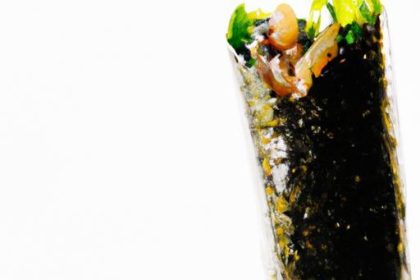



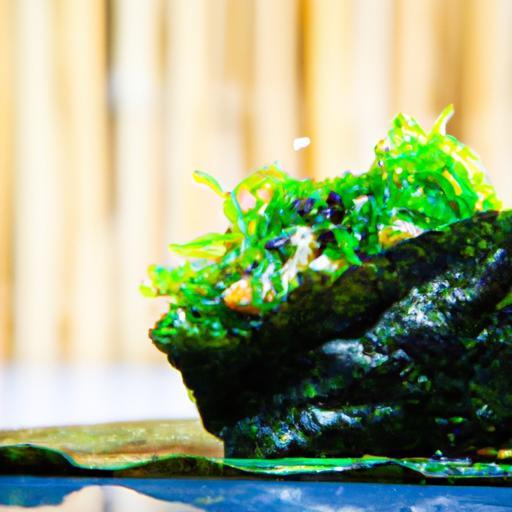
In the vibrant world of sushi-making, one humble ingredient plays a silent yet starring role: nori seaweed sheets.These dark-green, paper-thin layers are more than just edible wrappers-they are the essential canvas upon which sushi’s artful flavors and textures come alive. From conventional rolls to innovative culinary creations, nori holds the secret to that perfect bite, balancing taste, texture, and nutritional goodness. Whether you’re a seasoned sushi chef or a curious home cook, understanding the qualities, varieties, and handling of nori seaweed sheets is key to mastering the craft. Dive into our essential guide and discover everything you need to know about the sushi wrapper that makes it all possible.
Nori seaweed sheets are the cornerstone of authentic sushi making, offering not just structure but a subtle oceanic flavor that brings each roll to life. Understanding how to select the best quality nori, handle it properly, and even think beyond sushi rolls can elevate your culinary creations. Whether you’re a seasoned sushi artisan or an enthusiastic home cook, mastering nori seaweed sheets will open up an exciting world of flavors and textures.
Prep and Cook Time
- Planning: 10 minutes
- Cooking/Assembly: 15-20 minutes
- Total Time: 25-30 minutes
Yield
- Makes 6-8 sushi rolls (approx. 24 pieces)
Difficulty Level
- Intermediate – requires precise handling and familiarity with sushi rolling techniques
Choosing the Perfect Nori Sheets for Authentic Sushi Making
When shopping for nori seaweed sheets, you’ll notice a variety of textures, thicknesses, and grades. Premium-grade nori is dark green to almost black, smooth, crisp, and has a uniform thickness with a subtle toasted aroma. Mid-grade options, often used for snacks, may be lighter in colour and less crisp. for sushi, aim for sheets classified as “top grade” or “A-grade” nori. These deliver the perfect balance of chewiness and snap, essential for cleanly rolling sushi without tear or bitterness.
Understanding the Different Grades and Textures of Nori
Grade impacts flavor, texture, and durability. High-grade nori seaweed sheets are harvested from the cleanest waters and processed with care,resulting in a deeply rich umami profile and velvety texture. Medium-grade nori is ideal for crunchier snacking but can fall apart during sushi preparation. Thickness varies too-thinner sheets help delicate rolls, while thicker ones lend structure for robust, larger rolls like futomaki. When inspecting your sheet, gently flex it; a quality nori will be supple, not brittle, and won’t crack easily.
How to Store and Handle Nori for Maximum Freshness
freshness is key with nori seaweed sheets. Exposure to humidity causes them to lose their crispness quickly. Store unopened packs in an airtight container or resealable bag, ideally with a moisture absorber packet, in a cool, dry place. Once opened, wrap your sheets tightly in plastic wrap and place them in an airtight box to prevent moisture absorption. When ready to use, avoid handling nori with wet or oily hands-this leads to soggy sheets and affects both texture and flavor.
creative Ways to Use Nori beyond Traditional Sushi Rolls
While classic sushi rolls showcase nori beautifully, this versatile seaweed enhances many other dishes. Try finely shredded nori sprinkled over ramen or poke bowls for an extra umami burst. Use whole sheets as a crispy garnish by lightly toasting them until brittle, then breaking into shards atop salads or grilled veggies. Nori wraps also make excellent low-carb alternatives for wraps and sandwiches, or cut into strips and tossed into miso soup for added depth.Even ground nori mixed with toasted sesame seeds forms an irresistible homemade furikake seasoning.
Ingredients
- 6 sheets premium-grade nori seaweed sheets, crisp and dark green
- 2 cups sushi rice, cooked and seasoned with rice vinegar
- 1 cup assorted fresh sushi fillings (e.g., cucumber strips, avocado slices, cooked shrimp, or smoked salmon)
- 2 tbsp soy sauce or tamari (for dipping)
- 1 tbsp toasted sesame seeds (optional)
- Wasabi and pickled ginger for serving
Instructions
- Prepare your surface: Lay out a bamboo sushi mat lined with plastic wrap to prevent sticking. Have a bowl of water nearby to wet your hands for handling rice.
- Place the nori: Arrange 1 nori seaweed sheet shiny side down, matte side up, on the mat.
- Spread the rice: Using wet hands, gently but firmly spread a thin, even layer of sushi rice over ¾ of the nori sheet, leaving the top quarter free of rice for sealing the roll.
- Add fillings: Arrange your chosen fillings in a horizontal line near the bottom edge of the rice-covered section.
- Roll tightly: Lift the mat’s closest edge and roll forward with steady pressure to encase the fillings.Moisten the exposed nori strip to seal the roll.
- Cut the roll: Using a sharp,dampened knife,slice the roll into 6-8 equal pieces. Wipe the knife clean between cuts to maintain clean edges.
- Serve: Plate your sushi rolls with soy sauce, wasabi, and pickled ginger. Garnish with toasted sesame seeds for added crunch and aroma.
Tips for Success
- Always keep your nori seaweed sheets sealed tightly after opening to preserve crispness.
- Use a very sharp knife dipped in water before slicing to prevent rice from sticking and tearing the nori.
- Experiment with fillings beyond traditional fish-marinated tofu, tempura vegetables, or grilled mushrooms add texture and depth.
- Toasting nori briefly over an open flame can intensify its flavor and improve versatility but do so carefully to avoid burning.
- Make-ahead tip: Assemble sushi rolls without slicing and wrap tightly in plastic wrap; slice just before serving to maintain freshness.
Serving Suggestions
present sushi rolls on a sleek wooden platter or ceramic plate to highlight the dark emerald sheen of the nori seaweed sheets. Accompany with small dipping bowls of tamari or soy sauce mixed with a drop of yuzu for a citrus twist. Freshly grated ginger and a dollop of wasabi add punch while decorative edible flowers or microgreens can elevate the visual appeal. Pair sushi with chilled green tea or sparkling water with a twist of lime for a refreshing contrast.

| Nutrient | Per serving (4 pieces) |
|---|---|
| Calories | 180 |
| Protein | 6g |
| Carbohydrates | 32g |
| Fat | 2g |
For further inspiration on sushi and Japanese cuisine, explore our Japanese Cooking Basics guide and discover more creative uses for nori seaweed sheets. Additionally, authoritative insights on the health benefits of seaweed can be found at Healthline Seaweed Benefits.
Q&A
Nori Seaweed Sheets: The Essential Sushi Wrapper Guide - Q&A
Q1: What exactly is nori and why is it essential for sushi?
A1: Nori is a type of edible seaweed that is carefully harvested, dried, and pressed into thin, paper-like sheets. Its slightly salty, umami-packed flavor provides the perfect canvas for sushi, holding rice and fillings together while adding a subtle oceanic taste that complements the fresh ingredients inside.
Q2: How do I properly store nori sheets to keep them fresh and crisp?
A2: nori is highly sensitive to moisture and air. Keep your sheets in an airtight container or resealable bag with a desiccant packet or a pinch of rice to absorb humidity.Store them in a cool, dry place away from direct sunlight for maximum freshness and crunch.
Q3: Can nori sheets be used beyond traditional sushi rolls?
A3: Absolutely! Nori is incredibly versatile.Beyond sushi rolls, you can cut it into strips for garnishing ramen, sprinkle toasted flakes over salads, or even wrap seasoned rice balls (onigiri). Its savory punch adds depth to snacks and dishes beyond the sushi mat.
Q4: What are the different grades of nori,and how do they affect the sushi experience?
A4: Nori comes in various grades distinguished by color,texture,and flavor intensity.Premium-grade nori tends to be darker,shinier,and more uniform-offering a smoother,more delicate taste and better pliability for rolling sushi. Lower grades might be lighter and rougher, still functional but less refined in flavor and sturdiness.
Q5: Is there a best way to prepare nori sheets before making sushi?
A5: Typically, nori sheets are ready to use straight out of the package.Though, if you want to revive slightly limp sheets, a quick toast over low heat (or a brief nipple flame pass) can refresh their crispness. Just be careful-not to burn! Also, keep your hands dry to avoid soggy seaweed when handling them.
Q6: Are nori sheets nutritious?
A6: Yes! Nori is low in calories but packs a nutritional punch-rich in vitamins A, C, E, and B12, and also iodine, calcium, and protein.It’s a fantastic addition to your diet for boosting nutrient intake naturally, especially for those on plant-based or pescatarian diets.
Q7: Can nori sheets be substituted with anything else in sushi making?
A7: While nori is traditional and hard to replicate exactly, some creative alternatives exist: soy wrappers, thin slices of cucumber, or even rice paper can be fun substitutes. Though, none carry quite the same flavor and texture balance that nori offers-the ocean’s perfect edible wrapper.
Q8: how do I prevent nori from becoming soggy when rolling sushi?
A8: The key is to work quickly and avoid soaking the nori with wet ingredients. Spread your sushi rice gently and thinly, leaving a small border at the edges. Also, pat any juicy fillings dry if possible. The crispness of nori is best preserved with mindful, swift assembly before the moisture sets in.
Q9: What’s the best way to cut sushi rolls wrapped in nori without tearing?
A9: Use a very sharp, wet knife to slice through your sushi roll cleanly. Wiping the blade between cuts prevents rice or moisture buildup that can drag and tear the delicate nori.This ensures beautifully intact slices with that perfect seaweed-to-rice ratio.
Q10: Where can I buy high-quality nori sheets?
A10: High-quality nori is available at specialty Asian markets, health food stores, or reputable online retailers focusing on Japanese ingredients. Look for packaging that states premium grade, harvest location, and ideally a harvest date to ensure freshness and flavor.
Closing Remarks
Whether you’re a sushi novice or a seasoned roll master, understanding the role of nori seaweed sheets elevates your sushi-making journey from simple assembly to an art form. These thin, savory sheets are far more than just wrappers-they’re the edible canvas that holds flavor, texture, and tradition together in every bite. By selecting quality nori and mastering its handling, you unlock endless possibilities for creativity and taste. So next time you roll up your favourite ingredients, remember: the humble nori sheet is the unsung hero that ties it all deliciously together. Happy rolling!