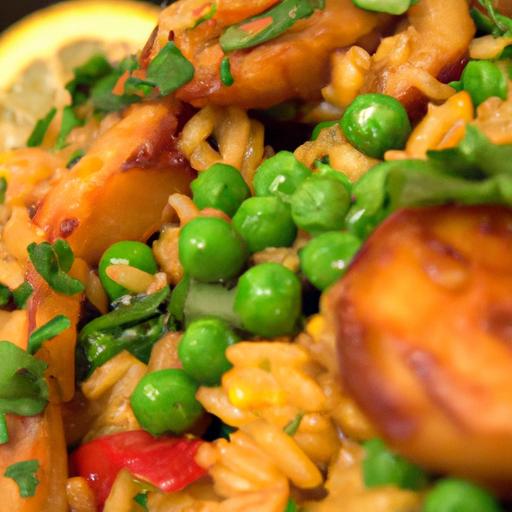

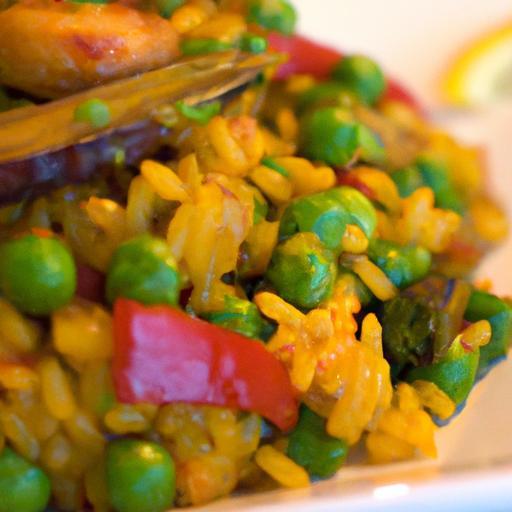
Vibrant, aromatic, and brimming with the fresh bounty of the garden-vegetable paella is a celebration of color and flavor that invites both the eyes and the palate to dance.Far beyond its customary Spanish roots,this iconic dish transforms humble vegetables into a sumptuous tapestry of textures and tastes that captivate the senses.In this colorful guide, we’ll journey through the essential ingredients, cooking techniques, and creative twists that turn a simple skillet of rice and veggies into a masterpiece worthy of any festive table. Whether you’re a seasoned cook or a curious kitchen adventurer, get ready to savor the flavor and bring a burst of sunshine to your next meal with vegetable paella.
Savor the Flavor of a vibrant vegetable paella is a journey that begins long before the first grain of rice hits the pan.Rooted in Spanish tradition,this dish captures the heart of Mediterranean cooking with an abundance of fresh,colorful vegetables and an aromatic symphony of spices. Each ingredient plays a vital role in creating a harmonious blend where smoky, sweet, and earthy notes intermingle perfectly. Drawing from years of culinary experience, I promise this recipe invites both home cooks and seasoned chefs alike to embrace the magic of layering flavors for a truly memorable meal.
Prep and Cook Time
- Planning: 20 minutes
- Cooking: 40 minutes
- Total Time: 1 hour
Yield
Serves 4 generous portions
Difficulty Level
Medium – Great for cooks ready to explore classic techniques with plant-based freshness
Ingredients
- 2 tbsp extra virgin olive oil
- 1 large onion, finely chopped
- 3 cloves garlic, minced
- 1 red bell pepper, diced
- 1 yellow bell pepper, diced
- 1 cup green beans, trimmed and cut into 1-inch pieces
- 1 medium zucchini, diced
- 1 cup artichoke hearts (fresh or jarred), quartered
- 2 large ripe tomatoes, peeled and chopped
- 1 ½ cups bomba or short-grain paella rice
- 4 cups vegetable broth, warmed
- Pinch of saffron threads, soaked in 2 tbsp warm water
- 1 tsp smoked paprika
- ½ tsp sweet paprika
- Salt and freshly ground black pepper, to taste
- fresh flat-leaf parsley, finely chopped for garnish
- Lemon wedges, for serving
- Optional: roasted piquillo peppers or olives for garnish
Instructions
- Warm the olive oil in a wide, heavy-bottomed paella pan or large skillet over medium heat.Add the onion and sauté until translucent, about 5 minutes, stirring gently.
- add the garlic and bell peppers, cooking for another 4 minutes until soft but not browned. This step releases the natural sweetness that balances the dish.
- Incorporate green beans,zucchini,and artichokes,sautéing until they develop a slight golden hue,about 6 minutes.This gently intensifies their flavor.
- Stir in the fresh tomatoes, smoked paprika, and sweet paprika. Allow the mixture to simmer on low heat, stirring occasionally, until a chunky sofrito forms (about 8 minutes). This foundational flavor base is where the paella’s depth takes shape.
- Add the rice and stir thoroughly to coat every grain with the sofrito mixture for about 2 minutes. This helps build the characteristic toasted layer beneath the rice.
- Pour in the warm vegetable broth and saffron infusion. Season with salt and pepper. Give the paella an even layer, but avoid stirring further as it cooks – patience yields that coveted crispy bottom, the socarrat.
- Simmer uncovered over medium heat for 18-20 minutes, until the rice absorbs the liquid. If broth evaporates too quickly, gently add a bit more warm stock, but keep stirring to a minimum.
- remove from heat and cover the pan with a clean kitchen towel.Let it rest for 5-7 minutes to allow flavors to meld and the rice to stabilize for perfect texture.
Tips for Success When You Savor the Flavor of Vegetable Paella
- Choosing rice: while bomba rice is traditional for its absorbent and firm texture, arborio can work as a substitute. Avoid long-grain varieties to prevent mushiness.
- Saffron quality matters: Use authentic threads for a subtle floral aroma and golden hue. A pinch goes a long way-avoid artificial coloring or powders.
- Don’t rush the sofrito: This slow-cooked vegetable base is essential to build those complex, layered flavors before the rice joins the pan.
- Control heat carefully: Medium heat helps develop the socarrat without burning. Watching closely near the end prevents bitterness.
- Make-ahead: prepare the sofrito and vegetable mix earlier in the day, then assemble the paella just before serving for maximum freshness.
Creative Garnishes and Serving Suggestions
Elevate your colorful vegetable paella with fresh accents that awaken every bite.Scatter a handful of fresh parsley finely chopped for a vibrant green contrast. Serve alongside bright lemon wedges, encouraging diners to gently squeeze citrus over each serving to heighten the saffron’s warmth. Consider roasting piquillo peppers or adding briny olives on the side for an extra pop of flavor and inviting textures. For an authentic Spanish table experience, pair with a chilled sparkling water infused with a slice of cucumber or a crisp, herbaceous Patatas Bravas to complement the meal beautifully.
| Nutrient | per Serving |
|---|---|
| Calories | 320 kcal |
| Protein | 8 g |
| Carbohydrates | 52 g |
| Fat | 7 g |

Try our Mediterranean Roasted Vegetables next to your paella for a sumptuous plant-based spread.
Q&A
Q&A: Savor the flavor – A Colorful Guide to Vegetable Paella
Q1: What makes vegetable paella different from traditional paella?
A1: While traditional paella often features seafood or meats, vegetable paella celebrates the vibrant bounty of fresh vegetables and aromatic spices. This plant-based version bursts with color, texture, and flavors that highlight the natural sweetness and earthiness of seasonal produce, making it both visually stunning and deliciously satisfying.
Q2: Which vegetables work best in a vegetable paella?
A2: A medley of colorful veggies really brings the dish to life. Think bell peppers (red, yellow, orange), tender artichoke hearts, juicy tomatoes, sweet peas, bright green beans, and earthy mushrooms. Roasted or grilled vegetables like zucchini and eggplant add smoky depth,while tender asparagus tips can lend a delicate snap.
Q3: How do you achieve the signature paella socarrat (the crispy crust)?
A3: The socarrat is the golden,slightly crispy rice layer at the bottom of the pan-a true hallmark of paella. To get it just right in a vegetable paella, use a wide, shallow pan and spread the rice evenly. Cook over medium-high heat without stirring once the broth is added, letting the rice softly roast and caramelize against the pan’s surface, releasing that irresistible toasted flavor.
Q4: What kind of rice is ideal for vegetable paella?
A4: Short-grain rice varieties like Bomba or Calasparra are traditional and excellent choices. Their ability to soak up liquid without becoming mushy creates the perfect tender yet firm texture essential for paella.
Q5: Can you give tips for layering flavors in vegetable paella?
A5: Absolutely! Start by sautéing aromatics-like garlic, onions, and smoked paprika-to build a flavorful base. Using homemade or quality vegetable broth enriches the rice with depth. Add tomatoes for acidity and a hint of sweetness. Fresh herbs like rosemary, thyme, or parsley sprinkled in toward the end brighten the dish. Don’t forget a pinch of saffron for that signature golden hue and subtle floral notes.
Q6: Is vegetable paella suitable for vegans and vegetarians?
A6: Yes! Vegetable paella is naturally vegan and vegetarian amiable, focusing entirely on plant-based ingredients. Its a great way to enjoy a traditional Spanish dish without any animal products while still packing a punch of flavor and nutrition.
Q7: How can one customize vegetable paella for different seasons?
A7: One of the joys of vegetable paella is its versatility. In spring, incorporate fresh peas, asparagus, and artichokes. Summer invites juicy tomatoes,bell peppers,and zucchini. Fall calls for hearty mushrooms, roasted squash, and green beans, while winter allows creative use of root vegetables and hearty greens. This seasonal shift keeps your paella fresh and exciting all year round.
Q8: What are some creative garnishes to finish a vegetable paella?
A8: Brighten the dish with freshly chopped parsley or cilantro for a burst of green. Lemon wedges add zesty brightness when squeezed over the top.Toasted pine nuts or slivered almonds provide a delightful crunch. For an earthy touch, scatter some pomegranate seeds-they offer both tartness and jewel-like color.
Q9: Can vegetable paella be made ahead of time?
A9: You can prepare the components ahead, such as chopping vegetables and making the broth, but it’s best enjoyed fresh to preserve the texture of the rice and the socarrat crust. Leftovers can be gently reheated with a splash of vegetable broth to revive moisture.
Q10: What dishes pair well with vegetable paella for a complete meal?
A10: Keep the accompaniments light and fresh to complement the rich, savory paella. A crisp green salad with citrus vinaigrette or a simple tomato and cucumber salad makes a perfect refreshing contrast. Grilled vegetables or roasted potatoes can add heartiness without overpowering the main dish. For a finishing touch, a fruit sorbet or fresh berries cleanse the palate.
Dive into the colorful world of vegetable paella and discover how this iconic dish can transform a simple mix of plants into a vibrant feast-full of flavor, tradition, and a splash of sunshine on your plate!
Closing Remarks
As the vibrant hues of bell peppers, peas, and tomatoes meld together in your vegetable paella, you’re not just preparing a meal-you’re crafting a celebration of nature’s bounty. This colorful dish invites you to savor each bite, embracing the rich textures and harmonious flavors that define a true paella experience. Whether you’re a seasoned chef or a curious novice, let this guide inspire you to explore the endless possibilities of vegetables in your kitchen. So next time you gather around the table, remember: a spoonful of color is a spoonful of joy. Happy cooking, and buen provecho!