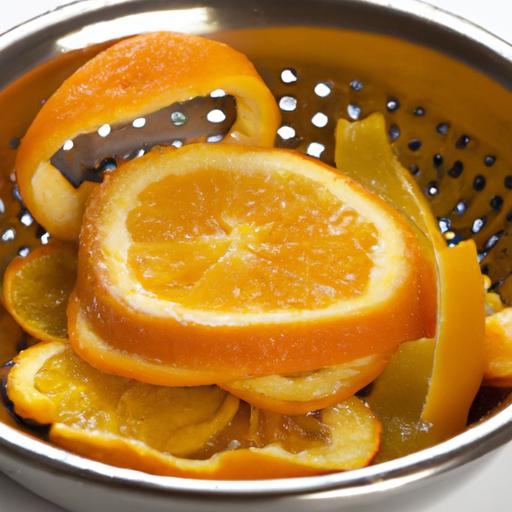

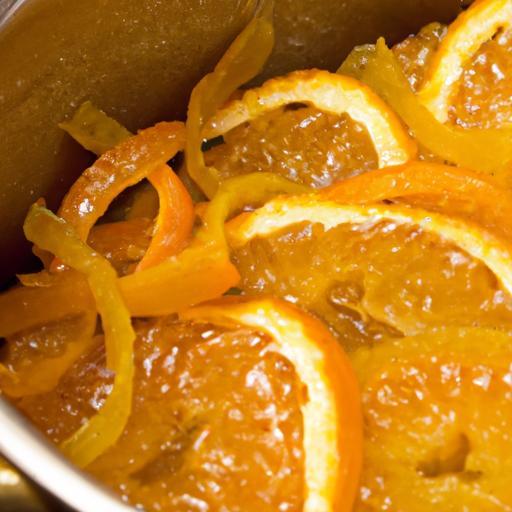
There’s something irresistibly bright and chewy about candied citrus peels – those shimmering slices of sunshine that transform simple fruit rinds into sweet, tangy treasures. Traditionally a slow simmer on the stove, the process can test patience and precision, but what if you could capture that same zesty sweetness in a fraction of the time? Enter the pressure cooker: a kitchen marvel that turns candying citrus peels from a careful ritual into an accessible, almost effortless delight. In this article, we’ll unravel the magic behind pressure cooker candied citrus peels, revealing tips and techniques to help you master this vibrant treat with speed, flavor, and finesse. Get ready to infuse your pantry with golden strips of citrus bliss – bright, tender, and perfectly sweetened.
Zesty Sweetness: Mastering Pressure Cooker Candied Citrus Peels
Zesty sweetness begins with understanding the delicate interplay of sugar,citrus,and heat that transforms ordinary peels into irresistibly tender,tangy jewels. This method elevates your candying game using a pressure cooker, which cuts down the conventional long and laborious process into effortless, speedy perfection. By mastering the science behind candying and selecting premium citrus varieties, you’ll unlock intense zesty flavors that truly pop.
Prep and Cook Time
- Planning: 20 minutes
- Cooking: 40 minutes (including pressure-release time)
- Total: 1 hour
Yield
Approximately 2 cups of candied citrus peels
Difficulty Level
Easy to Medium – perfect for home cooks and aspiring confectionery artists
Ingredients
- 4 large organic citrus fruits (choose a combination of lemons,oranges,grapefruits,or tangerines for zesty complexity)
- 2 cups granulated sugar (plus extra for coating)
- 1 cup water
- 1 teaspoon vanilla extract (optional,adds warmth to flavor)
Understanding the Science Behind Perfectly Candied Citrus Peels
When you candy citrus peels,you’re essentially infusing the fibrous rind with sugar syrup until it becomes beautifully translucent and tender. The pressure cooker accelerates sugar infusion by using steam heat at high pressure, which breaks down the bitter pith more effectively than traditional stovetop simmering.This means less bitterness,a tender but slightly chewy texture,and a balanced sweet-tart flavor.
Selecting the Best Citrus Varieties for Intense zesty Flavors
Opt for thin-skinned, juicy citrus like Meyer lemons for their floral tang, and Valencia oranges for robust sweetness.Grapefruits offer a pleasantly bitter edge that contrasts with the sugary coating,while tangerines bring a fragrant,almost floral nuance. Combining thes varieties results in a more layered flavor profile that enhances both candying appeal and finished dish versatility.
Step-by-Step Guide to Using Your Pressure Cooker for Effortless Candying
- Prepare the peels: Using a sharp paring knife or vegetable peeler, remove the zest from the fruits in large strips, avoiding as much white pith as possible to reduce bitterness. For a milder flavor, carefully scrape off excess pith with a spoon.
- Blanch the peels: Place the peels in your pressure cooker and cover with cold water. Seal the lid, set to high pressure for 3 minutes.Speedy-release the pressure, then drain the water. Repeat this blanching step twice to mellow bitterness.
- Create the sugar syrup: Return the peels to the pressure cooker.Add 1 cup water and 2 cups sugar, stirring gently to dissolve. You want the peels fully submerged in syrup for even candying.
- Pressure cook: Seal the lid and cook on high pressure for 15 minutes. Allow the pressure to release naturally for 15 minutes to maintain texture and flavor depth.
- simmer to glaze: Remove the lid and switch to the sauté mode. Simmer the peels in syrup until the liquid thickens and clings to the peels like a glossy glaze, about 10 minutes. Stir occasionally to avoid sticking and burning.
- Cool and coat: Using a slotted spoon, transfer peels onto a wire rack to cool slightly. Toss them in granulated sugar for a sparkling coating that adds a delightful crunch and extra sweetness.
- Dry fully: Let the sugared peels dry at room temperature for 4-6 hours or overnight. Store fully dry peels in an airtight container to maintain their chewy-crisp texture.
Tips and Tricks to Store and Use Your Candied Peels in Creative Recipes
Candied citrus peels are surprisingly versatile – they’re not just a snack but a vibrant ingredient that can elevate desserts and savory dishes alike. Store peels in an airtight glass jar, adding a small piece of parchment paper between layers to prevent sticking. Keep in a cool, dry place; they’ll last for several weeks, perfect for gifting.
Use these zesty sweet bites to decorate cakes and cupcakes, fold finely chopped peels into muffin or scone batter for bursts of citrus zing, or infuse them into simple syrup for cocktails and mocktails. For an unexpected twist, chop and add to grain salads or sprinkle on roasted vegetables just before serving – the balance of tangy, sweet, and bitter notes will astonish your palate.
Chef’s Notes for Success
- Pressure cookers vary; if yours runs hot or fast, reduce cooking time slightly to prevent overly soft peels.
- If you prefer less sweetness, reduce sugar to 1 ½ cups and increase water to 1 ½ cups, adjusting simmer time accordingly.
- for extra flavor dimension, add a cinnamon stick or star anise pod to the syrup before cooking.
- Try drying candied peels in a low oven at 150°F (65°C) for 1-2 hours if your kitchen is humid,to maintain crispness.
- Make-ahead: Candied peels can be frozen in a sealed bag for up to 3 months; thaw at room temperature before usage.
Serving Suggestions
Serve your candied citrus peels as elegant palate cleansers alongside dark chocolate or roasted nuts. Garnish cheeseboards with peels artfully curled into rosettes. Enhance your afternoon tea or coffee experience by stirring a peel into your cup for a lightly perfumed sweetness. For a festive flair, use peels to adorn gingerbread houses or tie onto gift boxes as a natural edible decoration.
| Nutrient | Per 2 tbsp Candied Peel |
|---|---|
| Calories | 90 |
| Carbohydrates | 23g |
| Protein | 0g |
| Fat | 0g |
| Sugar | 21g |
Discover other zesty citrus recipes to broaden your citrus repertoire. For a deeper understanding of sugar crystallization and candy science, visit Science Daily’s article on sugar crystallization.

Q&A
Q&A: Zesty Sweetness - Mastering Pressure Cooker Candied Citrus Peels
Q1: What makes candied citrus peels such a delightful treat?
A1: Candied citrus peels combine the bright, aromatic zestiness of citrus with a luscious, sugary coating that offers both chewiness and sparkle. This sweet-tart harmony is perfect for snacking, baking, or garnishing, bringing a burst of sunshine and a complex tang to any dish or dessert.
Q2: Why use a pressure cooker for candying citrus peels?
A2: the pressure cooker accelerates the candying process, softening the pits and pith while infusing the peels with sugar deeply and evenly. This method reduces cooking time dramatically compared to stovetop simmering, ensuring a tender, melt-in-your-mouth texture in a fraction of the time.
Q3: Which citrus fruits work best for candied peels?
A3: Oranges, lemons, limes, and grapefruits are all fantastic choices. Each variety offers a unique flavor profile-from the sweet, floral notes of orange to the tangy brightness of lemon. Mixing different peels can create a vibrant, multi-dimensional taste palette.
Q4: How do you prepare citrus peels before candying?
A4: Begin by washing the fruit thoroughly. Peel the citrus carefully, avoiding too much white pith if you want less bitterness, or leaving some for slight tannic complexity. Slice the peels into thin strips or small chunks. Blanch them by boiling briefly and draining to reduce bitterness before candying.
Q5: What sugar ratio and type work best for the syrup?
A5: A simple syrup with equal parts sugar and water is classic, but you can experiment with slight variations-like adding a bit of honey or maple syrup for depth. The key is enough sugar to saturate the peels and preserve them, balancing sweetness with the natural citrus oils.
Q6: Can you add flavor twists to your candied citrus peels?
A6: Absolutely! Spice things up by infusing your syrup with cinnamon sticks, star anise, vanilla pods, or even a splash of aromatic extracts like rose water or orange blossom. These subtle additions can elevate the peel’s flavor, making your batch uniquely memorable.
Q7: How do you store candied citrus peels to keep them fresh?
A7: Onc cooled and dried slightly, keep your candied peels in an airtight container. Store them at room temperature for up to two weeks, or refrigerate to extend freshness. You can also freeze them for longer-term storage without sacrificing flavor or texture.
Q8: What are some creative uses for homemade candied citrus peels?
A8: Beyond munching straight, toss candied peels into cookie or cake batters, sprinkle over ice cream or yogurt, or chop finely to stir into salads for a surprising zing. they also make elegant garnishes for cocktails (sans alcohol), chocolates, or cheese boards.Q9: How do you avoid overly sticky or tough peels?
A9: Controlling cooking time is essential-pressure cook just long enough to soften but not break down the peel’s structure. After candying, let them dry on a rack so excess syrup drains away, preventing clumping and promoting that perfect chewy texture.
Q10: Is it better to candy citrus peels fresh or dried?
A10: Fresh peels provide fresher flavor and more vibrant oils, making the end product brighter and zestier. Dried peels can be used but may yield a less tender and aromatic result. For best zesty sweetness, start with fresh, high-quality citrus fruits.
Harness the magic of your pressure cooker and citrus bounty to create these radiant, sweet treasures that brighten your kitchen and delight your palate. Happy candying!
Insights and conclusions
As the final note of zesty sweetness lingers on your palate, mastering the art of pressure cooker candied citrus peels reveals itself as both a joyful craft and a delightful way to elevate your culinary repertoire. By harnessing the swift precision of the pressure cooker, you unlock vibrant flavors and tender textures that infuse your treats with sunshine in every bite. Whether sprinkled atop desserts, stirred into teas, or savored straight, these candied peels transcend ordinary citrus by capturing the essence of zest and sugar in perfect harmony. embrace this technique, and transform simple peels into irresistible jewels of flavor-proof that sometimes, the sweetest successes come from the most unexpected places.