
In a world where dietary preferences and health-conscious choices are reshaping our kitchens, grain-free baking emerges as both an art and a festivity of real food. “Bake better: The Art of Grain-Free Real Food Baking” invites you to step beyond traditional flour and explore the rich,wholesome textures and flavors born from nature’s most nourishing ingredients. Whether you’re driven by allergies, lifestyle, or simply a love for innovative cooking, mastering grain-free baking unlocks a world where every bite tells a story of health, creativity, and flavorful possibility. Join us as we delve into techniques, tips, and recipes that transform simple pantry staples into mouthwatering masterpieces-proving that baking without grains is not just an alternative, but an art form worth savoring.
Bake Better: The Art of Grain-Free Real Food Baking begins with mastering the delicate balance of flavor and texture through well-chosen alternative flours and natural sweeteners. This guide will awaken your culinary creativity by unlocking the secrets of grain-free baking-transforming humble ingredients into gourmet delights that dazzle the palate and nourish the body.
Prep and Cook time
- Prep Time: 20 minutes
- Cook Time: 30 minutes
- Total Time: 50 minutes
Yield
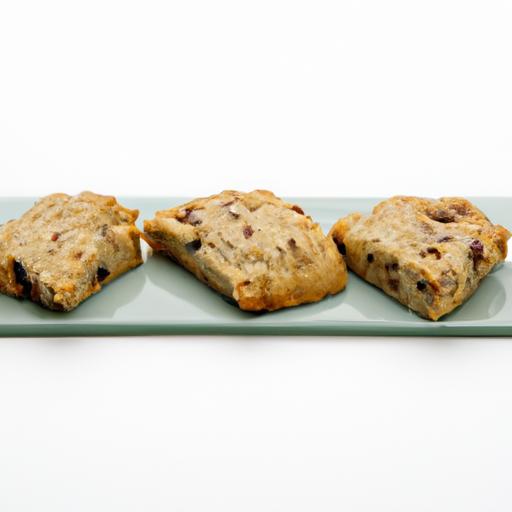
Makes 12 delicious grain-free muffins
Difficulty Level
Easy to Medium
Ingredients
- 1 ½ cups almond flour, finely ground and blanched for smooth texture
- ½ cup coconut flour, sifted to avoid clumps
- ¼ cup arrowroot powder to enhance structure and lightness
- 1 tsp baking soda for natural leavening
- ½ tsp sea salt to balance flavors
- 3 large eggs, at room temperature
- ⅓ cup raw honey, a natural sweetener with rich floral notes
- ¼ cup melted coconut oil for moisture and subtle tropical aroma
- 1 tsp pure vanilla extract, to round the sweetness
- ½ cup unsweetened almond milk, for a gentle crumb and moisture
- ½ cup blueberries (fresh or frozen), optional for bursts of juicy sweetness
Instructions
- Preheat your oven to 350°F (175°C) and line a muffin tin with parchment or silicone liners to prevent sticking.
- Combine dry ingredients: In a large bowl, whisk together almond flour, coconut flour, arrowroot powder, baking soda, and salt until evenly distributed.
- Mix wet ingredients: In a separate bowl, beat eggs, raw honey, melted coconut oil, vanilla extract, and almond milk until fully combined and smooth.
- Incorporate wet into dry: Slowly pour the wet mixture into the dry ingredients, folding gently with a spatula to form a smooth, thick batter.Do not overmix-this helps maintain lightness.
- Add blueberries: Carefully fold in the blueberries to avoid crushing them, ensuring even distribution throughout the batter.
- Spoon batter into the muffin tin: Fill each cup about ¾ full for ideal rise and shape.
- bake: Place the tin in the oven and bake for 25-30 minutes or until tops are golden and a toothpick inserted into the center comes out clean.
- Cool: Allow muffins to cool for at least 10 minutes before removing from the tin to preserve their tender crumb.
Tips for Success
- Choosing alternative flours: Almond and coconut flours provide essential fat and fiber that replicate the texture of traditional wheat. Avoid overusing coconut flour as it absorbs more liquid and can dry out baked goods.
- Sweetener roles: Raw honey not only sweetens naturally but helps retain moisture and creates a rich caramelization. You can substitute with maple syrup for a milder sweetness but adjust liquids accordingly.
- Enhancing rise: Baking soda reacts to acidic honey and eggs, creating lift without grains. Ensure your baking soda is fresh for best results.
- Moisture preservation: Using coconut oil and almond milk enriches batter, making crumb tender and moist. Let wet ingredients reach room temperature to prevent coconut oil from solidifying into clumps.
- Make ahead: These muffins freeze beautifully. Wrap individually and reheat in a toaster oven or microwave for a fresh-baked taste anytime.
Serving Suggestions
Serve these grain-free muffins fresh with a smear of creamy almond butter or a drizzle of natural honey for breakfast or an afternoon treat. Garnish with a sprinkle of toasted sliced almonds and a few fresh berries to add texture and color. For a brunch spread, pair with freshly brewed herbal tea or a delicate green tea to complement the natural, nutty flavors.

| Nutrient | Per Muffin |
|---|---|
| Calories | 180 kcal |
| Protein | 6g |
| Carbohydrates | 12g |
| Fat | 14g |
For a deeper dive into alternative grain-free flours and their unique characteristics, check out our Ultimate Guide to Nut and Seed Flours.Further scientific insights into natural sweeteners can be found at this comprehensive study on honey’s composition and effects.
Q&A
Q&A: Bake Better – The Art of Grain-free Real Food Baking
Q1: What exactly does “grain-free real food baking” mean?
A: Grain-free real food baking is the art of creating delicious baked goods without traditional grains like wheat, rye, barley, or oats. Instead, it embraces wholesome, nutrient-dense ingredients such as nuts, seeds, coconut flour, and root vegetables. this style of baking prioritizes whole, minimally processed foods that nourish the body while satisfying the sweet or savory craving for baked treats.
Q2: why would someone choose grain-free baking over traditional methods?
A: People opt for grain-free baking for various reasons: dietary restrictions like gluten intolerance or grain sensitivities, autoimmune and digestive health concerns, or simply a desire to explore nutrient-rich alternatives that offer unique flavors and textures. Beyond health, grain-free baking encourages creativity, tapping into a world of natural ingredients that transform everyday recipes into extraordinary experiences.
Q3: What are some common ingredients used in grain-free baking?
A: Almond flour, coconut flour, tapioca starch, arrowroot powder, flaxseed meal, and coconut sugar are staples in grain-free baking. These ingredients not only replace traditional flour but also add moisture, binding, and sweetness. other favorites include eggs, coconut oil, nut butters, and natural extracts, all combining to build intricate layers of flavor and structure without relying on grains.
Q4: Is grain-free baking suitable for those with nut allergies?
A: Absolutely! While many grain-free recipes incorporate nuts, there are plenty of alternatives. Ingredients like sunflower seed flour, pumpkin seed meal, and coconut flour provide excellent options. Exploring these can challenge the baker to invent new textures and tastes, expanding the grain-free repertoire into safe and delicious territory for everyone.
Q5: How does grain-free baking affect the texture of baked goods?
A: Without gluten,the protein that gives traditional baked goods their elasticity,grain-free treats often have a different crumb and mouthfeel-think tender,moist,sometimes slightly crumbly. Bakers compensate with natural binders like eggs, chia seeds, or psyllium husk to mimic structure and create that satisfying bite. The beauty lies in experimenting and embracing a fresh kind of deliciousness.Q6: Can grain-free baking be just as delicious and versatile as traditional baking?
A: Definitely! Grain-free baking unlocks flavors that conventional baking may overlook. Imagine the subtle nuttiness of almond flour brownies, the tropical sweetness of coconut flour pancakes, or the dense, rich aroma of beetroot brownies. With practice and a palette open to adventure, grain-free baking expands your culinary horizons without sacrificing taste or satisfaction.
Q7: what tips can help beginners succeed in grain-free baking?
A: Start by following trusted recipes closely to understand how grain-free flours behave. Measure ingredients precisely, as moisture balance is crucial. Embrace patience-new flours can require adjustment in oven times or mixing techniques. Lastly, don’t be afraid to experiment with flavor additions like spices, zest, and extracts to create your signature baked creations.
Q8: How can grain-free baking fit into a balanced, healthy lifestyle?
A: Grain-free baking often places emphasis on whole, nutrient-rich ingredients that contribute healthy fats, fiber, protein, and natural sweetness. Incorporating these treats mindfully can satisfy cravings while supporting digestive health and stable energy. In essence, it’s a delicious way to connect with real food and nurture the body and soul concurrently.
Q9: Are there any common pitfalls to avoid when baking grain-free?
A: A frequent challenge is underestimating the unique moisture requirements of grain-free flours. Unlike wheat flour, these flours absorb liquids differently, so adjusting wet-to-dry ratios is vital. Overmixing can also dry out the final product. be wary of relying to heavily on sweeteners-balance is key to maintaining both health and taste.
Q10: Where can aspiring grain-free bakers find inspiration or recipes to get started?
A: The vibrant community of grain-free bakers has blossomed online through blogs, social media, and cookbooks dedicated to this art. Look for authors and creators passionate about real food and nourishing ingredients. Experimenting within their frameworks, combined with your own creative twists, will ignite a joyful, grain-free baking adventure.
Closing Remarks
As you close the final page of this guide, remember that grain-free real food baking is more than just a culinary choice-it’s an invitation to reconnect with nature’s purest ingredients and rediscover the true flavor of wholesome nourishment.Armed with knowledge, creativity, and a little patience, you’re now ready to transform your kitchen into a haven of grain-free goodness. Whether you’re crafting fluffy almond flour muffins or hearty coconut flour bread, each bite is a celebration of health, tradition, and mindful eating. So go ahead-bake better, bake boldly, and let every loaf and cookie tell the story of real food done right.