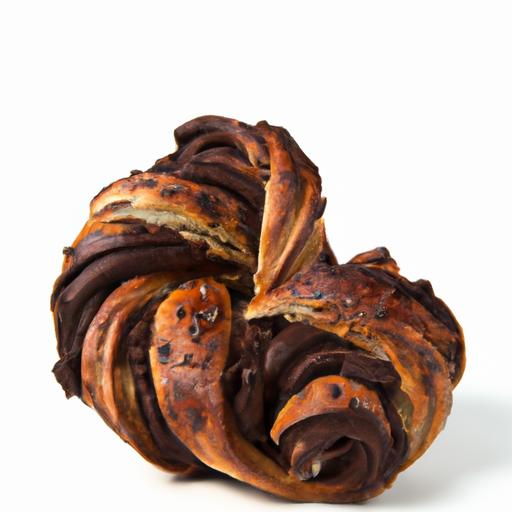

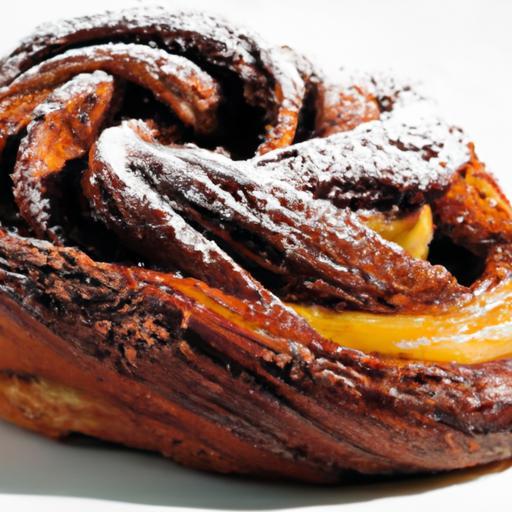
In the world of patisserie, few confections embody both elegance and whimsy quite like the Danish Torsade au Chocolat. With its graceful twists of buttery pastry and ribbons of rich chocolate, this delightful treat captures hearts at first glance-and indulgence with every bite. But behind its deceptively simple appearance lies a centuries-old artistry, where precise technique meets creative flair to transform humble ingredients into an irresistible treasure.Join us as we unravel the story and craft of the Danish Torsade au Chocolat, exploring how tradition, texture, and taste intertwine in this twisted masterpiece of chocolate and dough.
Twist and Delight in the world of Danish baking, where the art of crafting the iconic Torsade au chocolat has charmed pastry lovers for centuries. This elegant twist on pastry dough, with its delicate layers and decadent chocolate allure, traces back to Denmark’s rich culinary heritage-where simple ingredients marry exquisite technique to transform humble dough into a flaky, buttery masterpiece. The journey of the torsade reflects both tradition and innovation, symbolizing the cultural love for refined sweets and the rituals of enjoying coffee and conversation with a perfectly-crafted treat.
Prep and Cook Time
- Readiness Time: 30 minutes (plus 2 hours for chilling and rising)
- Cooking Time: 18-22 minutes
Yield
Approximately 12 torsades, ideal for sharing at brunch or special gatherings.
Difficulty Level
Medium: Requires patience with dough handling and precise folding to master the demanding layers.
Ingredients
- 2 ¼ tsp (1 packet) active dry yeast
- 1 cup warm whole milk (about 110°F)
- ½ cup granulated sugar
- 4 cups all-purpose flour, sifted
- 1 tsp fine salt
- 1 cup unsalted butter, cold and cubed (preferably European style for richer flavor)
- 2 large eggs
- 1 tsp vanilla extract
- 3/4 cup high-quality bittersweet chocolate chips or finely chopped chocolate (60-70% cocoa)
- 1 egg yolk (for egg wash)
- 1 tbsp whole milk (for egg wash)
Instructions
- Activate the yeast: in a large bowl, combine warm milk, yeast, and 1 tablespoon of sugar. Stir gently and let stand for 5-10 minutes until foamy and bubbling.
- Mix dry ingredients: In a separate bowl, whisk together the flour, remaining sugar, and salt. Gradually add to the yeast mixture, stirring until a rough dough forms.
- knead the dough: Turn the dough onto a floured surface and knead for 8-10 minutes until smooth and elastic. Form into a ball, cover with a damp cloth, and let it rise in a warm place for 1 hour or until doubled in size.
- Prepare the butter block: On a piece of parchment, shape the cold butter into a flat rectangle (about 8×6 inches). Chill in the refrigerator until firm but pliable.
- Incorporate butter with dough: Roll the dough into a large rectangle, place the butter block in the center, and carefully fold the dough over the butter, sealing the edges. This envelops the butter, preparing for laminating.
- Laminate for flaky layers: Roll the dough into a long rectangle (about 20×10 inches). Fold it into thirds (like a letter). Chill in the fridge for 30 minutes. Repeat the rolling and folding process two more times, chilling between folds. This layering is key to flaky crust and rich texture.
- Shape the torsades: Roll the laminated dough out to about ¼-inch thickness. Cut into 12 strips (about 1 inch wide, 12 inches long). Place chocolate strips or a sprinkle of chopped chocolate along the center of each strip. Carefully twist each strip from end to end to create the signature torsade shape, then place on a parchment-lined baking sheet.
- Final rise: Cover the twisted dough with a clean towel and let rise for an additional 30-45 minutes until slightly puffed.
- Apply egg wash: Whisk together egg yolk and milk. Gently brush each torsade to ensure a glossy and golden finish.
- Bake: Preheat oven to 375°F (190°C). Bake the torsades for 18-22 minutes until golden brown and puffed. Allow cooling slightly before serving.
Tips for Success
- Butter temperature matters: Too soft butter will seep into the dough; too hard will break the layers. Aim for firm yet pliable.
- Chill between folds: This resting time helps the gluten relax and keeps butter cold to create crisp, flaky layers.
- Choosing chocolate: Opt for bittersweet chocolate with 60-70% cocoa content, balancing sweetness and depth. You can use chocolate chunks, chips, or even a chocolate spread for a richer bite.
- Make-ahead tip: Torsades can be shaped and chilled overnight, baking fresh the next day for ultimate convenience without losing freshness.
- Egg wash alternatives: For a shiny but egg-free finish, try brushing with warm honey or maple syrup after baking.
Serving Suggestions
Serve these golden twists warm alongside a cup of freshly brewed coffee or robust tea. Garnish with a light dusting of powdered sugar or a drizzle of melted chocolate for elegance. For a festive touch, scatter toasted almond slices or a few fresh raspberries beside the torsades on a rustic wooden board. They also pair wonderfully with a scoop of vanilla bean ice cream for a decadent dessert twist.
| Nutritional Info (per torsade) | Amount |
|---|---|
| Calories | 280 |
| Protein | 5 g |
| Carbohydrates | 32 g |
| Fat | 14 g |

For more inspiration on laminated pastries, visit our Complete Danish pastry Guide. To understand the science of yeast in pastries, explore King Arthur Baking’s Yeast Guide.
Q&A
Q&A: Twist and Delight – The Art of Danish Torsade au Chocolat
Q: What exactly is a Danish Torsade au Chocolat?
A: A Danish Torsade au Chocolat is a beautifully twisted pastry that marries the buttery, flaky texture of classic Danish dough with the deep, luscious richness of chocolate. Its name, “torsade,” which means “twist” in French, captures the essence of this delightful treat – intricately braided layers that promise both visual charm and a burst of flavor in every bite.
Q: Where did the inspiration for Torsade au Chocolat come from?
A: The Torsade au Chocolat is a brilliant fusion. It draws inspiration from Danish pastry traditions – renowned for their laminated dough and delicate layers – and the worldwide love for chocolate. This combination creates a pastry that is both elegant and inviting,perfect for those who adore artistry in their baked goods.
Q: What kind of dough is used in a classic Torsade au Chocolat?
A: The foundation is a laminated yeast dough, similar to what you’d find in croissants or conventional Danish pastries.This dough is produced by layering butter and dough multiple times, then folding and rolling it out to create paper-thin layers that puff up when baked, delivering that signature lightness and flakiness.
Q: What type of chocolate is best suited for the Torsade au Chocolat?
A: dark chocolate with a rich cocoa content works beautifully, providing a slightly bitter counterpoint to the sweetness of the dough. However, milk chocolate can lend a creamier, smoother flavor that’s equally delightful. The key is to use high-quality chocolate that melts well and complements the tender pastry layers.
Q: How is the twisting technique executed, and why is it important?
A: The twisting is both art and science. After layering the dough with a generous spread of chocolate, it’s sliced into strips. Each strip is then twisted gently,showcasing the beautiful contrast between the dough and the filling while allowing steam to escape during baking. This twist not onyl creates an alluring spiral design but also ensures a texture that’s crispy on the outside and tender inside.
Q: Can Torsade au Chocolat be made with fillings other than chocolate?
A: Absolutely! While chocolate is the star, variations might include almond paste, cinnamon sugar, or fruit preserves. These alternatives maintain the essence of the torsade technique – the twist - while offering exciting flavor profiles. The artistry lies in balancing the filling’s moisture and sweetness to complement the buttery layers.
Q: What occasions are perfect for serving Torsade au Chocolat?
A: Torsades are endlessly versatile – perfect for elevating a simple breakfast, adding flair to a brunch spread, or serving as an indulgent companion to afternoon tea or coffee.Their elegant appearance also makes them a charming treat for celebrations, gifting, or anytime you want to impress with a handmade pastry masterpiece.
Q: Do you have any tips for baking the perfect Torsade au Chocolat at home?
A: Patience and precision are your best friends. Keep your dough and butter chilled, handle the dough gently to preserve layers, and avoid over-twisting so the structure remains intact. Bake until golden and puffed,but keep a close eye to prevent burning the chocolate. a light dusting of powdered sugar or a drizzle of melted chocolate adds that final flourish.
Q: How does the Torsade au Chocolat reflect broader trends in contemporary pastry art?
A: This pastry exemplifies the modern baker’s quest for craftsmanship merged with indulgence. It celebrates texture, visual appeal, and complex flavor layers – qualities highly prized in today’s artisanal baking. The torsade twist itself showcases how simple shapes can transform a humble dough into a striking, memorable culinary experience.
Q: Can you suggest how to enjoy Torsade au Chocolat beyond just eating it plain?
A: Certainly! Pairing the torsade with a dollop of fresh cream, a scoop of vanilla bean ice cream, or a sprinkle of crushed nuts adds another sensory dimension. It can also be warmed slightly to enhance the chocolate’s meltiness or even sliced and incorporated into a decadent bread pudding or dessert tray.
Crafting a Danish Torsade au Chocolat is a joyful journey in celebrating texture, flavor, and the artistic twist that elevates pastry crafting into an edible delight. Whether you’re an enthusiastic home baker or a curious foodie, the torsade invites you to savor the magical intersection of tradition and creativity.
Future Outlook
As we close the book on the delicate twists of the Danish Torsade au Chocolat, it’s clear that this pastry is more than just a treat-it’s a sublime dance of texture and flavor, woven with centuries of craftsmanship. Each flaky layer, each ribbon of luscious chocolate, tells a story of tradition meeting innovation, inviting both the curious and the connoisseur to indulge in a moment of pure delight. So next time you unwrap a torsade, take a moment to appreciate the art behind the twist-a small masterpiece that transforms simple ingredients into an unforgettable experience. After all, in the world of pastries, it’s the subtle turns that make all the difference.