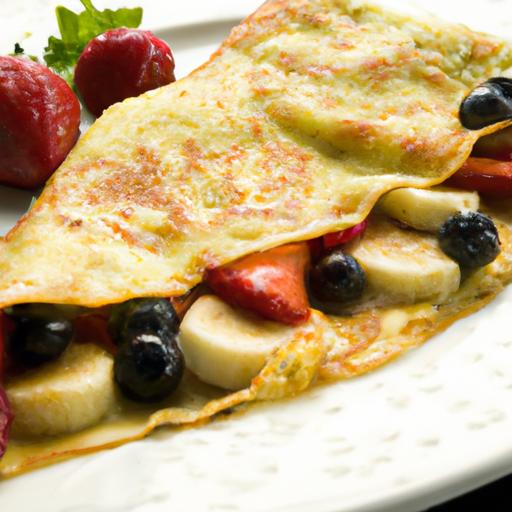



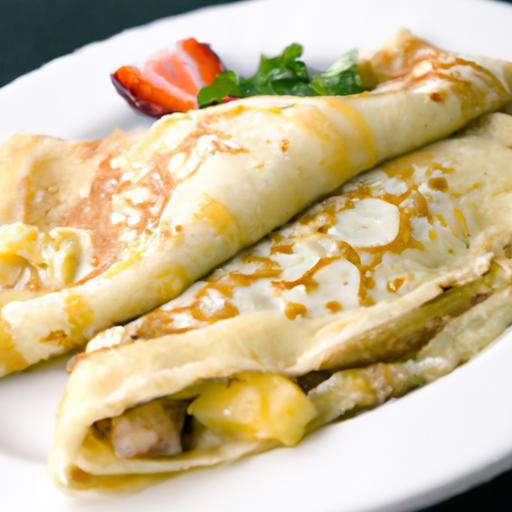
In teh world of culinary delights, few treats embody the perfect harmony of texture and taste quite like delicate light crepes. Thes thin, whispery pancakes glide effortlessly from skillet to plate, offering a canvas as versatile as it is indeed inviting. Each bite reveals a tender fluffiness that dances alongside subtle hints of sweetness,making crepes a beloved staple in kitchens around the globe. Join us as we unravel the art behind crafting these ethereal delights-a whisk of flavor and fluffiness that transforms simple ingredients into an elegant masterpiece.Whether savored with a drizzle of honey or a sprinkle of powdered sugar, delicate light crepes promise a culinary experience thatS both comforting and captivating.
The Art of Crafting the Perfect Crepe Batter
Delicate light crepes are a culinary canvas waiting for your creativity, but every masterpiece begins with mastering the batter. Originating from the charming regions of Brittany in France, these slender, tender pancakes have transcended borders to become a beloved global delight. What sets the perfect crepe apart is its ethereal thinness paired with a softness that almost melts on your tongue. Crafting this requires attention to detail, respect for technique, and a touch of flair-all of which you’ll discover here.
Prep and Cook Time
- Preparation: 10 minutes
- Resting Time: 30 minutes (essential for tenderness)
- Cooking: 2-3 minutes per crepe
- Total Time: Approximately 45 minutes
Yield
This recipe yields about 12 delicate light crepes, perfect for serving 4 people with generous portions.
Difficulty Level
Easy to Medium – suitable for home cooks eager to elevate their skills with some simple techniques.
Ingredients
- 1 cup all-purpose flour, sifted for smoothness
- 2 large eggs, at room temperature
- 1 1/4 cups whole milk, gently warmed
- 2 tablespoons unsalted butter, melted plus extra for the pan
- 1 tablespoon granulated sugar (optional for sweet crepes)
- 1/4 teaspoon fine sea salt
- 1 teaspoon pure vanilla extract (for sweet crepes) or 1/2 teaspoon finely grated lemon zest for a fresh twist
instructions
- Combine the Dry Ingredients: In a large mixing bowl, whisk together the sifted flour, sugar (if using), and sea salt untill evenly dispersed.
- mix the Wet Ingredients: In a separate bowl,beat the eggs lightly. Gradually add warmed milk and melted butter, whisking gently to combine. Stir in vanilla extract or lemon zest depending on your flavor preference.
- Create the Batter: slowly pour the wet mixture into the dry ingredients while whisking continuously to avoid lumps. Aim for a smooth, pourable batter with the consistency of heavy cream.
- Rest the Batter: Cover the bowl with plastic wrap and refrigerate for at least 30 minutes. This crucial step allows the gluten to relax and the flour to fully hydrate,resulting in tender crepes.
- preheat the Pan: Heat a non-stick crepe pan or skillet over medium heat.Lightly brush with melted butter to create a non-stick surface.
- Cook the Crepes: Pour roughly 1/4 cup of batter into the center of the pan, immediately swirling to coat the surface with a thin, even layer. Cook for about 1-2 minutes until the edges lift and the underside turns golden brown.
- Flip with Confidence: Using a spatula, flip the crepe carefully and cook for another 30 seconds to 1 minute. The result should be delightfully thin and tender with slight browning.
- Stack and Serve: Transfer cooked crepes to a warm plate, stacking them gently to keep soft. Repeat with remaining batter, brushing the pan with butter as needed.
Tips for Success
- Chilling the Batter: Don’t skip resting your batter. this rest enhances texture and ensures flawless crepes.
- Adjusting Consistency: If the batter feels too thick, whisk in a tablespoon of milk at a time until it flows like a ribbon.
- Pan selection: A quality non-stick crepe pan guarantees an even cook and easy flipping.
- Temperature Control: Medium heat prevents burning while cooking through the delicate batter.
- Flavor Variations: substitute vanilla with a teaspoon of orange blossom water or almond extract to elevate taste nuances.
- Make-Ahead: Batters can be refrigerated up to 24 hours; just whisk gently before cooking.
- Gluten-Free Options: Replace all-purpose flour with an equal measure of buckwheat flour for a traditional Breton twist.
Creative Serving Suggestions to Elevate Your Crepe experience
Delicate light crepes hold endless possibilities, inviting both sweet and savory interpretations.
Sweet Inspirations
- Drizzle with golden honey and a sprinkle of toasted almonds for subtle crunch and floral sweetness.
- Layer with fresh berries, a dollop of mascarpone cream, and a dusting of powdered sugar to create a visually stunning plate.
- Spread with natural hazelnut spread and slice ripe bananas for a decadent indulgence.
- Infuse the batter with a hint of cinnamon and fill with stewed apples sautéed with a touch of maple syrup and nutmeg.
Savory Delights
- Fill with sautéed mushrooms, fresh spinach, and a sprinkle of grated aged cheddar or goat cheese for an elegant brunch option.
- try a classic combo of smoked salmon,cream cheese,capers,and fresh dill folded inside.
- Whip up a speedy ratatouille of zucchini, bell peppers, and tomato for a vegetable-forward filling.
- Add a sprinkle of finely chopped fresh herbs-chives, parsley, or tarragon-to the batter for an herby, aromatic edge.
Nutritional Data
| Per Crepe | Calories | Protein | carbs | Fat |
|---|---|---|---|---|
| 1 delicate light crepe | 110 kcal | 4 g | 14 g | 4 g |

For more inspiration and variations on delicate light crepes, check out our Classic French Crepes guide, where tradition meets innovation.
Q&A
Q&A: Delicate Light Crepes: A Whisk of Flavor and Fluffiness
Q1: What makes crepes “delicate” and “light” compared to other pancakes?
A: The magic lies in the batter’s balance and technique. Delicate crepes use a thinner batter with a higher ratio of liquid to flour, often enriched with eggs and a touch of melted butter or oil. This creates a silky, flowing mixture that spreads evenly in a hot pan. Unlike traditional pancakes, they cook quickly to a lacy, translucent thinness, resulting in a light, tender texture that practically melts on your tongue.
Q2: How critically important is the whisking technique in achieving perfect crepes?
A: Whisking is the heart of crepe-making-it’s where flavor and fluffiness begin. A vigorous yet gentle whisking incorporates air into the batter, ensuring it’s smooth and lump-free. This aeration helps create a subtle foam that leads to a lighter texture once cooked. Overmixing can develop gluten and cause toughness, so whisk just enough to blend ingredients until silky smooth.
Q3: What ingredients contribute most to the flavor profile of delicate crepes?
A: Pure simplicity shines here. Fresh eggs bring a rich creaminess, while whole milk or plant-based alternatives add smooth body. A pinch of fine sea salt enhances natural sweetness, and a splash of pure vanilla extract or a hint of citrus zest can elevate subtle notes without overpowering the delicateness. melted unsalted butter folded into the batter also imparts a gentle nutty richness that lingers.
Q4: Can delicate crepes be made ahead of time, or is fresh batter always best?
A: Both approaches work beautifully! Fresh batter guarantees the lightest texture and most tender crepes. However, resting the batter for 30 minutes to an hour in the fridge allows the flour to fully hydrate and flavors to meld, often improving the final texture. If storing longer, gently stir the batter before use to re-incorporate any settled ingredients.
Q5: What are some savory and sweet fillings that complement the lightness of delicate crepes?
A: Because the crepe is a subtle canvas, it pairs well with both luminous and creamy fillings. Savory options like sautéed mushrooms with garlic and herbs, fresh spinach and ricotta, or a colorful medley of roasted vegetables bring earthiness without heaviness. For sweet, think fresh berries tossed in a touch of honey, whipped cream with a dusting of cinnamon, or a spread of nut butters combined with sliced bananas. The key is to keep fillings flavorful yet light, preserving the crepe’s airy essence.
Q6: What common mistakes should be avoided when making delicate crepes?
A: Avoid batter that’s too thick, creating dense, chewy results.Ensure your pan is properly heated-not too hot to burn the crepes instantly, nor too cool to cause sticking and sogginess. Resist the urge to overflip; gentle handling keeps the crepes intact and smooth.Lastly,avoid overmixing the batter; a few small lumps often dissolve during cooking and won’t affect texture.
Q7: How can I make gluten-free delicate crepes without sacrificing their signature lightness?
A: Gluten-free crepes are a delightful challenge! Using rice flour or a fine blend of gluten-free flours with tapioca starch helps mimic the smooth,elastic texture of wheat crepes. Adding a little xanthan gum can provide extra binding. Additionally, letting the batter rest a bit before cooking is crucial for hydration and tenderness. Focus on keeping the batter thin and whisked well to preserve that unmistakable lightness.
Q8: Beyond breakfast, what creative ways can delicate crepes be enjoyed?
A: Crepes are versatile day-to-night stars! for brunch, fold them around a colorful vegetable ragout or herbed cheese. For a light dinner, fill with grilled seasonal vegetables and a drizzle of tahini sauce. Dessert crepes shine wrapped around lemon curd or spiced apple compote, sprinkled with nuts or a dusting of powdered sugar. They also make elegant, bite-sized appetizers-rolled with smoked salmon and dill, or layered with avocado and cucumber slices.
Q9: What role does temperature control play in crafting the perfect delicate crepes?
A: Temperature is everything! A moderately hot, well-seasoned pan ensures the batter spreads thin and sets quickly without sticking. If the pan is too hot,the edges crisp up too fast,breaking that tender fold; too cool,and crepes become rubbery. Maintaining consistent heat lets you achieve that golden lace edge and soft center, hallmark to delicate crepes.
Q10: How can I impress guests with delicate crepes without spending all day in the kitchen?
A: Preparation and presentation are your best friends. Whisk your batter ahead and chill it. Cook crepes in batches, stacking with parchment paper so they don’t stick. Prepare vibrant fillings-think fresh fruit chutneys, herb-infused cheeses, or quick sautéed veggies-in advance. serve buffet-style so guests can build their own crepes, turning breakfast or brunch into an interactive and irresistible experience.
Embrace the art of delicate light crepes, where every whisk stirs a little magic into a world of flavor and fluffiness!
In Summary
As the last bite of your delicate light crepe melts softly on the tongue, your reminded that the beauty of this humble dish lies in its perfect balance of flavor and fluffiness. these crepes, with their whisper-thin layers and subtle sweetness, invite endless creativity-from classic lemon and sugar to vibrant berry compotes or savory fillings. Beyond a simple breakfast treat, they embody a culinary art that celebrates technique, patience, and the joyous alchemy of ingredients. Whether you’re a seasoned cook or a curious beginner, mastering the delicate light crepe is a flavorful journey worth whisking away on-one that promises both satisfaction and the delight of revelation in every fold.