
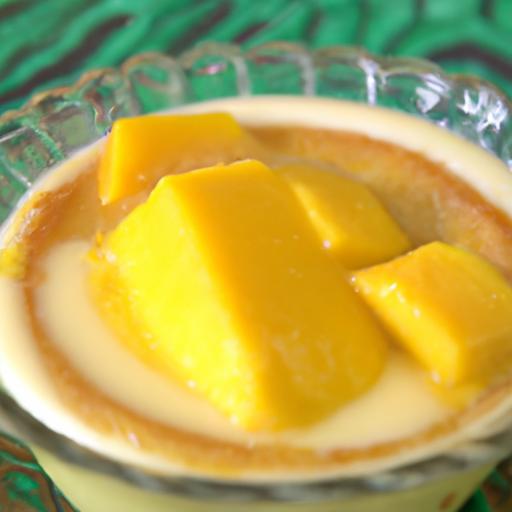
There’s something irresistibly luscious about mango pudding-a velvety dessert that captures the sunny sweetness of ripe mangoes in every spoonful.But what if you could enjoy this creamy delight without the usual long wait or complicated steps? Enter the pressure cooker: an unexpected hero in the kitchen that transforms the process from lengthy to lightning-fast. In this article, we’ll unlock the secret to making swift and creamy mango pudding using your pressure cooker, blending convenience with decadent flavor to satisfy your sweet tooth in no time. Get ready to discover a simple, foolproof recipe that’s as delightful to make as it is indeed to eat.
Understanding the Science Behind Perfectly Creamy Mango Pudding
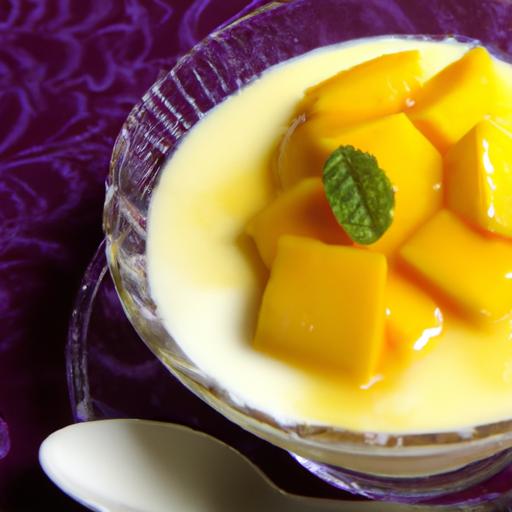
Quick & Creamy: Make Mango Pudding in a Pressure Cooker delivers a luscious dessert that brilliantly balances silkiness with shining tropical flavor. The secret to this indulgent treat lies in the science of emulsification and gentle heat under pressure, which allows the starches and dairy to meld seamlessly with ripe mango purees. The natural pectin in mangoes,combined with a subtle thickening agent,creates that signature velvety texture you crave,while the pressure cooker’s controlled environment preserves fresh flavors and reduces cooking time dramatically.
Choosing the Ideal Mangoes and Ingredients for Rich Flavor
Selecting the perfect mangoes is crucial to this recipe’s success. Opt for ripe Alphonso or Ataulfo mangoes,famed for their intense sweetness,buttery texture,and vibrant golden flesh-key to an irresistibly fragrant pudding. Avoid underripe or fibrous varieties to keep the pudding smooth and luxuriously creamy.
Other star ingredients include full-fat milk or cream to enrich the mouthfeel, and a mild thickener like cornstarch or agar agar that sets the pudding without gumminess. use just enough natural sweetener-like granulated sugar or a touch of honey-to complement, not overpower, the mango’s natural sugars.A dash of vanilla extract enhances depth, and a pinch of salt balances the sweetness perfectly.
Prep and Cook Time
- Planning Time: 15 minutes
- Cook Time: 20 minutes (pressure cooking and settling)
- Total Time: 35 minutes
Yield
Serves 6-8 elegantly portioned servings.
Difficulty level
Easy – Perfect for beginner cooks eager to master silky desserts quickly.
Ingredients
- 3 large ripe Alphonso or Ataulfo mangoes, peeled and chopped (about 2 cups mango puree)
- 1 1/2 cups full-fat milk
- 1/2 cup heavy cream
- 1/3 cup granulated sugar (adjust to taste)
- 3 tablespoons cornstarch
- 1 teaspoon vanilla extract
- Pinch of fine sea salt
- Fresh mint leaves and thin mango slices for garnish (optional)
Step by Step Guide to Making Mango Pudding in a Pressure Cooker
- Prepare the mango puree: Using a blender or food processor, blend the peeled and chopped mangoes into a smooth puree. Set aside.
- Mix dry ingredients: In a small bowl, whisk the cornstarch with 1/4 cup of the milk until completely smooth and free of lumps. This slurry will prevent clumps during cooking.
- Combine liquids: In the pressure cooker’s inner pot, pour the remaining milk, heavy cream, sugar, and salt. Stir gently until sugar dissolves.
- Incorporate cornstarch slurry: Slowly whisk the cornstarch mixture into the milk and cream blend to ensure an even texture.
- Pressure cook: Seal the lid and set the pressure cooker to “Low Pressure” or “Porridge” mode. Cook for 10 minutes to allow the mixture to thicken gradually without curdling.
- Release pressure naturally: Let the pressure release on its own for about 10 minutes; this gentle cooling helps the pudding set evenly.
- Add mango puree and vanilla: Open the lid and quickly whisk in the fresh mango puree and vanilla extract. Stir until fully combined for that unmistakable fruity brightness.
- Chill to set: Pour the pudding into serving dishes and refrigerate for at least 2 hours until completely chilled and firm.
Tips and Tricks for Achieving Smooth Texture and Sweetness Balance
- Use ripe mangoes: Overripe mangoes offer more sugar but can be mushy; underripe fruit makes the pudding tart and fibrous. Aim for mangoes with a strong, fruity aroma and golden color.
- Cornstarch slurry is key: Always dissolve cornstarch in cold milk first to avoid lumps during cooking. Stir continuously when blending in the puree.
- Control your heat and pressure: Low pressure settings prevent the dairy from curdling,ensuring that smooth,creamy texture.
- Adjust sweetness gradually: Mangoes vary in natural sugar. start with less sugar and taste before pressure cooking-add if needed.
- Chill thoroughly: Mango pudding needs sufficient chilling to firm up perfectly; avoid rushing this step.
Chef’s Notes
For a dairy-free alternative, substitute coconut milk and cream, but ensure the pressure cooker settings accommodate the slightly different thickening behavior. You can also enhance flavor depth by adding a squeeze of fresh lime juice or a pinch of cardamom ground spice, gently folded in during the final mixing phase. Any leftovers keep well refrigerated up to 3 days but enjoy fresh for optimal texture.
Serving Suggestions
Serve your mango pudding chilled in stylish ramekins or glass cups.Garnish with fresh mint leaves,a delicate fan of thin mango slices,or a sprinkle of toasted coconut flakes for visual contrast and added texture. Pair this luscious dessert with a light green tea or a sparkling citrus mocktail for a refreshing finale to any meal.

| Nutrition per Serving | Amount |
|---|---|
| calories | 180 kcal |
| Protein | 3 g |
| Carbohydrates | 32 g |
| Fat | 5 g |
For more tropical dessert inspiration, be sure to check out our collection of Mango Dessert Recipes. For detailed mango chemistry and nutritional insights, visit USDA Mango Research.
Q&A
Q&A: Quick & Creamy Mango Pudding Made Effortlessly in a Pressure Cooker
Q1: Can I really make mango pudding in a pressure cooker?
A1: Absolutely! The pressure cooker is a game-changer for mango pudding. It speeds up the cooking process while maintaining a wonderfully creamy texture. No need to stand over a stove all day-just mix, pressure cook, and chill!
Q2: What ingredients do I need for this quick mango pudding?
A2: The basics include ripe mangoes, milk or cream, sugar, gelatin (or agar-agar for a vegetarian option), and a touch of vanilla extract. The pressure cooker helps blend these into a luscious, silky dessert in no time.
Q3: How ripe should the mangoes be?
A3: The riper, the better! Soft, fragrant mangoes yield the sweetest and most flavorful pudding. If your mangoes aren’t quite ripe, try ripening them in a paper bag at room temperature for a day or two.
Q4: Can I use frozen mangoes rather of fresh ones?
A4: Yes! Frozen mangoes work well and are a convenient alternative when fresh ones aren’t in season. Just thaw them beforehand and drain any excess liquid to keep the pudding from becoming too watery.
Q5: How dose the pressure cooker change the pudding-making process?
A5: Customary mango pudding recipes often require gentle simmering or baking. Using a pressure cooker creates a controlled, sealed environment that cooks the pudding faster and locks in moisture, resulting in a silky, smooth consistency.
Q6: Is it possible to make a dairy-free version?
A6: Definitely! Swap regular milk or cream with coconut milk, almond milk, or any plant-based milk you prefer. These alternatives still provide creaminess and complement the tropical mango flavor beautifully.
Q7: How long should I cook the pudding under pressure?
A7: Typically, about 8 to 10 minutes on high pressure is perfect. The gelatin sets quickly with the heat, and the pressure helps all flavors marry deliciously.
Q8: What’s the best way to serve mango pudding?
A8: Serve chilled for maximum refreshment! Garnish with fresh mango slices, mint leaves, or a sprinkle of toasted coconut flakes to add a touch of elegance and texture.
Q9: Can I prepare the pudding ahead of time?
A9: Yes! Mango pudding actually tastes better after resting in the fridge for a few hours or overnight, allowing the flavors to deepen and the texture to firm up perfectly.
Q10: Any tips for making the pudding extra creamy?
A10: For extra lusciousness, use full-fat coconut milk or cream and don’t skimp on ripened mangoes. Also, blending the mangoes very well before cooking helps achieve that velvety smoothness.
Q11: Can I add other fruits or flavors to this pudding?
A11: Feel free to experiment! A splash of lime juice can brighten the sweetness, or swirling in passion fruit puree adds a tropical punch.Just avoid adding watery fruits that might affect the pudding’s set.
Q12: What if I don’t have gelatin-can I use something else?
A12: Agar-agar is a great vegetarian-pleasant alternative; just follow the instructions on the package as it sets differently than gelatin. cornstarch can also be used but may yield a slightly different texture.
Ready to whip up a dreamy mango pudding? Your pressure cooker holds the secret to a creamy, quick dessert that’s both tropical and tantalizing!
in summary
With just a handful of simple ingredients and the magic of your pressure cooker, you’ve unlocked the secret to crafting a luscious mango pudding that’s both quick and irresistibly creamy. This dessert proves that convenience doesn’t have to come at the cost of flavor or texture. So next time you crave a tropical treat, remember – a velvety bowl of mango pudding is just a pressure cooker cycle away, ready to transport your taste buds to sunny, sweet paradise in minutes. Happy cooking,and even happier indulging!