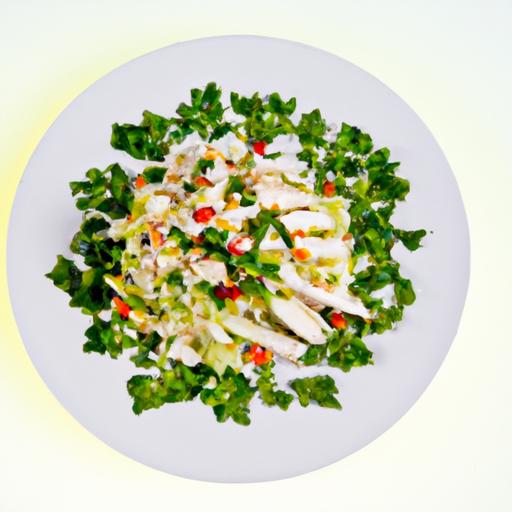


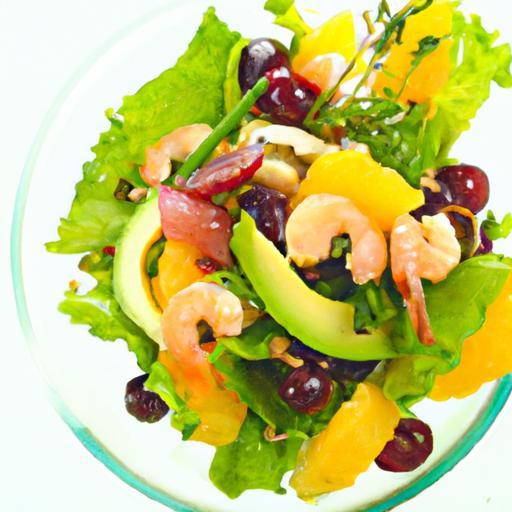
There’s somthing undeniably inviting about a warm salad-a harmonious blend of fresh ingredients kissed by heat, creating a symphony of flavors and textures that awakens the palate. Moving beyond the traditional cold greens, warm salads offer endless creative possibilities to elevate your meals, combining the comfort of cooked elements with the brightness of raw produce. Whether you’re seeking a light lunch, a hearty side, or a vibrant centerpiece for your dinner table, these inventive recipes promise to add warmth, color, and a delightful twist to your everyday salads. Join us as we explore the art of warm salads and discover dishes that will transform your table into a party of flavor and nourishment.
Key Ingredients That Elevate Warm Salad Creations
Warm Salad Wonders bring a delightful twist to the classic notion of salads by blending heat, texture, and vibrant flavors into every bite. At the heart of these creations are ingredients that ignite both the palate and the creativity. Think of crisp greens like baby spinach or arugula, kissed briefly by warm, earthy roasted vegetables such as beets, sweet potatoes, or Brussels sprouts. The magic also lies in the protein-pan-seared chicken, succulent shrimp, or hearty legumes-that lend warmth and depth.
Key components include toasted nuts like walnuts or pecans, which provide crunch and a hint of smokiness, and artisan cheeses such as crumbled feta or creamy goat cheese, melting gently atop the still-warm base.Fresh herbs like parsley or basil offer bursts of brightness, while dressings made with citrus, mustard, or honey balance the dish with tang and sweetness. These ingredients don’t just nourish but also visually enchant, creating vibrant plates that invite you to dive right in.
Prep and Cook Time
- Planning: 20 minutes
- Cooking: 25 minutes
- Total Time: 45 minutes
Yield
- serves 4 generous portions
difficulty level
- Medium – Suitable for adventurous home cooks with basic sautéing skills
Ingredients
- 6 cups baby spinach leaves, washed and dried
- 2 medium sweet potatoes, peeled and diced into 1-inch cubes
- 1 cup cherry tomatoes, halved
- 1/2 cup walnuts, roughly chopped and toasted
- 1/2 cup crumbled goat cheese
- 1 small red onion, thinly sliced
- 2 tbsp olive oil, divided
- 1 tbsp balsamic vinegar
- 1 tbsp honey
- 1 tsp Dijon mustard
- 1 garlic clove, minced
- Salt and freshly ground black pepper, to taste
- fresh parsley, chopped for garnish
Step by Step Guide to Crafting perfectly Balanced Warm Salads
- Roast the Sweet Potatoes: Preheat your oven to 400°F (200°C). Toss the diced sweet potatoes in 1 tablespoon of olive oil, seasoning generously with salt and black pepper.Spread them on a baking sheet and roast for 20 minutes or until tender and caramelized, turning once midway.
- Sauté the Onions and Tomatoes: While the sweet potatoes cook,heat the remaining 1 tablespoon olive oil in a large skillet over medium heat. Add the sliced onions and sauté for 5 minutes until translucent and fragrant. Add halved cherry tomatoes and sauté for another 3 minutes until they soften but retain shape.
- Prepare the Dressing: In a small bowl, whisk together balsamic vinegar, honey, Dijon mustard, minced garlic, and a pinch of salt and pepper. Set aside to let flavors meld.
- Warm the Greens: Add the baby spinach to the skillet, tossing gently with onions and tomatoes for 1-2 minutes until just wilted but still vibrant. Remove from heat promptly to avoid sogginess.
- Assemble the Salad: In a large serving bowl, combine roasted sweet potatoes with the warm greens mixture. Drizzle with the prepared dressing, tossing gently to coat every ingredient evenly.
- Garnish and Serve: Sprinkle crumbled goat cheese and toasted walnuts on top. Finish with chopped fresh parsley for a splash of color and fresh aroma.
Chef’s Notes & Tips for Success
- Substitutions: Swap sweet potatoes for roasted butternut squash or roasted beets to vary colors and textures.
- Add Protein: For a heartier dish, add grilled chicken breast, sautéed shrimp, or roasted chickpeas.
- Make Ahead: Roast the vegetables and prepare the dressing up to a day in advance. Combine and heat gently just before serving.
- Prevent Sogginess: Ensure greens are dry before adding to the pan, and warm them just until wilted to maintain freshness.
- Toasting Nuts: Toast walnuts in a dry pan over medium heat for 3-4 minutes until fragrant, shaking the pan regularly to prevent burning.
Pairing Suggestions and Serving Tips for Memorable Meals
Serve your warm salad as a sophisticated side alongside roasted chicken or grilled fish, where its vibrant warmth and balance enhance every bite. For a lighter meal, plate the salad with rustic slices of whole-grain bread or a crusty baguette rubbed with garlic and drizzled with olive oil.
To elevate presentation,serve the salad in shallow bowls,sprinkling fresh herbs generously and adding microgreens or edible flowers for a whimsical touch. A final drizzle of high-quality extra virgin olive oil or a few drops of aged balsamic adds shine and depth just before serving.
| Nutritional Information (per serving) | Amount |
|---|---|
| Calories | 320 |
| Protein | 7g |
| Carbohydrates | 35g |
| Fat | 16g |

For more inspiration on fresh salad ideas,check out our seasonal salad recipes,or explore Epicurious’ expert guide on warming up your greens without sacrificing texture and flavor.
Q&A
Q&A: Warm Salad Wonders - Creative Recipes to Delight Your Table
Q1: What makes a salad “warm” and how is it different from traditional salads?
A: Warm salads combine the refreshing crunch of fresh greens and raw vegetables with the comforting heat of cooked ingredients. Unlike traditional cold salads, warm salads offer a harmonious contrast of textures and temperatures – imagine sautéed mushrooms, roasted root veggies, or grilled chicken atop a bed of fresh arugula. This interplay creates layers of flavor and a satisfying balance that elevates every bite.
Q2: Which ingredients work best in warm salads to create vibrant and comforting dishes?
A: The magic lies in pairing fresh elements with gently cooked components. Think tender roasted beets, caramelized onions, or lightly steamed asparagus alongside crisp radishes or peppery watercress. Adding nuts like toasted walnuts or seeds provides crunch, while creamy cheese such as goat cheese or feta contributes tangy richness. Warm grains, like quinoa or farro, also add heartiness and texture.
Q3: Can warm salads be suitable for a swift and healthy weeknight meal?
A: Absolutely! Warm salads are actually perfect for quick meals as many ingredients cook rapidly or can be prepped ahead of time. Toss leafy greens with roasted vegetables straight from the oven or sauté shrimp in minutes for a protein boost.Dress everything lightly with a flavorful vinaigrette, and you have a nutrient-packed, colorful dinner on the table in under 30 minutes.
Q4: How can I create a balanced warm salad with protein and vegetables?
A: Start by choosing your protein – options like grilled chicken breast, seared tofu, or roasted chickpeas work beautifully. Next, select a variety of vegetables that contrast in texture and flavor; for example, sweet roasted carrots with crunchy snap peas. Finish by adding a grain if you like, some fresh herbs, and a zesty dressing with acidity to tie it all together.
Q5: What tips can definitely help avoid sogginess in warm salads?
A: To keep your salad crisp, serve the warm components directly onto the fresh greens rather than tossing everything together when hot. Drain or pat dry cooked vegetables to reduce moisture, and add delicate ingredients like nuts and cheese just before serving. dress the salad lightly and consider using dressings with less oil to maintain freshness.
Q6: Are warm salads appropriate for all seasons?
A: Warm salads are incredibly versatile and can shine year-round. In cooler months, think roasted squash and sautéed kale for cozy, hearty bowls. During spring and summer, incorporate grilled zucchini, warm cherry tomatoes, or fresh peas for freshness with a hint of warmth. Their adaptable nature means you can always celebrate seasonal produce while enjoying comforting textures.Q7: How can I enhance flavor in warm salads without overpowering delicate greens?
A: Layer your flavors thoughtfully by seasoning cooked ingredients with herbs, spices, or a touch of citrus. Use aromatic additions like garlic or ginger when sautéing, and finish with fresh herbs like basil or mint to brighten the dish. A splash of acid-whether lemon juice or a mild vinegar-helps balance richness without overwhelming the leafy base.
Q8: Can warm salads accommodate different dietary preferences?
A: Warm salads are wonderfully adaptable to most diets – vegan, vegetarian, gluten-free, and more. Simply swap proteins and grains accordingly: lentils or tempeh for plant-based options, quinoa or wild rice for gluten-free grains, and ample veggies to support nutrient diversity. Their flexible nature makes them an excellent choice for diners with varied tastes or restrictions.
With these warm salad wonders, transform simple meals into creative celebrations of flavor and texture that delight both the palate and the eye. Embrace the warmth!
Concluding Remarks
As the seasons shift and our palates crave something fresh yet comforting, warm salads step in as the perfect culinary bridge-offering a harmonious blend of textures, temperatures, and flavors that can elevate any meal. Whether you’re tossing together roasted root vegetables with peppery greens or layering grilled proteins atop a bed of tender grains, these warm salad wonders invite endless creativity and nourishment. So next time you gather around the table, let these vibrant recipes inspire you to craft dishes that not only satisfy hunger but also warm the heart. After all,a salad isn’t just a side-it’s a celebration of wholesome ingredients coming together in delicious harmony.