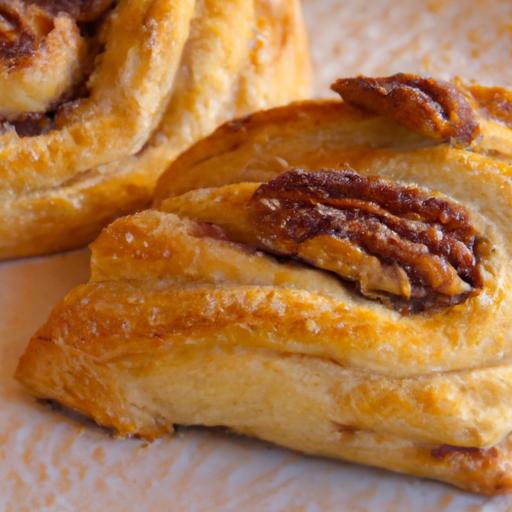

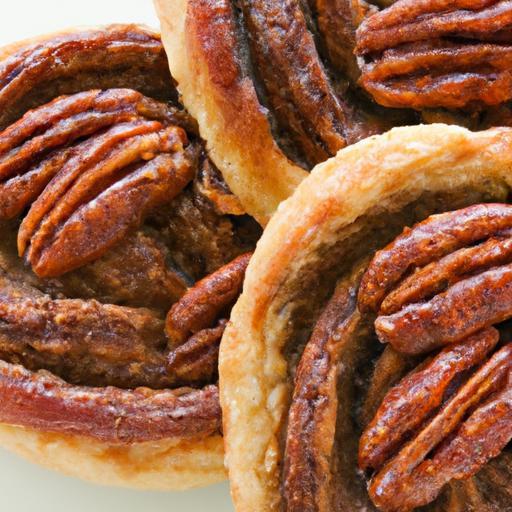
In the world of pastries, where buttery layers and sweet fillings vie for attention, few treats can rival the irresistible charm of Danish pecan pastries. These crunchy delights, with their golden, flaky crusts and luscious pecan toppings, tell a story that blends rich tradition with modern indulgence. From humble beginnings in Scandinavian bakeries to starring roles in cafés across the globe, the Danish pecan pastry is more than just a sweet snack-it’s a testament to craftsmanship, flavor, and the timeless joy of sharing somthing truly special. Join us as we unwrap the story behind this beloved pastry, exploring its origins, evolution, and the crunchy magic that continues to captivate taste buds worldwide.
crunchy Delight: The Story of Danish Pecan Pastries begins with a party of Nordic baking heritage, where buttery, flaky dough meets the irresistible texture of caramelized pecans. This Danish classic is more than just a pastry-it’s a testament to the delicate balance between crispness and tenderness, an art perfected over generations in Scandinavian bakeries. Inspired by timeless traditions, each bite offers a satisfying crunch that beautifully complements the subtle sweetness of pecans glazed in golden caramel.
Prep and Cook Time
- Preparation: 35 minutes (including dough resting)
- Cooking: 20 minutes
- total: 55 minutes
Yield
Makes 12 delectable Danish pecan pastries, perfect for sharing or savoring throughout the week.
Difficulty Level
Medium – Ideal for home bakers ready to master laminated dough and achieve caramelized perfection.
Ingredients
- For the Dough:
- 3 cups all-purpose flour, sifted
- 1/4 cup granulated sugar
- 1/2 teaspoon salt
- 1 cup unsalted butter, cold and cubed
- 1 cup cold whole milk
- 2 1/4 teaspoons active dry yeast
- 1 large egg, lightly beaten (for egg wash)
- For the Pecan Topping:
- 1 1/2 cups pecan halves, toasted
- 1/2 cup light brown sugar, packed
- 1/4 cup unsalted butter
- 2 tablespoons pure maple syrup
- 1/4 teaspoon fine sea salt
Instructions
- Activate the yeast: Warm the milk slightly (about 100°F/38°C) and dissolve the yeast with a pinch of sugar. Let it bloom for 5-7 minutes until frothy.
- Make the dough: in a large bowl, combine flour, sugar, and salt. Cut in the cold butter pieces with a pastry cutter or your fingers until the mixture resembles coarse crumbs.
- Slowly add the yeast-milk mixture to the flour,stirring gently until a shaggy dough forms. Knead lightly on a floured surface until smooth but not overworked, about 5 minutes.
- Shape the dough into a rectangle, wrap in plastic, and refrigerate for 1 hour to rest and chill.
- Prepare the pecan topping: In a small saucepan over medium heat, melt butter with brown sugar, maple syrup, and sea salt. Stir until fully combined and bubbling. add toasted pecans and toss to coat evenly. remove from heat and set aside to cool slightly.
- Roll out the chilled dough to a 12×18-inch rectangle. Brush the surface evenly with the pecan coating, reserving a few pecans for garnish.
- Fold the dough lengthwise into thirds, then cut into 12 even squares or rectangles. Place them on a parchment-lined baking sheet, spacing them slightly apart.
- Brush each pastry with the beaten egg wash for a lustrous finish. Sprinkle reserved pecans atop for visual appeal.
- Bake: preheat the oven to 375°F (190°C). Bake the pastries for 18-20 minutes until golden, flaky, and crisp around the edges.
- Transfer to a wire rack to cool slightly. The pecan topping will harden into a delightful crunch as it cools.
chef’s Notes
- Flaky Dough Tips: Keep your butter cold and avoid over-kneading to ensure perfect layers that puff and crisp beautifully.
- Nut Variations: Feel free to substitute half the pecans with walnuts or almonds for a nuanced flavor profile.
- Storage: store pastries in an airtight container at room temperature for up to 2 days. For longer freshness, freeze the unbaked pastries and bake directly from frozen, adding a few extra minutes to the baking time.
- Make Ahead: Assemble pastries a day ahead and refrigerate. Bring to room temperature before baking for best results.
Serving Suggestions
Serve your Danish pecan pastries warm or at room temperature alongside a cup of freshly brewed coffee or a robust black tea. Garnish with a light dusting of powdered sugar or a drizzle of vanilla glaze for added sweetness and visual appeal. for a luxurious weekend treat, pair with a dollop of whipped cream or a scoop of cinnamon-spiced ice cream to contrast the crunch with creamy softness.

| Nutrient | Per Serving (1 pastry) |
|---|---|
| Calories | 320 kcal |
| Protein | 5g |
| Carbohydrates | 35g |
| Fat | 18g |
for those intrigued by Scandinavian baking, check out our detailed guide on classic Danish pastries to expand your pastry repertoire. To deepen your understanding of laminated dough techniques, King Arthur Baking Company offers an expert resource worth exploring.
Q&A
Q&A: Crunchy Delight – The Story of Danish Pecan Pastries
Q1: What makes Danish pecan pastries so unique compared to other pastries?
A1: Danish pecan pastries are a brilliant symphony of texture and flavor. Their signature crunch comes from a perfectly caramelized pecan topping that contrasts beautifully with the tender, buttery layers of Danish dough. Unlike many pastries that focus solely on sweetness, these treats balance nutty richness with subtle hints of brown sugar and spice, creating a multi-dimensional experience with every bite.
Q2: How did pecan pastries become a staple in Danish baking?
A2: While customary Danish pastries owe their heritage to Austrian bakers who migrated to Denmark in the 19th century, pecan pastries emerged as a clever adaptation influenced by global ingredients. Pecans,originally native to North America,found their way into Danish kitchens through trade,inspiring bakers to experiment and create this delightful fusion. Over time, it evolved from a novelty into a beloved classic, representing a cultural meeting point between Danish craftsmanship and international flavors.
Q3: What is the typical process behind making a Danish pecan pastry?
A3: The journey begins with crafting the perfect Danish dough – a feat of layered butter and flour folded with precision to yield a light, flaky texture. Next comes the pecan topping: pecans are chopped and coated in a glaze made from caramelized brown sugar, honey, and a pinch of cinnamon or cardamom for warmth. Once assembled, the pastry is baked until golden, letting the aroma of toasted nuts and buttery dough fill the kitchen.
Q4: Are there traditional flavor variations or add-ins that enhance the pecan pastry without overpowering it?
A4: Absolutely! While the pecans take center stage, subtle additions such as a drizzle of rich vanilla glaze or a hint of orange zest work wonders to elevate the profile.Some bakers incorporate chopped dates or a whisper of almond paste layered beneath the pecan topping to add depth, ensuring the pastry remains a harmonious balance rather than a symphony of competing elements.
Q5: What occasions are Danish pecan pastries traditionally enjoyed on?
A5: Danish pecan pastries are versatile treats, perfect for both everyday indulgence and special gatherings. They often grace the tables during cozy fika moments-the cherished Scandinavian ritual of coffee and conversation-as well as festive celebrations like birthdays and holiday feasts where their crunchy sweetness complements the spirit of togetherness.
Q6: Can you share a fun fact about pecans that ties nicely into their use in Danish pastries?
A6: Interestingly, pecans are one of the few nuts native to North America that made their way into European kitchens. Their rich oils and natural sweetness make them an ideal choice for baking, emphasizing a crunchy texture without becoming overwhelmingly heavy. this nut’s journey from American groves to Danish ovens mirrors the pastry’s own story of cultural blending and culinary innovation.
Q7: How should one best store Danish pecan pastries to maintain their crunch?
A7: To preserve that coveted crunch,it’s best to store these pastries in an airtight container at room temperature,ideally consuming them within two days. if you must refrigerate, allow the pastries to come back to room temperature before enjoying, and consider a rapid reheat in the oven to revive their flaky crispness. Avoid sealing them while still warm to prevent condensation from softening the nuts.
Q8: Is there a recommended drink pairing that complements the flavor of Danish pecan pastries?
A8: Danish pecan pastries shine alongside warm beverages that have gentle flavor profiles-think aromatic black tea, spiced chai, or rich coffee with a touch of cream. These drinks mirror the pastry’s warmth and nutty nuances without overpowering the delicate balance, turning a simple snack into a soothing, sensory ritual.
this Q&A offers a flavorful glimpse into the crunchy world of Danish pecan pastries, blending history, technique, and tasting tips with a creative twist that celebrates their flavorful complexity.
to sum up
As the last flaky crumb melts on your tongue, the story of Danish pecan pastries reminds us that great delights often come from humble beginnings-a simple blend of butter, nuts, and dough transformed by tradition and time. from the bustling bakeries of Copenhagen to your morning table, these crunchy confections carry with them a rich heritage of craftsmanship and flavor.So next time you savor that golden, nut-studded bite, remember: you’re not just enjoying a pastry, you’re tasting a story baked through generations-a true crunchy delight that continues to captivate hearts and palates around the world.