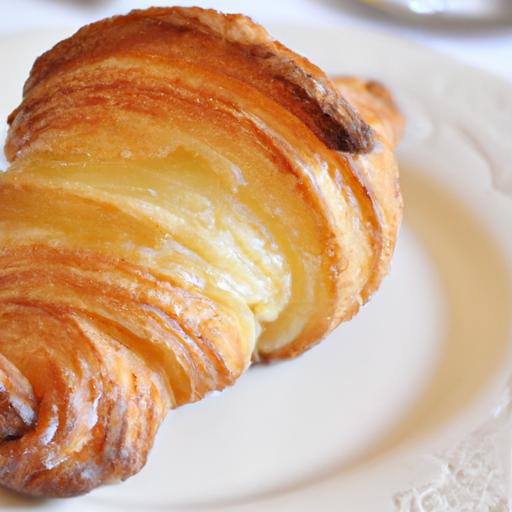


There’s a certain magic in the flaky layers of a perfectly baked croissant-golden, buttery, and tender-yet the true masterpiece often lies within its luscious core. Enter crème pâtissière: the velvety, vanilla-kissed custard that elevates a humble croissant into an irresistible indulgence. mastering croissant crème pâtissière is both an art and a science, blending delicate pastry techniques with the rich, creamy filling that tantalizes the palate. In this article, we’ll unravel the secrets behind crafting this delectable delight, guiding you step-by-step to create croissants that are as visually stunning as they are deliciously satisfying. Whether you’re a seasoned baker or an aspiring pastry enthusiast, prepare to embark on a culinary journey where tradition meets indulgence in every buttery bite.
Mastering Croissant Crème Pâtissière unlocks the sensational harmony of buttery layers and velvety custard that has enchanted pastry lovers worldwide. This timeless French classic, birthed in the heart of Parisian patisseries, invites you to embark on a sensory journey where delicate flakiness meets rich, silky cream. Whether you’re a seasoned baker or a passionate home cook, refining the nuances of croissant dough, pâte à choux custard, and innovative flavors will elevate your craft and transform your kitchen into a bakery of dreams.
Prep and Cook Time
- Planning Time: 4 hours (including chilling and resting stages)
- Active Cooking time: 40 minutes
- Total Time: Approximately 5 hours
Yield
Makes 12 perfectly golden, flaky croissants filled with luscious crème pâtissière
Difficulty Level
Advanced – Perfect for dedicated bakers ready to explore masterful layering and custard techniques
Ingredients
- For the Croissant Dough:
- 4 cups (500g) all-purpose flour, sifted
- 1/2 cup (120ml) whole milk, lukewarm
- 1/2 cup (120ml) cold water
- 1/4 cup (50g) granulated sugar
- 2 teaspoons instant yeast
- 2 teaspoons fine sea salt
- 1 cup (225g) unsalted butter, chilled and sliced thin
- for the crème Pâtissière:
- 2 cups (480ml) whole milk
- 1/2 cup (100g) granulated sugar
- 5 large egg yolks
- 1/4 cup (32g) cornstarch
- 1 tablespoon unsalted butter
- 1 teaspoon pure vanilla extract
- Optional Flavor Twists:
- Zest of 1 organic lemon or orange
- 1 teaspoon ground cinnamon or cardamom
- 2 tablespoons finely chopped toasted pistachios or almond slivers
- Fresh berries for garnish
Instructions
- Prepare the Croissant Dough: In a large bowl, combine warm milk, water, sugar, and yeast.Stir gently and let sit until frothy, about 10 minutes. Add flour and salt, mixing until forming a shaggy dough. Knead by hand or machine for 8-10 minutes until smooth and elastic.
- Shape dough into a rectangle,wrap in plastic,and refrigerate for 30 minutes to rest and relax gluten.
- Laminate with Butter: Roll dough into a 14×8 inch rectangle on a lightly floured surface. Arrange chilled butter slices evenly over two-thirds of dough. Fold the dough like a letter: fold the unbuttered third over the butter,then fold the remaining third on top,enclosing the butter fully.
- Roll the dough gently back out into a 14×8 inch rectangle. Fold again in thirds.Wrap tightly and chill for 30 minutes. Repeat rolling and folding two more times, chilling between each fold to create ultra-flaky layers.
- prepare Crème Pâtissière: While dough chills, heat milk in a saucepan until near boiling.
- In a bowl, whisk egg yolks, sugar, and cornstarch until creamy and pale.
- Temper the egg mixture by slowly adding half the hot milk,whisking constantly.
- Return mixture to saucepan with remaining milk. Cook over medium heat, whisking vigorously until thick and glossy, about 5 minutes.
- Remove from heat. Stir in butter and vanilla extract (plus zest or spices if using). Pour into a clean bowl and cover with plastic wrap pressed directly on surface to avoid skin forming. Chill until set.
- Shape and Assemble: Roll final dough into a 20×10 inch rectangle. Cut into 12 equal triangles. Pipe or spoon chilled crème pâtissière along the wider base,then roll tightly toward the tip,forming a crescent shape.
- Place croissants on parchment-lined trays, seam side down. Cover loosely with a towel and proof at room temperature until doubled in size (about 1.5-2 hours).
- Bake to Perfection: Preheat oven to 400°F (200°C). Brush croissants gently with egg wash for an irresistible shine.
- Bake for 15 minutes, then reduce temperature to 350°F (175°C) and bake for an additional 10-15 minutes until deeply golden and crisp.
- Cool on wire racks before serving to maintain flaky texture and keep custard intact.
Tips for Success
- Work swiftly when laminating to prevent butter from melting; cold dough is your best freind for flaky layers.
- When cooking the crème pâtissière, constant whisking prevents lumps and ensures a velvety custard.
- Use a piping bag for cleaner filling request, reducing custard overflow during baking.
- For enhanced flavor,infuse your milk with vanilla beans or citrus zest during heating.
- These croissants freeze beautifully: freeze raw shaped croissants on a tray, then transfer to bags. Bake frozen, adding a few extra minutes to baking time.
Serving Suggestions
Present your croissants warm alongside a dusting of powdered sugar and a scattering of fresh berries or toasted nuts for texture contrast. Pair with freshly brewed coffee or a light fruit compote to balance the richness. Delicate edible flowers or a drizzle of high-quality honey can add an elegant finishing touch, perfect for brunch or an indulgent afternoon tea experience.

Nutrition snapshot
| Nutrient | Per Croissant |
|---|---|
| Calories | 380 kcal |
| Protein | 6 g |
| Carbohydrates | 35 g |
| Fat | 22 g |
Explore more on delicate French pastries with our Classic Frangipane Tart recipe or learn expert custard techniques from Serious Eats’ detailed guide.
Q&A
Q&A: Mastering Croissant Crème Pâtissière – A Delectable Delight
Q1: What makes the combination of croissant and crème pâtissière so irresistible?
A: The magic lies in the contrast: the croissant’s flaky, buttery layers paired with the smooth, velvety richness of crème pâtissière create a symphony of textures and flavors. Each bite is a dance between crispness and creaminess, delivering a perfect balance of indulgence and finesse.
Q2: How do I achieve that perfectly flaky croissant dough?
A: Patience and technique are key! Laminating the dough with cold butter, folding and rolling multiple times, and chilling between folds are essential steps. This process creates those delicate layers that puff up into golden,crisp crescents. Use high-quality butter and keep everything cool to prevent the butter from melting prematurely.Q3: What is crème pâtissière,and how is it different from regular pastry cream?
A: Crème pâtissière is classic French pastry cream-thicker,richer,and luxuriously smooth.It’s made by gently cooking egg yolks,sugar,milk,and cornstarch (or flour) together until thickened,then infused with vanilla. Unlike lighter creams, it holds its shape beautifully, making it ideal as a filling for pastries like croissants.Q4: Can I infuse unique flavors into my crème pâtissière?
A: Absolutely! Vanilla is classic, but you can experiment with citrus zests, coffee, lavender, or even a hint of almond extract. Just infuse your chosen flavor into the milk during heating or stir it in once the cream has cooled slightly, ensuring it complements but doesn’t overpower the luxurious texture.
Q5: What’s the best way to fill croissants with crème pâtissière without making a mess?
A: Use a piping bag fitted with a narrow tip to gently inject crème pâtissière into the center of each croissant. Insert the tip at one end and slowly squeeze as you pull forward, creating a generous yet controlled filling that keeps the layers intact and mess-free.
Q6: How can I store croissant crème pâtissière to maintain freshness?
A: these beauties are best enjoyed fresh, but if you need to store them, keep filled croissants in an airtight container in the refrigerator for up to 2 days. To restore some crispness, reheat briefly in a warm oven before serving-but avoid the microwave, which can make the pastry soggy.
Q7: Are there any tips for beginners attempting this pastry duo at home?
A: Start by mastering each component separately: perfect your croissant dough first, then make crème pâtissière until you achieve a silky smooth consistency. Keep your workspace cool, don’t rush the dough resting times, and taste-test your pastry cream as you go to adjust sweetness or flavor profiles.
Q8: How can I elevate my croissant crème pâtissière for special occasions?
A: garnish your filled croissants with a dusting of powdered sugar or a delicate drizzle of dark chocolate. Fresh berries or a sprig of mint provide a hint of freshness, while a light glaze made from apricot jam brushed over the croissants adds lovely shine and a subtle fruity note.
Q9: Is it possible to make the entire pastry vegan while maintaining that indulgent texture?
A: While traditional croissants and crème pâtissière rely on butter and eggs, there are vegan alternatives using plant-based butters and custards thickened with cornstarch and plant milks. Tho the texture may differ slightly, with careful ingredient choices and technique, you can create a delightful vegan version that satisfies the craving for buttery flakiness and creamy richness.
Q10: Why is mastering croissant crème pâtissière considered a milestone for home bakers?
A: Because it combines two challenging techniques-laminated dough for the croissant and delicate custard preparation for the crème pâtissière-mastering both showcases skill,patience,and artistry. Achieving that heavenly intersection of flaky, buttery pastry and luscious cream is a triumph that transforms home baking into a gourmet experience.
To wrap It Up
As you embark on your journey to master the art of Croissant Crème Pâtissière, remember that each flaky layer and velvety spoonful is a testament to the harmony of technique and patience. This delectable delight, born from the marriage of buttery pastry and luscious custard, invites both bakers and taste seekers alike to savor the timeless elegance of French patisserie. With practice and passion, your creations will not only tantalize the palate but also tell a story-one of craftsmanship, tradition, and irresistible indulgence. So roll up your sleeves, embrace the process, and let every croissant you bake be a celebration of pastry perfection.