

when you hear the word “buckwheat,” images of humble pancakes or a simple porridge might come to mind. but this ancient seed, often mistaken for a grain, holds a world of culinary surprise waiting to be discovered. Buckwheat is more than just a gluten-free choice or a breakfast staple-it’s a versatile powerhouse with a rich history and a unique nutty flavor that can transform your cooking. In “Buckwheat Wonders: Tasty Dishes Beyond the Grain,” we’ll journey beyond the familiar, exploring inventive recipes and unexpected uses that showcase buckwheat’s true potential. Prepare to be inspired as we unlock the secrets of this engaging ingredient and invite you to savor its wonders in every bite.Buckwheat Wonders
Buckwheat wonders never cease to amaze-not just for their robust, nutty flavor but for their exceptional nutritional profile that delights both health enthusiasts and food lovers alike. This versatile seed, which hails from Eastern Europe and Asia, has woven its way into global cuisines-from hearty Russian kasha to vibrant Japanese soba noodles. today, we’re unlocking a creative recipe that celebrates buckwheat’s rich taste and nutrient-dense qualities with a modern culinary twist that’s both approachable and inspiring.Buckwheat Wonders
Prep and cook Time
- Readiness: 15 minutes
- Cooking: 25 minutes
- Total Time: 40 minutes
Yield
Serves 4 generously as a main dish or 6 as a side accompaniment
Difficulty Level
Medium – Perfect for home cooks looking to explore buckwheat with confidence
Ingredients
- 1 cup whole groats buckwheat, rinsed
- 2 ½ cups vegetable broth (for extra flavor)
- 1 tbsp olive oil
- 1 medium onion, finely chopped
- 2 cloves garlic, minced
- 1 cup shiitake mushrooms, sliced
- 1 cup roasted butternut squash cubes
- 2 tbsp toasted pumpkin seeds
- ½ tsp smoked paprika
- Salt and freshly ground black pepper to taste
- Fresh parsley, chopped, for garnish
- 1 tbsp lemon juice
Instructions
- Toast the buckwheat: In a dry pan over medium heat, toast the rinsed buckwheat groats for about 3-4 minutes until they emit a fragrant, nutty aroma. This deepens the flavor and prevents mushiness.
- Cook the buckwheat: Transfer toasted groats to a saucepan, add vegetable broth, and bring to a boil. reduce heat, cover, and simmer gently for 15-18 minutes, or until the liquid is absorbed and the groats are tender but not mushy.Remove from heat and let sit covered for 5 minutes.
- Sauté the aromatics: While buckwheat cooks, heat the olive oil in a skillet over medium heat. Add chopped onion and sauté until translucent,about 5 minutes.
- Add garlic and mushrooms: stir in minced garlic and sliced shiitake mushrooms. Sauté until mushrooms are tender and golden brown,approximately 7 minutes,stirring occasionally to develop color without burning.
- Incorporate squash and seasoning: Gently fold in roasted butternut squash cubes and smoked paprika. Cook for another 3 minutes to meld flavors, seasoning with salt and pepper.
- Combine and finish: Fluff cooked buckwheat with a fork, then stir it into the mushroom and squash mixture. Drizzle with lemon juice and gently toss to brighten the dish with a zesty finish.
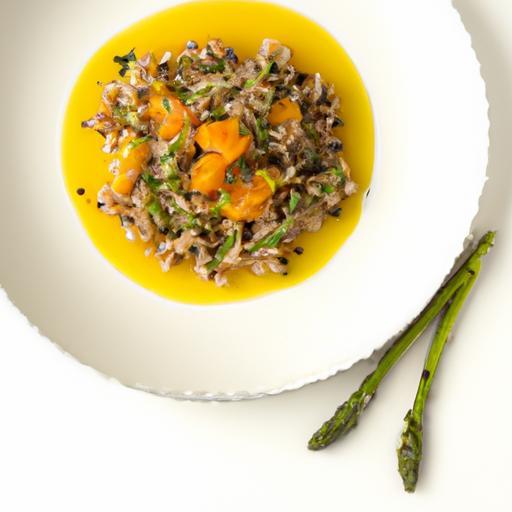
- Plate and garnish: Transfer to a serving bowl or plates, sprinkle with toasted pumpkin seeds and chopped fresh parsley for delightful texture and an herbaceous bite.Buckwheat Wonders
Chef’s Notes
- For a vegan version that adds creaminess, swirl in 2 tablespoons of coconut cream or cashew cream just before serving.
- Swap shiitake mushrooms with cremini or oyster mushrooms depending on availability and preference-theirs earthy notes balance buckwheat beautifully.
- prep ahead: Toast and cook buckwheat in advance, then refrigerate for up to 3 days. Simply reheat with a splash of broth to refresh texture before combining with sautéed ingredients.
- Adjust texture by slightly reducing liquid if you prefer a firmer grain, or adding a touch more broth for softness.
- For added protein, stir in toasted chickpeas or crumbled baked tofu after cooking.
Serving Suggestions
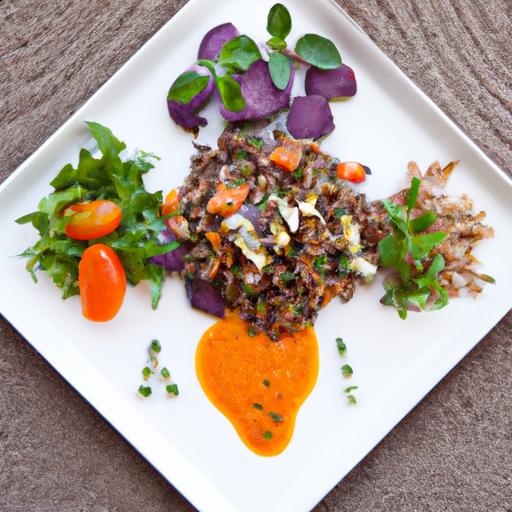
This dish shines when served warm alongside vibrant, roasted vegetables such as Brussels sprouts or a crisp arugula salad dressed with lemon vinaigrette.Garnishing with microgreens or edible flowers elevates the visual appeal for festive occasions. For a more rustic presentation, serve in a handcrafted ceramic bowl that complements the warm, earthy tones of the buckwheat blend. A dollop of vegan herbed yogurt or a spoonful of chimichurri can also add an exciting creaminess and herbal zing.Buckwheat Wonders

| Nutrient | Per Serving |
|---|---|
| Calories | 280 kcal |
| Protein | 8 g |
| Carbohydrates | 45 g |
| Fat | 6 g |
Discover more innovative buckwheat inspirations by visiting our buckwheat Breakfast Boosters collection, or deepen your knowledge of buckwheat’s health benefits through this extensive study from the National Institutes of Health.
Q&A
Q&A: Buckwheat Wonders – Delicious Dishes Beyond the Grain
Q1: What makes buckwheat such a unique ingredient compared to common grains?
A: Despite its name, buckwheat isn’t actually a grain-it’s a seed related to rhubarb and sorrel. This botanical twist gives it a distinctive nutty flavor and a robust texture that stands out in both sweet and savory dishes. Plus, it’s naturally gluten-free, making it a versatile choice for those with dietary restrictions.
Q2: How can I incorporate buckwheat into everyday meals without it feeling repetitive?
A: Buckwheat is incredibly adaptable.From warm porridge sprinkled with fresh fruits and nuts at breakfast to hearty buckwheat pancakes, it can shine in many forms. For lunch or dinner,try buckwheat soba noodles tossed with roasted vegetables and a tangy dressing or create buckwheat stuffed peppers with a vibrant veggie medley. Its earthy profile pairs beautifully with bold spices, fresh herbs, and seasonal produce.
Q3: Are there any nutritional benefits that make buckwheat stand out?
A: Absolutely! Buckwheat is a powerhouse of protein, fiber, and essential minerals like magnesium and manganese.It supports heart health with beneficial antioxidants and helps regulate blood sugar thanks to its low glycemic index. Eating buckwheat can energize your day while keeping you satisfied longer.
Q4: What are some lesser-known dishes that use buckwheat in creative ways?
A: Beyond the classic blinis and soba noodles, try making buckwheat crepes filled with creamy mushroom ragout or a crunchy buckwheat granola to sprinkle over yogurt. In eastern Europe, buckwheat groats are simmered into a comforting porridge called kasha. Or experiment with buckwheat flour to bake rustic breads and savory fritters infused with fresh herbs.
Q5: Can buckwheat be cooked similarly to rice or quinoa?
A: Yes! Toasted buckwheat groats, also known as kasha, cook quickly and offer a delightful chewiness, making them great as a side dish or salad base. Simply rinse, then simmer in water or broth until tender but still slightly firm. It absorbs flavors well, so be creative with broths, spices, and mix-ins like sautéed mushrooms or caramelized onions.
Q6: How does buckwheat impact lasting cooking or plant-based diets?
A: Buckwheat is a smart choice for eco-conscious cooking.It thrives in diverse climates without heavy pesticide use and helps enrich the soil during crop rotations. For plant-based eaters, it’s a stellar ingredient that provides complete proteins and a hearty texture, adding depth and nourishment without relying on animal products.
Q7: What tips do you have for storing buckwheat to maintain its freshness?
A: Keep buckwheat groats in an airtight container in a cool, dry place to preserve their nutty flavor.For longer storage, especially in warm or humid climates, refrigeration or freezing helps prevent any rancidity. buckwheat flour is best used fresh due to its higher fat content but can be stored similarly for short periods.
Explore the many faces of buckwheat and discover just how delicious, nutritious, and versatile this humble seed can be-ready to elevate your kitchen creations beyond the grain!
To Wrap It Up
As we wrap up our journey through the world of buckwheat, it’s clear that this humble seed transcends its reputation as just a gluten-free grain substitute. From hearty porridges to vibrant salads and crispy pancakes, buckwheat’s versatility invites endless culinary creativity. Embracing buckwheat in your kitchen not only introduces unique flavors and textures but also offers a nutritious boost packed with protein, fiber, and essential minerals. So next time you’re looking to elevate your meals with something wholesome and unexpectedly delightful, let buckwheat be your secret ingredient-proving that beyond the grain lies a world of delicious wonders waiting to be explored.