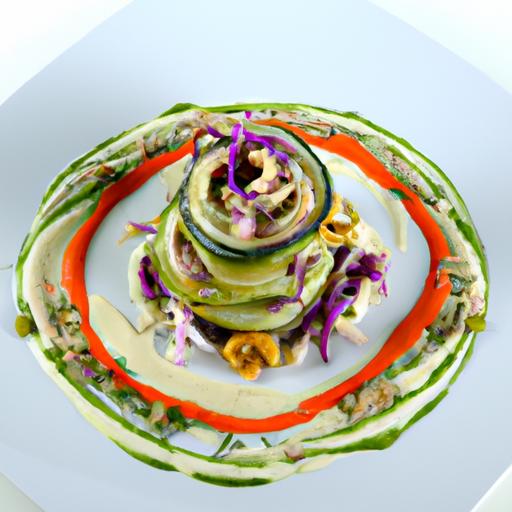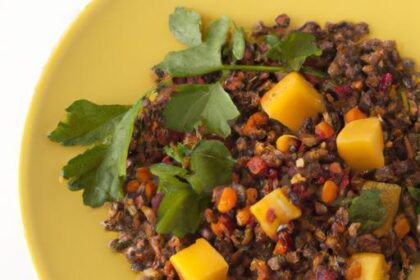



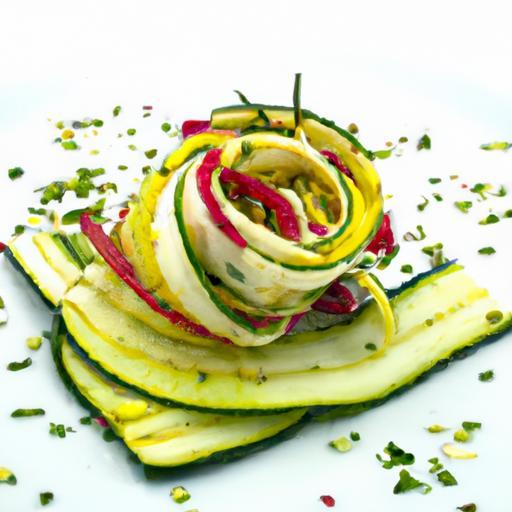
In a world where presentation is just as vital as flavor, the humble vegetable has undergone a vibrant change-from mere side dish to the centerpiece of culinary artistry. Welcome to the delightful realm of veggie spiral platters, where colors curl, textures twist, and fresh produce takes on a new dimension of elegance and taste. “Twist and Taste: The Art of Crafting veggie Spiral Platters” invites you to explore how simple ingredients can be elevated through technique and creativity, turning everyday vegetables into eye-catching, palate-pleasing masterpieces. Prepare to unwind the secrets behind these spiraled wonders and discover how swirling strands of garden goodness can enchant both the eyes and the appetite.
Twist and Taste your way into an invigorating experience of veggie spiral platters that burst with color, crunch, and flavor. Choosing the perfect vegetables is the first step to crafting a vibrant masterpiece; think beyond zucchini and embrace an array of crisp carrots, juicy cucumbers, firm sweet potatoes, and shining beets. Each vegetable offers a unique texture and hue that, when spiralized just right, creates a dazzling medley inviting both the eyes and palate.
Prep and Cook Time
- Preparation: 20 minutes
- Cooking (optional blanching or roasting): 10 minutes
- Total Time: 30 minutes
Yield
Serves 4 as a refreshing appetizer or light main dish
Difficulty Level
Easy to Medium – perfect for confident beginners and seasoned home cooks alike
Ingredients
- 2 medium zucchinis, washed and ends trimmed
- 3 large carrots, peeled
- 1 medium sweet potato, peeled
- 1 large cucumber, peeled if desired
- 1 small golden beet, peeled
- 1 tablespoon olive oil
- Salt and freshly ground black pepper to taste
- Fresh herbs such as parsley, basil, or mint for garnish
- 1 cup Greek yogurt (for dressing base)
- 2 tablespoons lemon juice
- 1 tablespoon honey or maple syrup
- 1 teaspoon Dijon mustard
- 1 garlic clove, minced
- 1 tablespoon fresh dill, finely chopped
Instructions
- Selecting and Preparing vegetables: start by thoroughly washing all vegetables. Trim the ends of zucchini and cucumbers. Peel carrots, sweet potato, and beet to reveal their vibrant colors beneath the skin.
- Mastering Spiralizing: Secure your vegetable in the spiralizer, ensuring it is firmly positioned. Use the medium or fine blade for zucchini and cucumber to achieve fluffy, noodle-like spirals. Sweet potatoes and carrots benefit from a slightly thicker cut to maintain structure and crispness.
- Spiralize each vegetable one at a time, rotating with steady pressure. Be patient-rushing can cause uneven strands or breakage.If some strands are uneven, gently separate and fluff them by hand to encourage evenness.
- Optional blanching: For softer texture, blanch sweet potato and carrot spirals briefly in boiling water for 1-2 minutes. Immediately transfer to an ice bath to stop cooking and freeze their vibrant color.
- Prepare the complementary dressing: In a bowl, whisk together Greek yogurt, lemon juice, honey, Dijon mustard, minced garlic, and fresh dill until smooth. Season with salt and pepper to taste. This creamy, zesty dip offers a refreshing balance to the natural sweetness and earthiness of the spirals.
- Lightly toss spirals: In a large mixing bowl, drizzle olive oil over the spiralized vegetables and season with salt and pepper. Toss gently to coat without breaking delicate strands.
- Artful plating: Using tongs or your fingers, arrange spirals in loose nests or radiating layers on a large platter. Mix colors intentionally-nest orange carrots next to deep purple beet strands, contrast bright cucumbers with soft green zucchini for a kaleidoscope effect.
- Garnish generously: Sprinkle torn fresh herbs and a few edible flowers if available. Add small dollops of the yogurt dressing alongside or serve as a dip to keep the spirals lively and crisp until served.
Tips for Success
- Choose fresh, firm vegetables with minimal blemishes for consistent spiral integrity and brilliant colors.
- For even textures, practice steady, controlled pressure on the spiralizer. If strands break easily, try switching to a coarser spiral blade.
- To keep spirals crisp for longer,avoid salting too early. Salt draws moisture and can make spirals soggy.
- Make-ahead tip: Spiralize veggies and store them separately, covered in the fridge up to 12 hours. Assemble just before serving for peak freshness and texture.
- Swap out herbs and dressings to complement different cuisines-cilantro with lime for Mexican vibes or tahini with lemon and cumin for Middle Eastern flair.
Serving Suggestions
Arrange the spiral platter on a rustic wooden board or elegant ceramic plate. Pair with small bowls of yogurt herb dip and a vibrant beet hummus for contrasting colors and flavors. Provide delicate toothpicks or small forks so guests can easily pick their favorite spirals.Garnish with toasted seeds or nuts for added crunch,and a wedge of lemon for an optional fresh squeeze. This vegetable spiral creation shines as a supper party centerpiece or a refreshing, nourishing lunch.
| Nutrient | Per Serving |
|---|---|
| Calories | 110 kcal |
| Protein | 5 g |
| Carbohydrates | 18 g |
| Fat | 3 g |
Learn more expert spiralizer tips from Bon Appétit.
Explore our Fresh Summer Salads collection for more creative ways to enjoy garden-fresh produce.

Q&A
Q&A: Twist and Taste: The art of Crafting Veggie Spiral Platters
Q1: What makes a veggie spiral platter different from a customary vegetable platter?
A1: Unlike traditional vegetable platters that rely on simple slices and sticks, veggie spiral platters celebrate the natural beauty and texture of vegetables by transforming them into whimsical spirals and curls. This adds an element of artistry and fun, inviting guests to engage with veggies in a more vibrant, playful way.
Q2: Which vegetables work best for creating spirals?
A2: Vegetables with firm, crisp textures and defined shapes are ideal for spiraling. Carrots, zucchinis, cucumbers, beets, sweet potatoes, and radishes are some favorites. Their density holds up well during spiraling, and their bright colors brightens the overall presentation.
Q3: What tools are essential for crafting veggie spirals?
A3: A good-quality spiralizer is a must-have. Whether it’s a handheld model or a countertop version, spiralizers make creating consistent, elegant spirals effortless. A sharp paring knife, vegetable peeler, and microplane zester can also help prepare the veggies and add finishing touches.
Q4: How can one avoid the spirals from wilting or becoming soggy on the platter?
A4: To keep your veggie spirals crisp, soak them briefly in ice water right after spiralizing. This refreshes the texture and adds a satisfying crunch. pat them dry carefully before arranging them to prevent excess moisture on the platter.
Q5: What techniques can elevate the visual appeal of a spiral vegetable platter?
A5: Think about layering spirals in concentric circles with contrasting colors to create vibrant patterns. Intertwining different veggie spirals adds depth and movement. Garnish with fresh herbs like cilantro, mint, or basil to add a burst of green and aroma. Don’t shy away from incorporating edible flowers for a whimsical touch.
Q6: How do you balance flavors and textures on a veggie spiral platter?
A6: variety is key. Combine crunchy and tender spirals, sweet and earthy tones, and add a sprinkle of toasted nuts or seeds for crunch. Include dips with bold flavors-like tangy tahini, creamy avocado, or zesty lemon-herb dressings-to complement and enhance the veggies without overpowering their natural taste.
Q7: Can spiralized veggies be prepared ahead of time?
A7: yes,but with care! Spiralized veggies can be prepped a few hours ahead and stored in an airtight container in the fridge. Keep them slightly damp with a paper towel to maintain moisture without sogginess. Assemble the platter just before serving for the freshest, most vibrant presentation.
Q8: What occasions are perfect for serving a veggie spiral platter?
A8: Veggie spiral platters are versatile and stunning for everything from casual brunches and garden parties to holiday feasts and corporate events. their eye-catching design makes them excellent conversation starters and encourages healthy eating in a delightful way.
Q9: Are spiralized vegetables only suitable for cold platters or can they be cooked?
A9: Spiralized veggies shine both raw and cooked! For platters, they’re often served fresh to showcase crispness and color. But you can lightly sauté or steam thicker spirals like sweet potatoes and beets to soften them and add a warm element. just remember to keep the textures balanced.
Q10: What’s a simple tip for beginners eager to try veggie spiraling for the first time?
A10: Start with a sturdy vegetable like a zucchini or carrot and a basic spiralizer with a single blade. Practice makes perfect-focus on steady, gentle pressure and keep your fingers safe. Once you get the hang of it, you’ll find it’s a delightfully meditative and creative kitchen ritual!
In summary
As the vibrant spirals of fresh vegetables twirl together on your platter, they do more than just please the eye-they invite you to savor the harmony of color, texture, and flavor in every bite. Crafting veggie spiral platters is truly an art form, blending creativity with nutrition to transform simple ingredients into edible masterpieces. So next time you reach for a snack or prepare a gathering, remember that a little twist-and a splash of inventiveness-can turn humble veggies into a party of taste and visual delight. Embrace the spiral, and let your platter tell a story of freshness, health, and culinary artistry.