
In the ever-evolving world of health-conscious living, sweetness often feels like a forbidden luxury-especially for those navigating the challenges of gluten sensitivity. Enter erythritol, a natural sugar substitute that promises all the sweetness without the guilt or gluten worries. But as gluten-free diets gain momentum, finding reliable, tasty erythritol options can feel like decoding a secret recipe. In this article, we embark on a delightful exploration of gluten-free erythritol alternatives, uncovering how these sweeteners simplify your baking and cooking adventures while keeping your dietary needs front and center. Get ready to satisfy your sweet tooth the smart way-because sweetness shouldn’t be intricate.
Sweet Simplified: Exploring Gluten-free Erythritol Options opens a whole new world of sweetness without the guilt or gluten worries. Erythritol,a sugar alcohol derived naturally from fermented fruits and vegetables,offers a crystalline sweetness that perfectly mimics sugar’s texture and flavor. For bakers embracing gluten-free lifestyles, erythritol shines as an indispensable ally-delivering delightful texture, minimizing blood sugar spikes, and ensuring your treats stay both scrumptious and diet-friendly.
Understanding Erythritol’s Unique Role in Gluten-Free Baking
In gluten-free baking, balancing taste and texture can be tricky, especially when reducing sugar. Erythritol excels by providing bulk and crystal structure, mimicking sugar’s caramelization potential without adding carbs or calories. Unlike some natural sweeteners that can overpower or impart strong aftertastes, erythritol’s clean, slightly cooling finish complements delicate gluten-free flours like almond, coconut, or sorghum without masking their natural nuttiness.
Moreover, erythritol is non-glycemic, so it won’t spike blood sugar or insulin, making it ideal for diabetic or low-carb gluten-free diets. Its hygroscopic nature also helps to maintain moisture in baked goods, preventing dryness that often plagues gluten-free bakes.
Comparing Erythritol with Other Natural Sweeteners for Gluten-Free Diets
While natural sweeteners like maple syrup, honey, and coconut sugar offer complex flavors and moistness, their carbohydrate content and glycemic loads may hinder strict gluten-free or diabetic-friendly goals. Conversely, sugar alcohols like erythritol provide sweetness with minimal calories and zero net carbs.
Compared to stevia or monk fruit, erythritol brings granule size and bulk, enabling a 1:1 sugar replacement without compromising texture-something liquid or intensely sweet extracts struggle with in gluten-free breads or cookies.
Prep and Cook Time
- Planning: 15 minutes
- Cooking/Baking: 30 minutes
- Total Time: 45 minutes
Yield
About 12 servings (depending on portion size)
Difficulty level
Medium-Perfect for those cozy with gluten-free techniques and eager to experiment with erythritol.
Ingredients
- 1 ¾ cups almond flour, finely ground
- ½ cup gluten-free oat flour, sifted
- 1 cup erythritol, granular
- 1 tsp baking powder, gluten-free
- ½ tsp baking soda
- ¼ tsp sea salt
- 3 large eggs, room temperature
- ½ cup coconut oil, melted and slightly cooled
- 1 tsp vanilla extract, pure
- ½ cup unsweetened almond milk
- Optional: ½ cup chopped walnuts or dark chocolate chips (gluten-free)
Instructions
- Preheat your oven to 350°F (175°C) and grease a 9-inch loaf pan or line it with parchment paper for easy release.
- In a large mixing bowl, whisk together almond flour, oat flour, erythritol, baking powder, baking soda, and salt until uniformly combined.
- In a separate bowl,beat eggs,then add melted coconut oil,almond milk,and vanilla extract. Stir briskly to blend liquids thoroughly.
- Pour the wet ingredients into the dry,folding gently with a spatula to incorporate. mix just until the batter is smooth and well combined-avoid overmixing to maintain a tender crumb.
- If desired, fold in chopped walnuts or dark chocolate chips evenly to add texture and bursts of flavor.
- Transfer the batter into the prepared loaf pan, smoothing the top with a spatula for even rising.
- Bake for 28-32 minutes or until a toothpick inserted comes out clean and the top is golden brown. keep an eye on your loaf from the 25-minute mark to prevent overbaking.
- Cool wholly in the pan on a wire rack before slicing to ensure moistness and ease of cutting.
Chef’s Notes: Tips for Success
- Moisture balance: As erythritol can sometimes crystallize, allowing your baked good to cool slowly can definitely help maintain moistness.
- Substitutions: Swap almond flour for hazelnut or pecan flour for a nutty twist, but do not reduce erythritol ratio, as it contributes to structure and sweetness.
- Cooling impact: Erythritol may introduce a subtle cooling sensation-pair this loaf with warm tea or cinnamon-spiced spreads to complement.
- Make ahead: Store baked goods in airtight containers at room temperature for up to 3 days or freeze slices individually for up to 1 month.
- Digestive note: Erythritol is well-tolerated but some people may experience mild digestive discomfort with high amounts; moderation is key.
Serving Suggestions
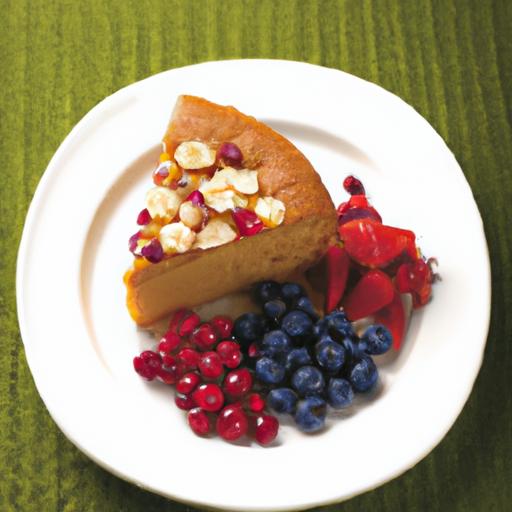
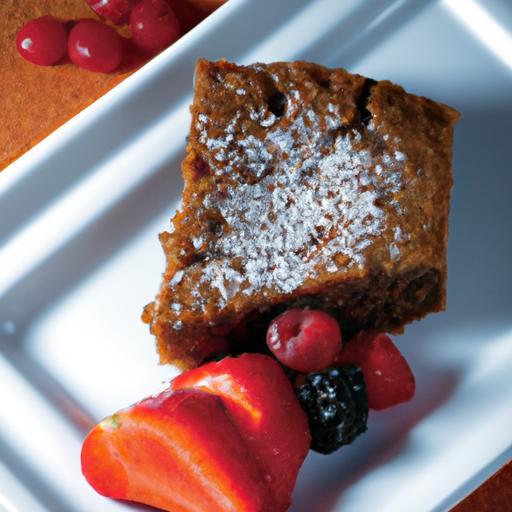
Slice this loaf thickly and serve warm with a smear of unsalted butter or your favorite nut butter. garnish with fresh berries and a light dusting of powdered erythritol for extra elegance. For a decadent yet wholesome treat, pair with a dollop of coconut whipped cream and sprinkle chopped toasted pecans on top.

| Nutrient | Per serving (1 slice) |
|---|---|
| Calories | 170 kcal |
| Protein | 5 g |
| Carbohydrates | 8 g (Net carbs 2 g) |
| Fat | 14 g |
| Fiber | 6 g |
To deepen your gluten-free baking expertise with erythritol, check out our related article on The Ultimate Guide to Gluten-Free Flours. For more scientific insights on erythritol’s safety and benefits, visit FDA’s Sugar Alcohol Resource.
Q&A
Q&A: Sweet Simplified – Exploring Gluten-Free Erythritol Options
Q1: What is erythritol, and why is it gaining popularity in gluten-free cooking?
A1: Erythritol is a naturally occurring sugar alcohol found in fruits and fermented foods. It has about 70% of the sweetness of sugar but with nearly zero calories. For those following a gluten-free lifestyle, erythritol offers a sweetening solution that doesn’t spike blood sugar or trigger gluten-related sensitivities, making it ideal for appetizing, safe treats.Q2: How does erythritol differ from other sugar substitutes in gluten-free recipes?
A2: Unlike some sweeteners that can leave a bitter aftertaste or cause digestive upset,erythritol tends to be well-tolerated with a clean,sweet flavor.It doesn’t ferment in the gut like other sugar alcohols, which means less bloating or discomfort. Plus, it blends beautifully in baked goods, maintaining the perfect texture without adding gluten.Q3: Are there specific gluten-free recipes where erythritol shines notably bright?
A3: Absolutely! Erythritol works wonders in gluten-free cookies, cakes, and muffins, especially when paired with almond or coconut flour. It caramelizes nicely, giving a satisfying golden crust and lending a smooth sweetness without overpowering other flavors. It’s a secret weapon for anyone craving dessert without the gluten or sugar crash.
Q4: Can erythritol be used as a one-to-one sugar replacement?
A4: In most cases, yes! Erythritol can often replace sugar in a 1:1 ratio, making it simple to swap into your favorite gluten-free recipes. However, it doesn’t dissolve or caramelize exactly like sugar, so some adjustments in baking time or moisture might be needed for perfect results.
Q5: Are there any health benefits to choosing erythritol in gluten-free sweetening?
A5: Beyond being gluten-free, erythritol boasts benefits like zero glycemic impact, meaning it won’t cause blood sugar spikes-a major plus for those managing diabetes or metabolic health. It’s also tooth-friendly,helping prevent cavities,and is rich in antioxidants that contribute to overall well-being.
Q6: Where can gluten-free bakers source high-quality erythritol?
A6: Quality matters! Look for erythritol labeled gluten-free, frequently enough found in health food stores or online specialty shops. Organic or non-GMO-certified options ensure purity and bright, clean sweetness, perfect for keeping your gluten-free creations wholesome and delicious.
Q7: Are there any tips for baking with erythritol to get the best texture and flavor?
A7: Yes! As erythritol doesn’t brown quite like sugar, combining it with a touch of natural sweeteners like pure vanilla extract or cinnamon can enhance complexity. To avoid a gritty texture, try dissolving erythritol in liquid ingredients before mixing and allow baked goods to cool fully-this helps smooth out any crystals.
Q8: Can erythritol be combined with other gluten-free sweeteners for sweeter results?
A8: Definitely! Pairing erythritol with sweeteners like stevia or monk fruit can create a blended sweetness that’s richer and more rounded. This combo keeps your treats low-calorie and gluten-free while offering a taste closer to traditional sugar.
Q9: Are there any precautions or side effects to be aware of when using erythritol?
A9: Erythritol is generally well-tolerated, but consuming it in very large amounts might cause mild digestive discomfort in some individuals. Start with moderate portions and observe how your body reacts to stay comfortably sweetened.
Q10: how does erythritol support a lasting and mindful gluten-free lifestyle?
A10: Choosing erythritol aligns with mindful eating by providing a natural, low-impact sweetener that encourages healthier indulgences without gluten worries. It supports gluten-free diets without compromising taste or health, empowering creative baking while nurturing your body and balancing sweetness in life.
Key Takeaways
As we wrap up our journey through the world of gluten-free erythritol options, it’s clear that sweetening your life without the gluten baggage is not only possible but delightfully simple. From baking bliss to everyday beverages, erythritol offers a versatile, low-calorie alternative that respects both your dietary needs and your craving for sweetness. Embracing these sweetened solutions invites a harmonious balance-where taste meets health, and complexity gives way to clarity. So next time you reach for a sweetener, consider erythritol as your gluten-free companion, turning every bite into a celebration of simplicity and well-being.