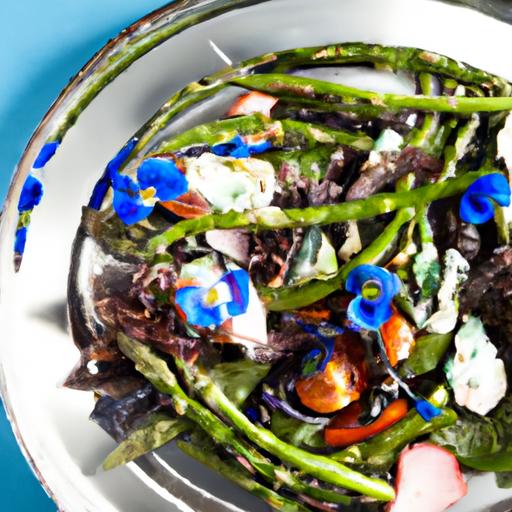



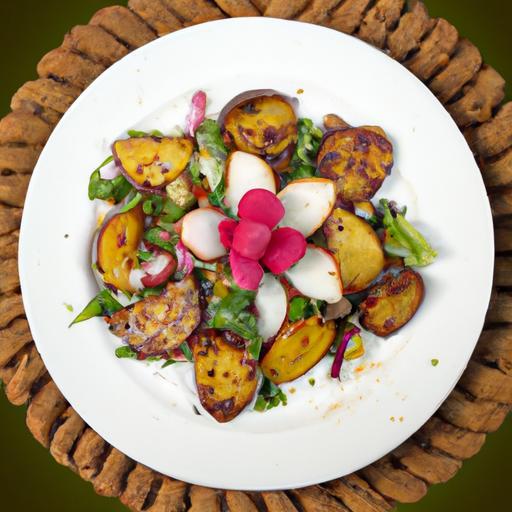
When it comes to setting the perfect table, the centerpiece frequently enough steals the spotlight. But why settle for conventional floral arrangements when you can infuse your gatherings with bursts of colour, texture, and natural charm using vibrant veggie centerpieces? These fresh, eye-catching displays not only celebrate the bounty of the garden but also add a playful, unexpected flair to any occasion. From crisp bell peppers and radiant radishes to lush leafy greens and jewel-toned carrots, vegetable centerpieces transform ordinary tables into stunning works of art - inviting guests to savor both the beauty and the bounty before the meal even begins. Let’s explore how to craft these lively, edible arrangements that bring freshness and creativity to every setting.
Vibrant veggie centerpieces are a dazzling way to bring both artistic flair and wholesome freshness to your table setting. Combining a variety of colorful vegetables not only elevates visual appeal but also introduces a delightful range of textures, creating a dynamic focal point that guests can admire and even nibble on. Inspired by seasonal farmers’ markets and garden gatherings, this approach transforms everyday produce into living artwork. Whether you’re hosting an intimate dinner or a lively party, carefully selecting and arranging fresh veggies invites interaction and an immersive sensory experience.
Prep and Cook Time
Planning: 30 minutes
Assembly (no cooking required): 20 minutes
Yield
Serves 6-8 as a centerpiece or shared appetizer.
Difficulty level
Easy to Medium: Minimal cooking required; primarily assembly and styling.
Ingredients
- 1 large heirloom carrot, peeled and trimmed – for vibrant orange hues and crunch
- 1 cup rainbow cherry tomatoes – for bursts of red, yellow, and orange
- 1 large English cucumber, sliced into thick coins
- 1 bunch purple radishes, trimmed and halved
- 1 small bunch baby kale or tender arugula
- 1 medium yellow bell pepper, julienned
- 1 cup sugar snap peas – for crisp sweetness and luminous green color
- 1 medium beet, cooked and sliced thinly – deep magenta for contrast
- fresh herbs (dill, parsley, basil) – to incorporate edible greenery
- Optional edible flowers (nasturtiums, pansies) – for delicate pops of color
- Small bowl of hummus or seasoned Greek yogurt dip – to place at the base for an interactive element
instructions
- Start by washing and drying all vegetables thoroughly. This ensures crispness and vibrant colors remain vivid throughout the event.
- Slice the heirloom carrot into various shapes: rounds, sticks, and small curls. Use a vegetable peeler for curls to add dimension.
- arrange the base layer: Create a bed of baby kale and arugula on a shallow wide dish or sturdy wooden board. This provides a lush background and fresh aroma.
- place colorful cucumber coins and beet slices evenly across the greens, slightly overlapping for texture variety.
- Cluster the cherry tomatoes and radish halves in small groups to encourage eyes to move across the centerpiece. grouping similar colors but different shapes increases visual interest.
- Interleave julienned yellow bell pepper and sugar snap peas vertically: nestle them standing upright between other veggies to add height and playful texture.
- Sprinkle freshly picked herbs liberally around and on top: fresh dill and basil leaves bring fragrance and rich green hues.
- Add edible flowers sparingly among the vegetables: thier delicate shapes and unexpected colors create whimsical focal points and invite guests to touch and taste.
- Place a small bowl of hummus or seasoned Greek yogurt dip at the center or side, encouraging interactive enjoyment as guests can snack while admiring the display.
- Final touch: Mist the entire arrangement lightly with clean water using a spray bottle to boost freshness and natural shimmer under lighting.
Chef’s Notes
- Substitutions: Use mini bell peppers instead of yellow ones for variety or swap baby kale with tender spinach or Swiss chard if preferred.
- Make-ahead tip: Prep all cut vegetables and store separately wrapped in damp paper towels for up to 12 hours. Assemble just before serving to maintain crispness.
- Balance flavors: Incorporate a small drizzle of citrus vinaigrette on sturdier veggies like carrots and beets if you want a slightly tangy bite.
- Color coordination: When selecting your veggies, aim for striking contrasts-bright reds next to deep greens or pale yellows beside purples-to maximize visual impact.
- Avoid sogginess: Remove excess moisture from sliced veggies using a paper towel before arrangement to keep textures fresh and inviting.
Serving Suggestions
Present your vibrant veggie centerpiece atop a rustic wooden board, white ceramic platter, or even a mirrored tray to reflect colors brilliantly. Surround it with small plates and cocktail forks so guests can easily pick their favorites. Garnish with scattered microgreens and a brush of olive oil around the edges to enhance sheen. Pair this centerpiece with light artisan breads or crisp crackers for a complementary bite. For a festive touch, place votive candles or small fairy lights around the display to highlight the colors at dusk, turning your table into an edible garden of delight.
| Nutrient | Per Serving (Approx.) |
|---|---|
| Calories | 85 |
| Protein | 3g |
| Carbohydrates | 18g |
| Fat | 1.5g |
For more inspiration on edible arrangements and vibrant veggie centerpiece ideas,check out creative Plant-Based Table Settings. To explore the health benefits of fresh vegetables featured here, visit Healthline’s vegetable nutrition guide.

Q&A
Q&A: Vibrant Veggie Centerpieces: Fresh Flair for Every Table
Q1: What makes vegetable centerpieces a great choice for table decor?
A1: Vegetable centerpieces bring vibrant color,natural texture,and an unexpected freshness to any table setting. Unlike typical floral arrangements, veggies add an edible element that sparks curiosity and conversation, making your gathering both beautiful and interactive.
Q2: Which vegetables work best for creating striking centerpieces?
A2: Think bold and colorful! Rainbow carrots, purple cauliflower, bright cherry tomatoes, crisp radishes, shiny bell peppers, and elegant heirloom tomatoes all offer unique shapes and hues. Leafy greens like kale or Swiss chard add volume and a lush backdrop, while herbs such as rosemary or thyme lend fragrant accents.
Q3: How do I ensure my veggie centerpiece stays fresh throughout the event?
A3: Hydration is key! Start by arranging your vegetables in a shallow bowl with a little water or place damp floral foam underneath to keep stems crisp. Keep the centerpiece cool until it’s time to display it, and avoid direct sunlight to prevent wilting.
Q4: Can vegetable centerpieces be customized to fit different themes or occasions?
A4: Absolutely! For a rustic vibe,use root vegetables nestled in wooden bowls or baskets. for a modern look, stack glossy eggplants and vibrant bell peppers in geometric patterns on sleek platters.Seasonal veggies allow you to tailor your centerpiece-think bright cherry tomatoes in summer or miniature gourds piled artfully for autumn.
Q5: How can I incorporate flower elements without overshadowing the vegetable focus?
A5: Choose delicate, minimal flowers like baby’s breath, chamomile, or edible blossoms. These add a whimsical touch without competing with the bold shapes and colors of your veggies. Alternatively, herbs with small blooms-like lavender or mint-blend seamlessly into the arrangement.
Q6: Are there any tricks to arranging vegetables to maximize visual impact?
A6: Start with your largest, most colorful vegetables as the foundation, placing them off-center for a natural asymmetry. layer smaller veggies and herbs around these focal points, varying heights and textures. Using a mix of rounded, elongated, and spiky shapes keeps the centerpiece dynamic and engaging.
Q7: After the event, can these vegetable centerpieces be repurposed or eaten?
A7: Definitely! One of the perks of veggie centerpieces is their functionality. Once your event is over, dismantle the arrangement and incorporate the fresh veggies into salads, dips, or side dishes.It’s a delightful way to reduce waste and enjoy the flavors you’ve showcased.
Q8: What about incorporating fruits into a veggie centerpiece-does that work?
A8: Yes! Adding fruits like cherry tomatoes, colorful grapes, or slices of juicy citrus can enhance color contrast and add sweetness. Just be mindful to balance the overall theme-keeping veggies as the star while letting fruits play supporting roles.
Q9: How can I make a veggie centerpiece kid-pleasant and fun?
A9: Use playful, bite-sized vegetables like baby carrots, mini bell peppers, and snap peas. Incorporate fun shapes-think cucumber stars, zucchini ribbons, or cherry tomato “berries.” Encourage little guests to help build or nibble on the display, turning decor into a flavorful activity!
Q10: Where can readers find inspiration and ideas for their own vibrant veggie centerpieces?
A10: Explore farmers’ markets for stunning seasonal produce that inspires color palettes and themes. Gardening blogs, food styling Instagram accounts, and vegetable-focused cookbooks also offer creative arrangements and fresh concepts. Remember, the best designs are the ones that excite your personal style and palate!
To Wrap It Up
As you embark on your next gathering, let vibrant veggie centerpieces be your secret ingredient to unforgettable tablescapes. Beyond their fresh flair and eye-catching hues, these edible works of art bring a delightful harmony of nature and nourishment right to the heart of your celebration. From casual brunches to elegant dinners, embracing the colors and textures of fresh vegetables transforms any setting into a feast for the senses. So, next time you set the table, remember: a splash of garden-inspired creativity can turn simple veggies into stunning statements-proving that beauty and flavor truly grow side by side.