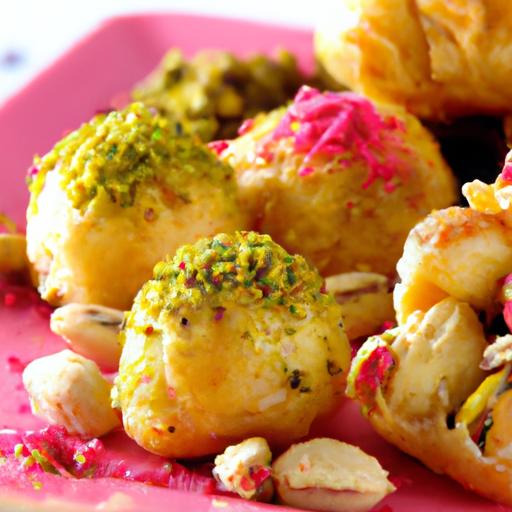
Step into a vibrant tapestry of flavors and traditions as we embark on a colorful journey through assorted Oriental pastries. Each bite-sized delight tells a story woven from centuries of culture, craftsmanship, and culinary artistry. From the delicate layers of flaky baklava dripping with honey to the fragrant embrace of rose-scented ma’amoul, these pastries are much more than sweets-they are edible treasures that capture the essence of the East. Join us as we explore the origins,ingredients,and unique characteristics that make Oriental pastries a feast for both the eyes and the palate,inviting you to savor history one exquisite morsel at a time.
A Colorful Journey Through Assorted Oriental Pastries: Exploring the Vibrant Palette
A Colorful journey Through Assorted Oriental Pastries introduces you to the enchanting world of delicate confections that blend intricate craftsmanship with bold, vibrant flavors. Originating from ancient culinary traditions spanning the Middle East, Central Asia, and beyond, these pastries tell stories through their unique textures, dazzling colors, and fragrant spices. As an experienced culinary content creator and food stylist, I am always inspired incidentally speaking these treats symbolize cultural heritage and artistry, inviting us to savor ingredients and techniques that remain largely untouched in mainstream baking.
at the heart of these pastries lie uncommon ingredients such as rosewater, cardamom, pistachios, and saffron, which infuse the doughs and fillings with ethereal aromas and unforgettable tastes. They break the mold of typical western pastries with their layered textures-from crispy to chewy to silky-making every bite a sensory celebration. Whether you’re new to Oriental flavors or a seasoned palate, embracing these ingredients will expand your pastry repertoire beautifully.
Prep and cook Time
- Preparation: 45 minutes
- Resting Time: 60 minutes (dough chilling and proofing)
- Cooking/Baking: 15 to 20 minutes per batch
Yield
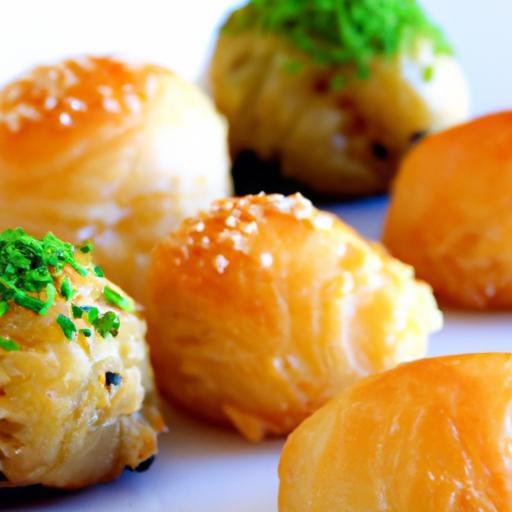
Approximately 24 medium-sized pastries, perfect for sharing or gifting.
Difficulty Level
Medium: Requires attention to detail, layering techniques, and patience for dough handling.
Ingredients
- 2 cups all-purpose flour, sifted
- 1/2 cup fine semolina
- 1/4 cup granulated sugar
- 1/4 tsp salt
- 3/4 cup unsalted butter, softened (at room temperature)
- 1/4 cup warm milk (about 95°F)
- 1 tbsp active dry yeast
- 2 tbsp rosewater
- 1 tsp ground cardamom
- 1/2 tsp ground cinnamon
- 1/3 cup finely chopped pistachios (plus extra for garnish)
- 1/3 cup finely chopped dried dates or apricots
- Honey or date syrup for glazing (about 1/4 cup)
Instructions
- Activate the yeast: In a small bowl, combine the warm milk with yeast and 1 teaspoon of sugar. Stir gently and allow it to foam for 8-10 minutes – this ensures the yeast is lively and ready.
- Mix dry ingredients: In a large mixing bowl, whisk together the sifted flour, semolina, remaining sugar, salt, cardamom, and cinnamon. this fragrant blend builds the foundation for the dough’s signature aroma.
- Combine wet and dry: Make a well in the center and add softened butter, rosewater, and the yeast mixture. Using your hands or a dough hook, knead until a smooth, supple dough forms-about 8 minutes. The dough should be soft but not sticky; add a teaspoon of flour or milk as needed.
- Rest and chill: Cover the dough with a damp cloth or plastic wrap. Let it rest in a warm spot for 45 minutes, then refrigerate for at least 30 minutes to help the gluten relax, improving the dough’s elasticity for shaping.
- Prepare filling: In a bowl, combine chopped pistachios and dried fruit. Add a pinch of cinnamon if desired. This sweet, nutty blend is the heart of the pastry’s flavour contrast.
- Shape the pastries: On a floured surface, roll out the dough into a thin rectangle, about 1/8 inch thick. Spread the nut and fruit filling evenly, leaving about 1 inch from the edges. Carefully roll the dough lengthwise, sealing edges by pinching firmly.
- Cut and shape: Slice the rolled dough into 2-inch segments. Gently twist or coil each piece into spirals or crescent shapes according to your preferred style.
- Bake: Place pastries on a parchment-lined baking tray, spaced at least 2 inches apart. Bake in a preheated oven at 350°F (175°C) for 15 to 18 minutes or until golden with a slight crisp.
- Glaze and garnish: Remove from oven and immediately brush the tops with warm honey or date syrup for shine and added sweetness. Sprinkle extra chopped pistachios for color and crunch.
- Cool and serve: Let the pastries cool on a wire rack. Serve warm or at room temperature with a side of mint tea or cardamom spiced coffee for a traditional experience.
Chef’s Notes
- Ingredient tips: Use the freshest nuts possible for optimal crunch and flavor. You may substitute almonds or walnuts if pistachios are unavailable.
- Flavor variations: Swap dried dates for golden raisins or chopped figs, and experiment by adding orange blossom water rather of rosewater for a subtle citrus lift.
- Dough handling: Avoid over-kneading, which can make the dough tough. Resting periods are essential to develop the right texture.
- Make-ahead: Pastries can be tightly wrapped and frozen before baking. Thaw and bake fresh for best results.
- Storage: Store leftovers in an airtight container for up to 3 days; reheat gently to restore crispness.
Serving Suggestions
Present these pastries on a vibrant patterned ceramic plate to highlight their golden hues and jewel-like pistachio speckles. Garnish with edible rose petals or a light dusting of powdered sugar for an elegant touch. Accompany with a small bowl of clotted cream or a fresh yogurt dip infused with honey and crushed cardamom for contrast.
For an immersive tasting experience,pair with warm spiced teas such as classic masala chai or unsweetened green tea to balance the sweet, floral notes.

| Nutrient | Per Serving (1 pastry) |
|---|---|
| Calories | 150 kcal |
| Protein | 3 g |
| Carbohydrates | 18 g |
| Fat | 7 g |
For more inspiring pastry creations, explore our complete guide on Oriental desserts and deepen your understanding of this rich culinary tradition.
Q&A
Q&A: A Colorful Journey Through Assorted Oriental Pastries
Q1: What makes oriental pastries stand out from other types of desserts?
A1: Oriental pastries captivate with their vibrant colors, rich textures, and intricate designs. Unlike many western sweets,these treats frequently enough combine floral essences,nuts,and natural honey or syrups,offering a delicate balance of sweetness and aroma that creates an unforgettable sensory experience.
Q2: Which ingredients are commonly found in Oriental pastries?
A2: Ingredients such as fragrant rosewater, cardamom, pistachios, almonds, dates, sesame seeds, and fragrant orange blossoms are staples in many Oriental pastries. Natural sweeteners like honey and grape molasses add depth without overwhelming the palate.
Q3: How do regional variations influence the variety of Oriental pastries?
A3: From the flaky baklava of the Levant to the soft, syrup-soaked knafeh of the Eastern Mediterranean, regional climates and cultures shape the flavor profiles and textures. In Persia, the use of saffron and dried fruits is prevalent, while in North Africa, subtle hints of cinnamon and citrus zest contribute to the pastries’ unique character.
Q4: Can you describe the typical appearance of these pastries?
A4: Oriental pastries are often miniature masterpieces, adorned with finely chopped nuts, edible gold leaf, or a sprinkle of powdered sugar. Their hues range from golden amber to soft pastels, inviting taste buds to an artistic feast before the first bite even touches the tongue.
Q5: What cultural meaning do Oriental pastries hold?
A5: Beyond being delectable treats, these pastries are deeply woven into social rituals, festivals, and celebrations. They symbolize hospitality and generosity, often presented to guests as a gesture of goodwill and unity during gatherings and special occasions.
Q6: How are Oriental pastries typically served?
A6: These pastries are usually served in small,elegant portions alongside fragrant tea or coffee. The ritual of savoring each bite slowly, accompanied by a warm beverage, emphasizes mindfulness and gratitude – hallmarks of Eastern hospitality.
Q7: What tips would you offer to someone wanting to try making Oriental pastries at home?
A7: Start with mastering simple recipes such as nut-stuffed date pastries or syrup-drenched semolina cakes. Use fresh, high-quality ingredients, and don’t rush the process of layering or soaking in syrup - patience is key to achieving authentic texture and flavor.
Q8: How dose the flavor profile of Oriental pastries balance sweetness with other elements?
A8: The sweetness in Oriental pastries is often tempered by the warmth of spices like cinnamon and cardamom, or the earthiness of nuts and seeds. This interplay creates a multi-dimensional taste that is sweet but never cloying, inviting a pleasurable tasting journey.
Q9: Are there any healthful aspects to these desserts?
A9: Many oriental pastries incorporate nuts and seeds, which provide beneficial fats and proteins. Additionally, the use of natural sweeteners and aromatic spices sometimes offers antioxidant properties, making these treats a more wholesome indulgence compared to heavily processed desserts.
Q10: What’s the best way to explore the world of Oriental pastries as a new enthusiast?
A10: Begin your journey at local specialty bakeries, attending cultural festivals, or tasting sample boxes that showcase a variety of pastries from different regions. Pairing tasting with learning the stories and traditions behind each sweet will enrich your appreciation and inspire deeper culinary adventures.
In Summary
As our colorful journey through assorted Oriental pastries comes to a close, we find that each bite is more than just a sweet treat-it’s a story steeped in centuries of tradition, artistry, and culture. From the vibrant hues of rose petal-dusted confections to the delicate layers of flaky baklava, these pastries invite us to savor the rich tapestry of flavors that define the East. Whether you’re a seasoned gourmand or a curious newcomer, embracing these delightful creations is an invitation to experience history through the language of sugar, spice, and craftsmanship. So the next time you encounter a platter of these enticing sweets, remember: you’re not just indulging your palate, but embarking on a delicious voyage across time and tradition.