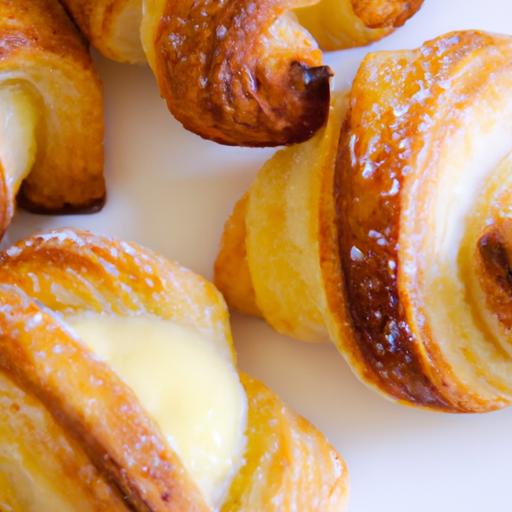
There’s something undeniably enchanting about the delicate, buttery layers of a classic French croissant-a pastry that has become synonymous with morning indulgence and artisanal craftsmanship. But what happens when this beloved breakfast staple meets the vibrant artistry of a tartlet? Enter sweet croissant tartlets, a delightful French pastry twist that combines the flaky richness of croissant dough with the elegant charm of miniature tarts. Thes bite-sized marvels invite pastry lovers on a journey of textures and flavors,where golden layers embrace luscious fillings,from velvety creams to fresh seasonal fruits. In this article, we’ll explore the origins, techniques, and tempting variations of sweet croissant tartlets-revealing why this inventive fusion is capturing the hearts (and taste buds) of dessert aficionados worldwide.
The Art of Crafting Flaky Croissant Dough for Perfect Tartlets
Sweet croissant tartlets owe their irresistible charm to the foundation of expertly crafted flaky croissant dough. Mastering this dough is an art that balances delicate layering, butter’s luscious richness, and patience to yield golden, buttery, and flaky pastries that melt in your mouth.
Begin with cold, high-quality unsalted butter and all-purpose flour, ensuring every ingredient is chilled to maintain dough integrity during lamination. The magic happens as you fold the dough around thin layers of butter, creating hundreds of flaky layers through multiple turns.Each turn requires gentle precision: rolling, folding, chilling-never rushing to let the dough relax and the butter stay firm.
Once the dough is perfectly laminated, it’s rolled out and cut into the dimensions ideal for tartlet molds or mini tart pans. Tender yet crisp, these croissant tartlet shells provide the ideal vessel for a variety of exquisite sweet fillings.
Choosing the Ideal Sweet Fillings to Elevate Your Tartlets
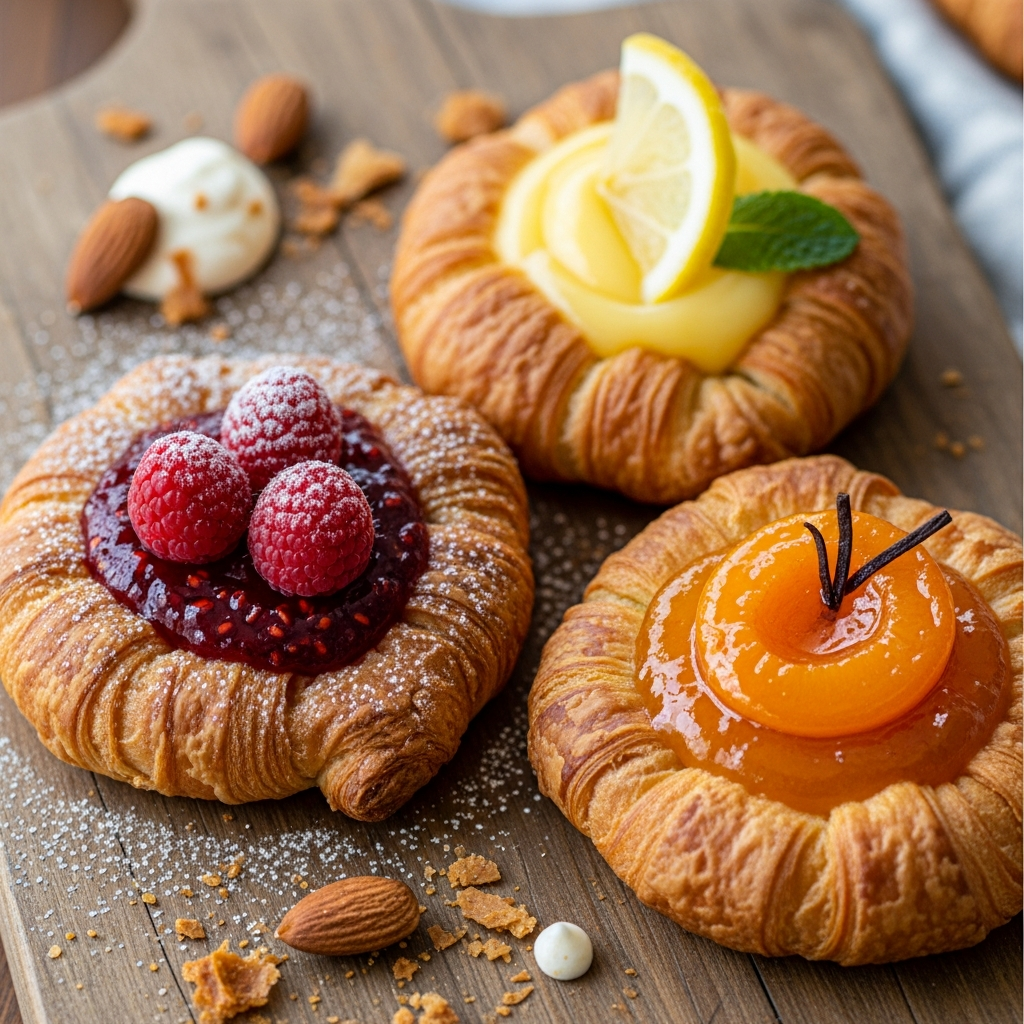
The ultimate enjoyment of sweet croissant tartlets lies in the harmony of their fillings with the flaky crust. Classic choices include pastry cream infused with a hint of vanilla or citrus zest, fresh fruit compotes like raspberry or apricot, and luxurious chocolate ganache for a deep, decadent contrast.
For a sophisticated twist, blend mascarpone with honey and lemon zest, or create a seasonal berry filling with light natural sweetness and a perfect tang. Nut-based fillings, such as almond frangipane, add exquisite texture and flavor dimension without overpowering the buttery crust.
Tips for Baking and Presentation to Impress Your Guests
to achieve the flawless rise and flakiness characteristic of Sweet Croissant Tartlets,preheat your oven thoroughly to a high temperature (around 375°F/190°C). Bake until the shells are a deep golden brown, ensuring the butter layers crisp delightfully underneath.
For an eye-catching presentation, glaze the tartlets lightly with warmed apricot jam to add shine and subtle sweetness after baking. Dust lightly with powdered sugar or cinnamon for a rustic charm. Garnish with fresh mint leaves, edible flowers, or a few vibrant berries to add color and freshness.
Creative Serving Suggestions to Delight Every Palate
Serve these tartlets slightly warm with a scoop of vanilla bean ice cream or a dollop of whipped cream infused with a hint of almond liqueur (non-alcoholic almond extract can substitute). Pair with freshly brewed coffee or a lightly sweetened herbal tea for a cozy yet sophisticated treat.
For brunch or dessert tables, arrange the tartlets atop rustic wooden boards interspersed with fresh fruit slices and small bowls of complementary sauces like caramel or berry coulis. This inviting display encourages your guests to indulge and explore a variety of flavors in a single gathering.
Prep and Cook Time
- Preparation: 3 hours (including chilling and dough resting)
- Cooking: 20-25 minutes
- Total Time: Approximately 3 hours 30 minutes
Yield

- Makes 12 sweet croissant tartlets (3-inch diameter each)
Difficulty Level
- Advanced: Requires patience and precision in dough lamination
Ingredients
- 2 ¼ cups (280g) all-purpose flour, sifted
- 1 tbsp granulated sugar
- 1 tsp fine sea salt
- ½ cup (120ml) whole milk, cold
- 1 tbsp active dry yeast
- 1 large egg
- 1 cup (225g) unsalted butter, cold and cut into thin slabs
- 1 tsp vanilla extract (optional for dough flavor)
Instructions
- Activate the yeast: Warm the milk to around 100°F (38°C) and whisk in the yeast and sugar. Let it stand until frothy, about 10 minutes.
- Prepare the dough: In a large bowl,combine the flour and salt. Add the yeast mixture,egg,and vanilla extract. Mix gently until a shaggy dough forms.
- Knead and chill: Turn the dough onto a floured surface and knead briefly just to bring it together. Shape into a ball, wrap in plastic, and chill for 30 minutes.
- Prepare butter block: Arrange the cold butter slabs between parchment sheets into a 7×7 inch square using a rolling pin. Chill until firm but pliable.
- Laminate: Roll the dough into a 10×10 inch square on lightly floured parchment. place the butter block diagonally in the center. Fold dough corners over the butter to encase it entirely, like an envelope.
- First folds: Roll the dough into a long rectangle (around 20 inches), folding it into thirds like a letter. Wrap and chill for at least 30 minutes.
- Repeat folds: Perform two more letter folds, chilling the dough between each turn. This creates the multiple flaky layers essential for croissants.
- Shape and rest: Roll the laminated dough to ½-inch thickness. Cut into 3-inch circles and gently press into tartlet pans. Chill again for 20 minutes before baking.
- Bake: Preheat oven to 375°F (190°C). Bake the tartlet shells for 20-25 minutes until puffed and golden brown. Let cool before filling.
- Fill and finish: Add your chosen sweet filling (pastry cream,fruit compote,ganache) once shells have fully cooled. Garnish as desired.
Tips for success
- Maintain a cold working environment to prevent butter melting during lamination.
- Use a bench scraper to handle dough and maintain clean folds.
- Chill dough thoroughly between turns to ensure crisp layering.
- For convenience, dough can be prepared a day ahead and frozen before the final bake.
- Customize fillings to suit seasonal fruits or dietary preferences, like dairy-free or vegan creams.
Serving Suggestions
Arrange tartlets on a fine porcelain platter and garnish with a dusting of powdered sugar, fresh raspberries, or edible violets for an elegant look. Serve alongside a lightly brewed lavender tea or a rich dark roast coffee to complement the buttery croissant layers and sweet fillings. For a charming brunch centerpiece, place tartlets on a tiered dessert stand with small bowls of whipped cream and warm fruit sauces.
| Nutrient | Per Tartlet (Approx.) |
|---|---|
| Calories | 280 kcal |
| Protein | 5 g |
| Carbohydrates | 30 g |
| Fat | 15 g |

For further inspiration on flaky pastry techniques, be sure to check out our detailed Ultimate Guide to Croissant Making. For nutritional advice on pastry ingredients, the American Society for Nutrition provides excellent resources.
Q&A
Q&A: Sweet Croissant Tartlets – A Delightful French Pastry Twist
Q1: what exactly are sweet croissant tartlets?
A1: Sweet croissant tartlets are a charming fusion of flaky croissant dough shaped into miniature tart shells, filled with luscious, often fruity or creamy fillings. they marry the buttery, airy layers of a classic croissant with the sweet indulgence of a tart, creating bite-sized delights perfect for any occasion.
Q2: How do croissant tartlets differ from conventional tarts or regular croissants?
A2: Traditional tarts frequently enough feature a firm, crumbly pastry crust, while croissants are famously flaky and layered. Croissant tartlets combine these textures by using croissant dough as the tart base, resulting in a light, buttery foundation that crisps beautifully when baked, offering a unique twist on the classic tart experience.
Q3: What kind of fillings work best for sweet croissant tartlets?
A3: The options are endless! popular choices include vanilla pastry cream topped with fresh berries,almond frangipane for a nutty sweetness,lemon curd for a zesty punch,or even chocolate ganache with a sprinkle of sea salt. The key is to balance rich and tangy elements to complement the buttery pastry.
Q4: Can I make croissant dough at home, or is it better to buy it pre-made?
A4: While homemade croissant dough is a labor of love requiring patience and skill, it yields unparalleled flavor and texture.For those pressed for time, high-quality pre-made croissant dough from specialty stores or certain supermarkets can produce excellent tartlets with considerably less effort.
Q5: Are sweet croissant tartlets suitable for breakfast, dessert, or both?
A5: Absolutely both! Their versatility shines as they can make a delightful breakfast treat paired with morning coffee, or a sophisticated dessert after dinner. Their light texture and sweet fillings make them equally appealing at brunch, afternoon tea, or festive gatherings.
Q6: What’s the secret to getting the croissant tartlet crust perfectly crisp but still tender inside?
A6: The magic lies in balancing baking temperature and time. Generally,a moderately high oven heat (around 375°F or 190°C) lends crispness without burning. pre-baking the croissant shells slightly before adding the filling helps maintain that flaky crunch. Also, brushing the dough with an egg wash adds a golden sheen and extra crispiness.
Q7: Can sweet croissant tartlets be prepared ahead of time?
A7: yes! You can bake the croissant tartlet shells in advance and store them in an airtight container to maintain crispness. Fill them just before serving to keep the pastry from becoming soggy. Alternatively, the finished tartlets can be refrigerated for a day or two, though they’re best enjoyed fresh.
Q8: What creative toppings or garnishes enhance the presentation of sweet croissant tartlets?
A8: Fresh herbs like mint or edible flowers add a pop of color and subtle fragrance. Dusting with powdered sugar, drizzling with honey or caramel, or sprinkling toasted nuts can elevate the tartlets visually and texturally. Seasonal fruits also bring vibrancy and natural sweetness to the plate.
Q9: How do sweet croissant tartlets reflect french baking tradition?
A9: They embody the French spirit of marrying simple, high-quality ingredients with technique and creativity. Using classic croissant dough honors a time-tested pastry art, while the tart format invites playful innovation-a gorgeous homage to French patisserie’s elegance and flavor-focused craftsmanship.
Q10: Where can I find inspiration or recipes to start making sweet croissant tartlets at home?
A10: Explore French culinary blogs, patisserie-inspired cookbooks, and food magazines dedicated to baking. Many passionate bakers share step-by-step guides online, complete with helpful tips and variations. Starting with a basic croissant dough recipe and experimenting with different fillings will lead to delightful, personalized creations!
The Conclusion
In the world of pastries, the sweet croissant tartlet stands out as a charming fusion of flaky French tradition and playful innovation. Each bite delivers the buttery richness of a classic croissant, harmoniously paired with luscious fillings that elevate this treat beyond the ordinary. Whether enjoyed as a morning indulgence or an elegant dessert, these tartlets invite you to experience a delightful twist on a beloved classic-proof that even the most familiar flavors can be reinvented with creativity and passion. So next time you crave a little taste of France, consider these sweet croissant tartlets as your passport to a deliciously new adventure.