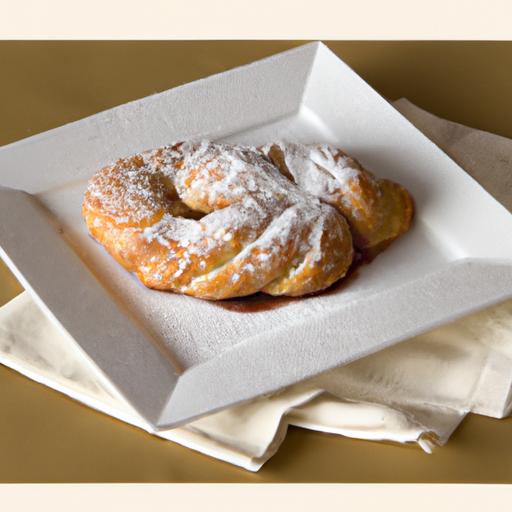
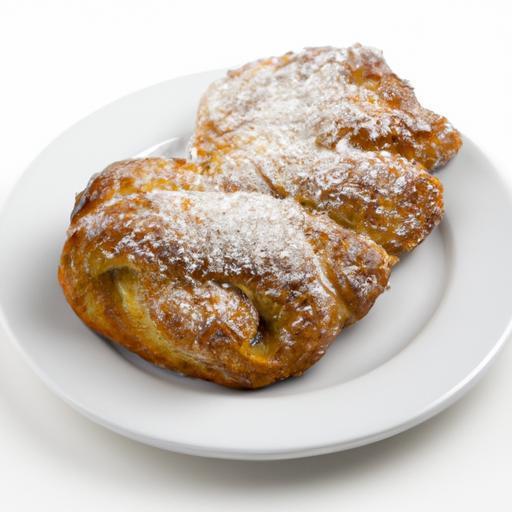
Nestled within the cozy bakeries of Denmark lies a pastry that has captivated taste buds for centuries- the Danish kringle. With its flaky layers, buttery richness, and a symphony of sweet fillings, the kringle is more than just a treat; it’s a beloved cultural icon that tells a story of tradition, craftsmanship, and indulgence. In this article, we invite you to uncover the timeless charm of Danish kringle, exploring its origins, the artistry behind its creation, and why this delicate pastry continues to delight both locals and visitors around the world. Prepare to embark on a flavorful journey that celebrates the heritage and irresistible allure of one of Denmark’s sweetest treasures.
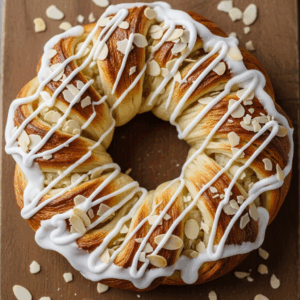
Discover the Timeless Charm of Danish Kringle Pastry Delight invites you on a journey through layers of buttery, flaky dough and sweet, nutty fillings that have brought families together for centuries. Originating from Denmark’s rich baking heritage, this traditional pastry embodies not just a recipe but a story of craftsmanship and celebration. Each golden, ring-shaped kringle carries whispers of Scandinavian kitchens where warmth and skill transformed simple ingredients into an iconic treat.
Prep and Cook Time
- Planning: 45 minutes (plus 1 hour chilling time)
- cooking: 25 minutes
- Total Time: Approximately 2 hours
Yield
Serves 8 generous portions
Difficulty level
Medium – Requires some patience and attention with dough handling but rewarding for all skill levels
Ingredients
- 2 ½ cups all-purpose flour, sifted
- 1 tablespoon granulated sugar
- ½ teaspoon fine sea salt
- 1 tablespoon active dry yeast
- ¾ cup warm whole milk (about 110°F)
- 8 tablespoons unsalted butter, softened
- 1 large egg, beaten
- 1 ½ cups almond paste or marzipan, crumbled
- ½ cup sliced almonds, toasted
- ½ cup granulated sugar
- 1 teaspoon vanilla extract
- 1 teaspoon ground cinnamon
- ¼ cup heavy cream (for brushing)
- 1 cup powdered sugar (for glaze)
- 2 tablespoons fresh lemon juice (for glaze)
Instructions
- Activate the yeast: In a small bowl, stir the yeast into warm milk with a pinch of sugar. Let it sit 5-10 minutes until frothy and bubbly to ensure the yeast is alive.
- Make the dough: In a large mixing bowl, combine flour, sugar, and salt. Add the yeast mixture, softened butter, and beaten egg. Stir until a shaggy dough forms.
- Knead the dough: Transfer dough to a lightly floured surface. knead for 8-10 minutes, until smooth, elastic, and slightly tacky but not sticky. Return to the bowl, cover with a damp cloth, and allow to rise in a warm spot for about 1 hour or until doubled in size.
- Prepare the filling: In a bowl, mix the almond paste, toasted almonds, sugar, vanilla extract, and cinnamon together thoroughly. This fragrant filling is the heart of the kringle.
- Roll out the dough: Gently punch down the risen dough and roll it into a roughly 16 x 10-inch rectangle on a floured surface.
- Assemble the kringle: Spread the almond filling evenly over the dough, leaving a small border. Carefully fold the dough into thirds, like a letter, sealing the edges lightly.
- Shape the kringle: Transfer the folded dough to a parchment-lined baking sheet. Using a sharp knife,make shallow cuts along the top layers,then gently twist the dough segments,forming the classic loop or oval shape.
- Second rise: Cover loosely with a towel and let rise for 30 minutes until slightly puffed.
- Preheat the oven: to 375°F (190°C).
- Brush and bake: Lightly brush the dough with heavy cream for that irresistible golden sheen.Bake for 20-25 minutes or until deep golden brown and fully cooked.
- Glaze: Mix powdered sugar with lemon juice to create a smooth glaze. Drizzle generously over the warm kringle for a delightful tangy-sweet finish.
- Cool and serve: Allow to cool slightly on a wire rack before slicing and sharing.
Tips for Success
- Keep your butter chilled but pliable for easier kneading and better layering in the dough.
- If almond paste is unavailable, substitute with finely ground blanched almonds mixed with honey and a dash of vanilla.
- Don’t rush the dough rising phases. Proper fermentation delivers that signature flaky crumb and rich flavor.
- Toast the almonds lightly before mixing them in to amplify crunch and aroma.
- The glaze should be thin enough to drizzle but thick enough to hold-adjust lemon juice and powdered sugar accordingly.
- Make ahead: Prepare the dough and filling a day in advance,chill overnight,and bake fresh the following day for peak freshness.
Serving suggestions
To fully enjoy the classic Danish kringle’s charm, serve warm with a dusting of powdered sugar or a side of fresh berries. it pairs wonderfully with a rich,aromatic cup of coffee – especially medium-roast brews with chocolate or nutty notes that complement the pastry’s almond sweetness.
For a luxurious treat, accompany slices with a dollop of lightly whipped cream or a smear of fruit preserves like raspberry or apricot. A vibrant sprig of mint on the side adds not only a pop of color but a refreshing counterbalance to the rich filling.

| Nutritional Info | Per Serving |
|---|---|
| Calories | 370 kcal |
| Protein | 7 g |
| Carbohydrates | 45 g |
| Fat | 15 g |
For more baking inspiration,explore our detailed guide on homemade almond pastries. To deepen your understanding of traditional European pastries, this Britannica entry on Kringle is an excellent authoritative resource.
Q&A
Q&A: Discover the Timeless Charm of Danish Kringle Pastry Delight
Q1: What is a Danish Kringle, and why is it so beloved?
A: The Danish Kringle is a beautifully braided, flaky pastry that dates back centuries. Known for its signature oval shape and layered, buttery texture, it captivates with a perfect balance of sweet fillings and crisp exterior. Its timeless charm lies in its artisanal craftsmanship and the comforting nostalgia it evokes in every bite.
Q2: What ingredients make up a traditional Danish Kringle?
A: At its core, a Kringle features delicate layers of buttery dough, often enriched with yeast to achieve a light, airy crumb. The filling can vary-classic options include fragrant cinnamon sugars, luscious almond paste, fresh berries, or fruit preserves. a glaze or drizzle of icing adds the ideal hint of sweetness.
Q3: How does the shaping of a Kringle set it apart from other pastries?
A: Unlike typical rolls or loaves, the Kringle’s defining feature is its intricate shape-an elongated oval or figure-eight formed by expertly folding and braiding the dough. This technique not only creates a visually stunning pastry but also ensures a harmonious distribution of filling, making each slice a perfect combination of texture and flavor.Q4: Can the Danish kringle be enjoyed year-round, or is it tied to a specific season?
A: While kringles are often associated with festive occasions and holidays, their delightful taste and versatility make them a treat any time of year. Whether enjoyed as a comforting breakfast, an afternoon indulgence with tea, or a centerpiece dessert at gatherings, the Kringle’s appeal never fades.Q5: Are there variations of the Kringle beyond the traditional Danish recipe?
A: Absolutely! Around the world,this pastry has inspired endless creativity. Some bakers incorporate nuts like almonds or pecans for added crunch, while others experiment with fillings such as cream cheese and fruit compotes. however, the essence of the Kringle remains the same-a tender, flaky dough wrapped lovingly around a sweet filling, baked to golden perfection.
Q6: What’s the best way to serve and enjoy a Danish Kringle?
A: Freshly baked and slightly warm is ideal to appreciate the flaky layers and aromatic fillings fully. Pair it with a cup of coffee or a soothing herbal tea to enhance the experience. Kringle slices can also be shared during brunch or festive occasions, turning simple moments into memorable gatherings.Q7: Is making a kringle at home a difficult task for a novice baker?
A: While the folding and braiding require some practice, many home bakers find the process rewarding. Using quality butter and fresh ingredients is key, and beginning with simpler fillings like cinnamon sugar can build confidence. With patience and care, anyone can create their own slice of danish pastry art!
In Retrospect
As the buttery layers of a Danish kringle melt effortlessly on your tongue, you’re not just savoring a pastry-you’re experiencing a slice of history, culture, and craftsmanship baked to perfection. Whether enjoyed with morning coffee or as an indulgent afternoon treat, the timeless charm of the kringle continues to captivate taste buds around the world. So next time you seek a tasty journey through tradition and flavor, let the Danish kringle be your guide-a delectable reminder that some delights truly never go out of style.