
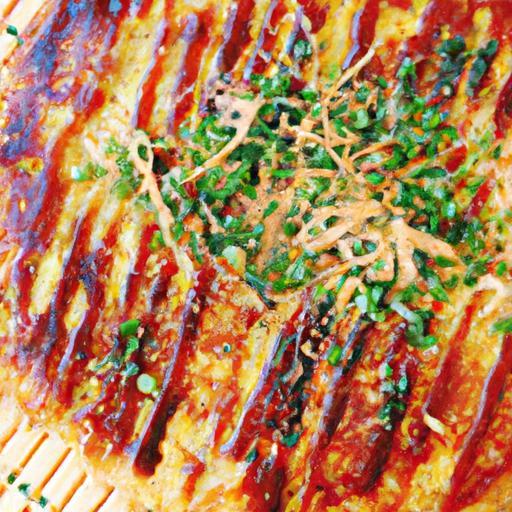
In the vibrant culinary tapestry of Japan, okonomiyaki stands out as a beloved comfort food-an irresistible savory pancake layered with a symphony of flavors and textures. While traditionally crowned with pork, a growing number of variations celebrate the versatility of this dish, proving that you don’t need meat to capture its hearty spirit. Enter the world of savory okonomiyaki, Japan’s pork-free pancake delight, where fresh ingredients, bold seasonings, and sizzling techniques come together to create a mouthwatering experience that honors tradition while embracing creativity and inclusivity. Whether you’re a vegetarian, avoiding pork, or simply curious to explore a new twist on a classic, this flavorful journey into okonomiyaki promises to satisfy your appetite and expand your culinary horizons.
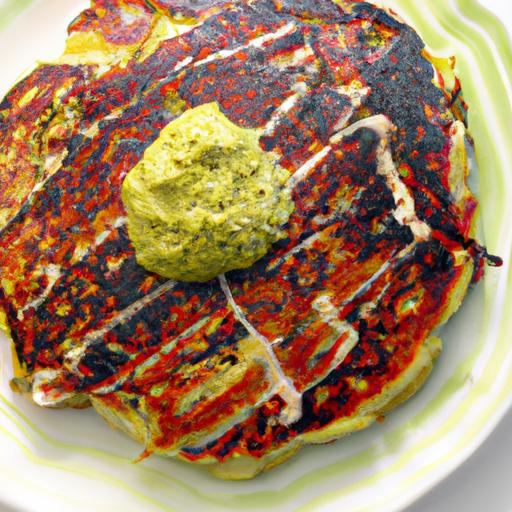
Savory Okonomiyaki offers a delectable glimpse into Japan’s culinary artistry, transforming humble ingredients into a harmonious, savory pancake bursting with umami and texture. This pork-free variation remains as satisfying and rich as the classic,embracing vibrant vegetables,flavorful proteins,and a tangy sauce that’s nothing short of addictive. Originating in Osaka,okonomiyaki is often called “Japanese savory pancake,” but it’s much more than that – it’s a customizable experience that tells the story of regional flavors and home-cooked comfort.
Prep and Cook Time
- Preparation: 20 minutes
- Cooking: 15 minutes per pancake
- Total Time: 35 minutes
Yield
serves 4 hearty portions
Difficulty Level
Medium – perfect for adventurous home cooks eager to master a classic Japanese dish
Key ingredients That Bring Savory Depth to Pork-Free variations
- All-purpose flour – the foundation of a tender batter
- Dashi stock powder (vegetarian or kombu-based) – imparts that quintessential umami depth without any animal products
- Cabbage (finely shredded) – provides delightful crunch and moisture
- Green onions – for fresh, sharp notes
- Tempura bits (tenkasu) – add crisp texture that’s truly irresistible
- Firm tofu or shiitake mushrooms – excellent pork substitutes loaded with savory character
- Okonomiyaki sauce – a thick, tangy-sweet glaze that brings everything together
- Japanese mayonnaise (such as Kewpie) – creamy contrast with a slight vinegar kick
- Bonito flakes (optional) – omit for vegan or strictly pork-free diets, or substitute with seaweed flakes for oceanic savor
- Pickled ginger (beni shoga) – adds vibrant color and a zesty bite
Step-by-Step Guide to Crafting the Perfect Pork-Free Okonomiyaki
- Prepare the batter: In a large mixing bowl, combine 1 cup of all-purpose flour with 3/4 cup of water and 1 teaspoon of kombu dashi powder. Whisk until smooth and thick but pourable.
- Add the vegetables and mix-ins: Fold in 2 cups finely shredded cabbage, 3 sliced green onions, 1/4 cup tempura bits (tenkasu), and 100g crumbled firm tofu or thinly sliced shiitake mushrooms.
- Heat the pan: warm a large non-stick skillet or cast-iron griddle over medium heat and brush with a thin layer of vegetable oil to prevent sticking.
- Cook the pancake: Ladle about 1 cup of the batter mixture onto the skillet, gently shaping it into an 8-inch circle.Cook until the bottom turns golden brown and firm, about 5-6 minutes.
- Flip with confidence: Using a wide spatula, carefully turn the okonomiyaki over.Press gently and cook for another 5 minutes until both sides are golden and the center is cooked through.
- Plate and garnish: Transfer to a serving plate. Immediately brush the surface generously with okonomiyaki sauce, drizzle with Japanese mayonnaise in a zigzag pattern, and sprinkle with pickled ginger and seaweed flakes or bonito flakes if using.
Chef’s Notes: Tips for Success
- Customize your fillings: Try adding grated carrots, corn kernels, or edamame for color and nutrition.
- Use a lid: Cover the skillet while cooking to ensure the pancake cooks evenly without drying out.
- Texture balance: The batter should be slightly thick but still pourable. Adjust with a splash of water if too dense.
- Make-ahead tip: Prep the batter and chopped veg ahead of time, but cook pancakes fresh for the best texture.
- Go vegan: Substitute mayo with vegan mayo and skip bonito flakes to keep it plant-based.
Top Regional Twists and Serving Suggestions for a Unique Experience
Different parts of Japan put their own spin on okonomiyaki, and you can too! Try these ideas to elevate your pork-free creation:
- Hiroshima style: Layer the batter thinly and pile on bean sprouts, cabbage, and soba noodles before flipping for a complex, noodle-packed texture.
- Kansai classic: Mix all ingredients in the batter for a homogenous, fluffy pancake experience.
- Seaside flair: Add tender chunks of grilled squid or shrimp,paired with a dusting of aonori seaweed.
- Garnishes: Top with katsuobushi or substitute shredded nori flakes, a sprinkle of sesame seeds, and fresh scallions. A side of pickled daikon radish (takuan) brightens the plate.
- Accompaniments: serve alongside chilled green tea or a refreshing yuzu soda to balance the richness.
| nutrient | Per Serving |
|---|---|
| Calories | 350 kcal |
| Protein | 12 g |
| Carbohydrates | 45 g |
| Fat | 10 g |

For a deeper dive into Japanese seasonings and sauces that perfectly complement your savory okonomiyaki, check out our detailed guide on Japanese sauces. For authoritative cultural context, visit the Japan Guide on Okonomiyaki.
Q&A
Q: What exactly is okonomiyaki and why is it so beloved in japan?
A: Okonomiyaki is a savory Japanese pancake that’s more like a customizable flavor canvas than your average breakfast flapjack. Made from a batter of flour,eggs,shredded cabbage,and a variety of mix-ins,it’s fiercely popular as it’s both hearty and highly adaptable-letting each cook add their own twist to this comforting street-food staple.Q: How does a pork-free version of okonomiyaki stay flavorful and satisfying?
A: Skipping pork doesn’t mean sacrificing flavor! Instead, the magic comes from umami-rich ingredients like shiitake mushrooms, crunchy tempura bits (tenkasu), green onions, and a generous drizzle of okonomiyaki sauce-a tangy, slightly sweet glaze. Toppings like bonito flakes, pickled ginger, or a swirl of creamy Japanese mayo add layers of taste and texture, making each bite a symphony of savory goodness.
Q: What are some creative ingredients to enhance a pork-free okonomiyaki?
A: Think vibrant veggies like corn kernels, grated carrot, or daikon radish for freshness. Earthy mushrooms (enoki, maitake, or oyster) bring depth, while tofu cubes add a subtle creaminess and protein boost. For an extra crunch, sprinkle toasted sesame seeds or crushed nori sheets on top. The beauty of okonomiyaki is that it invites experimentation-so embrace your pantry’s treasures!
Q: Can okonomiyaki be enjoyed by people with dietary restrictions?
A: Absolutely! Okonomiyaki is naturally vegetarian-pleasant if you avoid fish-based toppings like bonito flakes and dashi stock, and it can be easily adapted for gluten-free diets by swapping out standard flour for a gluten-free blend. Vegan versions thrive too, replacing eggs with flaxseed or chickpea flour batter and using plant-based sauces, making this pancake delight a dinner party crowd-pleaser no matter your lifestyle.
Q: What’s the best way to cook okonomiyaki at home?
A: Channel your inner street-food chef by using a flat griddle or heavy skillet over medium heat. Pour your mixed batter into a round pancake shape, cook until the bottom is golden and set, then flip carefully to cook the other side. Patience is key-slow and steady ensures a tender inside with a perfectly crisp exterior. Serve hot, topped generously, and enjoy the sizzling sounds that make okonomiyaki a feast for all senses!
Q: How does the cultural context of okonomiyaki influence its preparation and enjoyment?
A: Okonomiyaki translates to “grilled as you like it,” and that freedom is part of its cultural charm. In Japan, it’s often a communal meal-family and friends gather around a shared griddle, flipping pancakes and layering toppings together. This interactive cooking experience turns a simple dish into a party of connection, creativity, and comfort. Pork-free or not, it’s the joy of customizing and sharing that truly makes okonomiyaki a beloved treasure.
Final Thoughts
As the final sizzle of the griddle fades and the last bite of okonomiyaki melts on your tongue, it’s clear that Japan’s savory pancake is much more than just a dish-it’s a celebration of culinary creativity and cultural tradition, all without a trace of pork. Whether you’re a seasoned foodie or a curious newcomer, savoring okonomiyaki offers a flavorful invitation to explore the rich tapestry of Japanese flavors in a uniquely customizable, pork-free form. So next time you seek a meal that’s both hearty and harmonious, remember this versatile, pancake-shaped treasure-because sometimes, the best flavors come from thinking outside the pork.